
Lombardia · Brescia · Italy
Brescia
This Italian town is characterized by its historical architecture, robust economy, local cuisine, outdoor pursuits, and cultural attractions.
At a glance
About Brescia
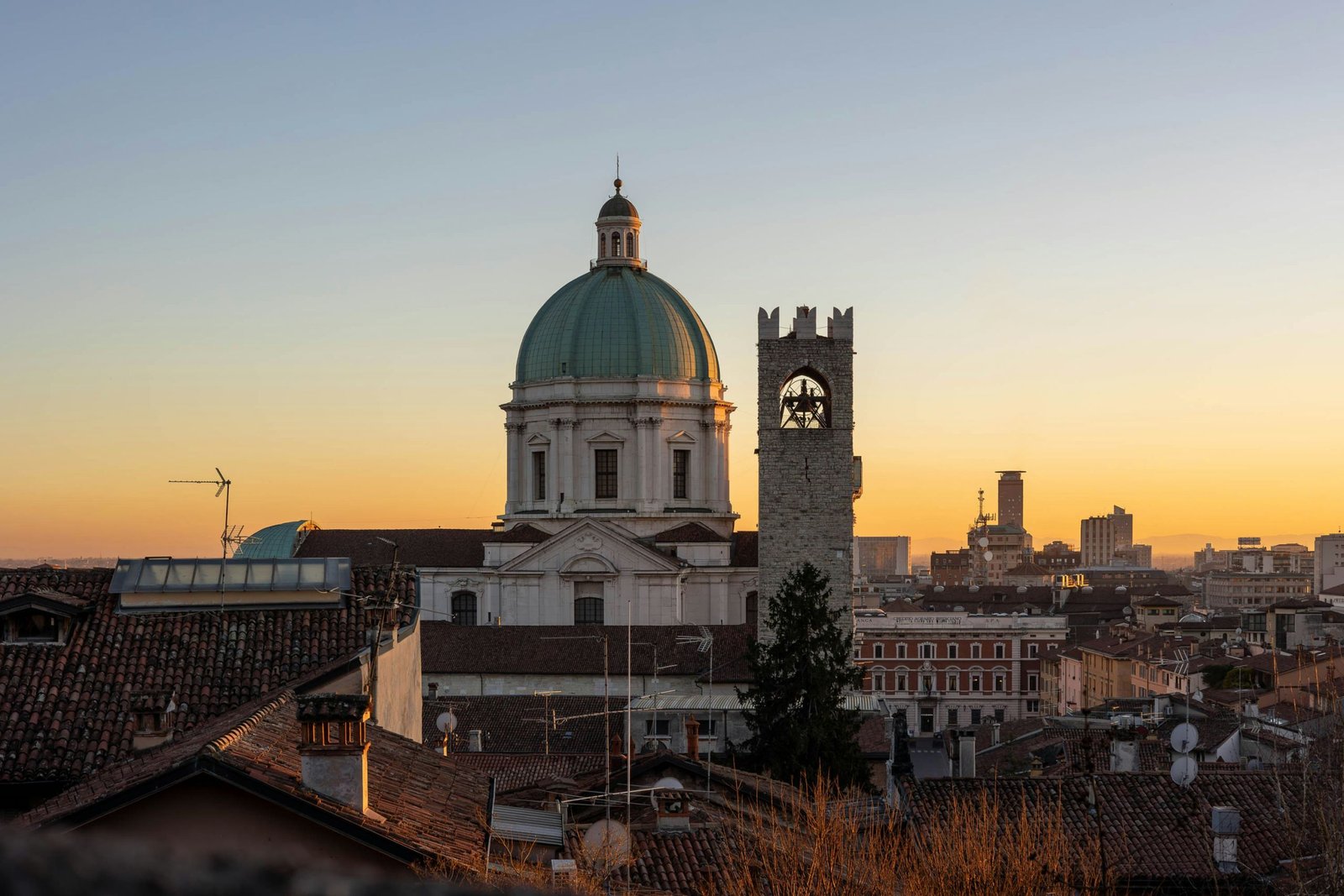
Brescia, nestled in the Lombardy region, is distinguished for its combination of historical significance and modern appeal, making it a desirable destination for expats and retirees. The city showcases remarkable medieval architecture, such as the Duomo and Palazzo Pubblico, alongside vibrant cultural institutions like theaters and art galleries. Its strong economy flourishes in areas such as metalworking, machinery manufacturing, and renewable energy, creating career opportunities for skilled individuals. The local culinary scene is highlighted by specialties like Franciacorta sparkling wine and a variety of traditional cheeses, while the surrounding countryside invites outdoor activities.
However, expats may experience difficulties, including language barriers and a bureaucratic system that can be challenging. Additionally, while Brescia’s healthcare and education systems are highly rated, the nightlife is less lively than in larger Lombard cities. Despite these aspects, Brescia’s rich traditions, such as the Mille Miglia race, along with a welcoming community, foster a rewarding living atmosphere.
✓ Pros for expats
– High-quality healthcare services available for residents and expats.
– Well-connected transportation network facilitates easy travel within Italy.
– Vibrant cultural and historical scene enriching daily life experience.
– Mild climate ideal for outdoor activities and year-round living.
– Low unemployment rate promotes economic stability and job opportunities.
– Opportunities for integration into local community and culture.
– Good air quality contributes to a healthier living environment.
– Reliable internet connectivity supports remote work and communication.
– Quality educational facilities catering to various age groups.
– Proximity to scenic attractions enhances recreational options.
! Things to consider
– Limited nightlife options may disappoint night owls and party-goers.
– Language barrier could hinder social interactions for newcomers.
– Higher cost of living compared to other Italian towns.
– Public services can be slower than expected at times.
– Traffic congestion may frustrate daily commuters during peak hours.
– Weather can be humid, especially during hot summer months.
– Some areas may feel less tourist-friendly than major cities.
– Limited expat community support compared to larger cities.
– Local cuisine may not cater to all international tastes.
– Occasional air pollution issues despite generally good air quality.
Where is Brescia
Getting there
Brescia is conveniently linked with accessible routes to Montichiari airport and Orio al Serio airport, both within a 31-minute drive. The town benefits from two nearby train stations, enhancing its rail connectivity. Important road connections include the A4 motorway, which facilitates travel to Milan and Verona.
Housing & cost of living
Estimated cost of an 80 m² home: €206,320
Housing availability: High
Cost of living
Brescia presents an appealing mix of affordability and economic prospects. With a low unemployment rate and a growing industrial sector, residents can anticipate reasonable job stability. Housing prices, though increasing, remain manageable compared to larger cities, supporting a comfortable lifestyle. Everyday expenses and utility costs are moderate, making budgeting easier for both families and individuals. Overall, Brescia is viewed favorably by potential expats, offering a quality living experience amid positive economic conditions.
Climate & weather
Below Average (31st-40th percentile)
Average (41st-50th percentile)
Above Average (51st-60th percentile)
Average (41st-50th percentile)
Brescia enjoys a distinct climate with clearly defined seasons, making it ideal for Italy Move readers who value natural diversity without harsh extremes. The city typically experiences sunny weather throughout much of the year, which positively influences outdoor activities favored by retirees and expatriates. Winters are mild, rarely allowing snow to accumulate, which facilitates seamless exploration of the historic urban landscape. Summers present warm, yet not oppressive days, perfect for outdoor dining and enjoying the lush surrounding vineyards. With gentle yearly temperature fluctuations, Brescia’s climate supports a comfortable lifestyle, enhanced by sufficient rainfall to nourish its verdant scenery and agricultural bounty.
Air quality & environment
Air quality rating: ★★★★★
In Brescia, the air composition maintains a balance that is generally satisfactory for individuals sensitive to environmental quality. The city exhibits air quality that, while not pristine, typically supports comfortable daily living. Particulate matter levels, including PM10 and PM2.5, remain at acceptable standards conducive to a good quality of life. Nitrogen dioxide and sulfur dioxide, which can be problematic in urban areas, are notably low, reflecting effective local measures against pollution. Ozone levels are moderate, which may require caution during certain high-emission periods, but do not significantly detract from the overall air quality. In the context of Brescia's environmental landscape, the air quality aligns well with healthy living standards. Fine particles in the atmosphere, which can penetrate deep into the respiratory system, are present at levels that many would find acceptable, especially when compared to more industrialized regions. This is complemented by low concentrations of nitrogen and sulfur dioxides,common irritants in many urban environments,resulting in fewer occurrences of acid rain and smog-related problems. Ozone levels are moderate; this is a consideration for outdoor enthusiasts particularly sensitive to the gas. Overall, Brescia’s air supports an active and fulfilling expatriate lifestyle without significant compromises on health. Air quality in Brescia meets a standard that is generally favorable for long-term residents and sensitive demographics. The presence of particulate matter like PM10 and PM2.5, while present, does not usually reach levels of major concern, allowing for regular outdoor activities without undue worry. Similarly, nitrogen dioxide and sulfur dioxide,common pollution indicators,are kept at reassuringly low levels due to effective regulatory practices. Ozone levels remain balanced; necessary awareness for certain vulnerable groups, but overall conducive to typical urban living. Such conditions establish Brescia as an appealing choice for individuals prioritizing environmental health in their living circumstances.
Healthcare & safety
Road accidents: 8.0 per 10k inhabitants.
ATS Brescia oversees the Brescia province , the city, the western shore of Lake Garda, the Franciacorta wine region, and the Val Camonica. Its composite score of 45/100 places it in the lower third nationally. Community care (34) is the main shortcoming , high avoidable hospitalization rates and weaker postpartum follow-up compared to the regional standard. Hospital care is adequate, and lung cancer surgery is notably strong. Residents in the Brescia area around Lake Garda and throughout the province should consider private coverage for elective procedures a prudent choice.
Internet & connectivity
Transport & proximity
✈️ Airports
| Airport | Drive | Score |
|---|---|---|
| Montichiari (Brescia) | 20 min | 3 |
| Orio al Serio (Bergamo) | 31 min | 7 |
| Valerio Catullo (Verona) | 38 min | 7 |
🚂 Rail stations
| Station | Drive | Score |
|---|---|---|
| Brescia | 4 min | 10 |
| Brescia Borgo San Giovanni | 8 min | 8 |
| San Zeno-Folzano | 11 min | 7 |
What's nearby
Life in Brescia
Neighbourhoods
– Brescia Antica, part of the central area, is recognized for its historical importance within the city’s administrative layout.
– Borgo Trento is located in the northern part, contributing to Brescia’s varied cultural and civic landscape.
– The Centro Storico Nord is a central area crucial for its combination of daily life and historical architecture.
– Mompiano, found in the northern section, is an essential part of the city’s expanding residential neighborhoods.
– San Polo Case, part of the development that began in 2014, exemplifies modern urban planning in the eastern area.
Local cuisine
Brescia, found in the Lombardy region of Italy, features a vibrant culinary culture acknowledged as the European Region of Gastronomy in 2017. The local dishes include traditional favorites like ‘casonsei’, a stuffed pasta with meat filling, and ‘risotto allo Franciacorta e caviale’, which pairs the region’s famed Franciacorta sparkling wine with caviar. Fresh fish from nearby lakes, such as trout and perch, frequently appears on menus, along with various local cheeses like Bagòss and Grana Padano. Brescia is also celebrated for its exceptional olive oils and produces an array of wines, including 10 DOCG and DOC varieties, with Franciacorta standing out. The Slow Food movement’s presence emphasizes the connection to local produce and the respect for traditional food practices. The culinary landscape is further enriched by several dining establishments, including at least one Michelin-starred restaurant, elevating Brescia’s reputation as a gastronomic destination.
Where to shop
The shopping scene in Brescia presents a mix of modern and traditional elements. In addition to large shopping centers, including outlet villages, there are pedestrian-friendly streets featuring well-known retailers and local shops. Weekly markets provide fresh produce and regional products, while the antiques market adds a unique touch, operating on a monthly basis. Areas with vibrant nightlife enhance the overall atmosphere. Overall, the diversity caters to various shopping preferences, from luxury to local finds, within a compact urban environment.
Green areas & parks
Brescia, located in Lombardy, provides numerous outdoor activities and trails suited for nature lovers and retirees. Parco delle Colline di Brescia offers various challenging hikes, including the Corna Trentapassi – Passo Croce Loop and Monte Guglielmo via Cislano. For those seeking trails of moderate difficulty, the Bresciana Valley – Campiani – Sanctuary of the Star features a 7.2-mile route. Meanwhile, Monte Maddalena can be reached via several paths, such as the Porta Venezia trail and the Signora delle Nevi pathway. These locations offer varying levels of difficulty and picturesque views of the surrounding Lombard countryside.
Education
People & tourism
Annual tourists (2023): 341,626