
Lazio · Roma · Italy
Roma
Historic city featuring ancient ruins, high walkability, reliable healthcare, bustling markets, and culinary traditions.
At a glance
About Roma
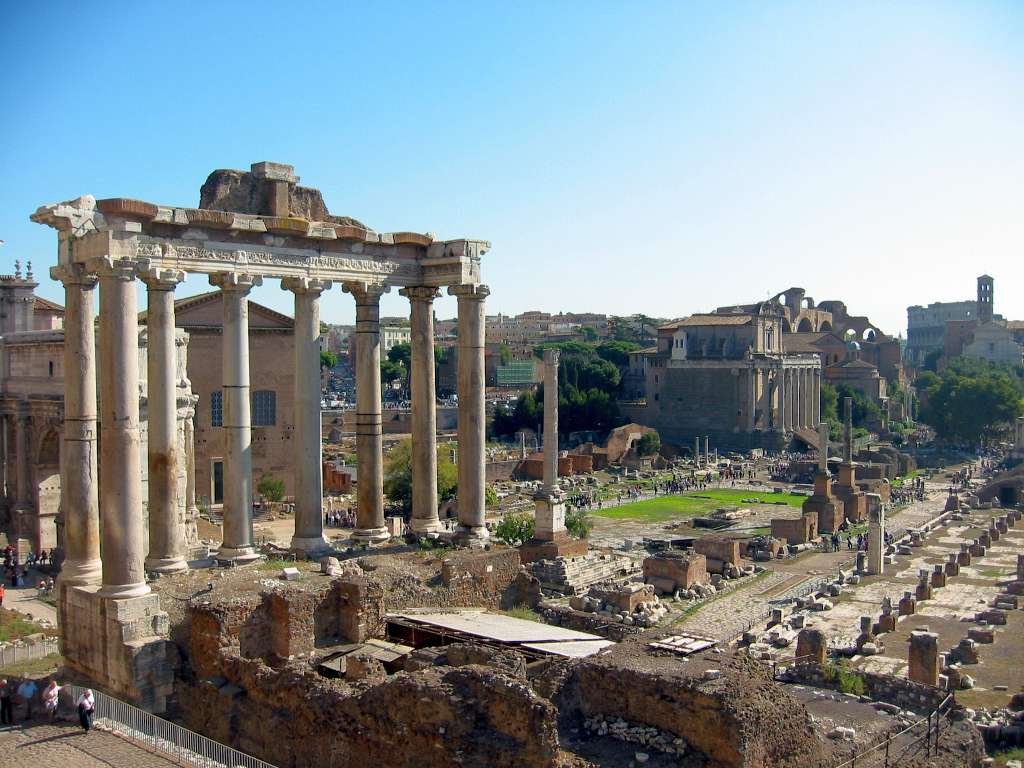
Rome, the capital city of Italy and a key center in Lazio, is a lively metropolis rich in history and culture. Its ancient landmarks, including the Colosseum and the Roman Forum, attract millions of tourists annually and serve as evidence of its illustrious past. For expats and retirees, the city boasts a high walkability score, allowing easy exploration of its delightful neighborhoods, each offering a unique atmosphere, from the artistic Trastevere to the upscale Spanish Steps area. While Rome’s healthcare system is well-rated, expats might face challenges with bureaucracy and language barriers. Additionally, while the nearby beaches provide recreational options, they are just a short drive away and require some planning. The air quality is quite favorable, contributing to a comfortable living experience. Rome’s diverse culinary heritage and vibrant markets enhance its charm, making it an attractive option for those seeking cultural engagement and city conveniences.
✓ Pros for expats
– High-quality healthcare services available throughout the city.
– Efficient public transport system connecting various districts.
– Rich cultural and historical heritage to discover and appreciate.
– Enjoyable Mediterranean climate with mild winters and warm summers.
– Varied local cuisine providing numerous dining options.
– Strong expat community facilitating integration and social connections.
– Good internet connectivity for remote work and communication.
– Vibrant arts scene featuring museums, theaters, and galleries.
– Educational institutions offering a wide range of learning opportunities.
– Access to beautiful parks and recreational areas for relaxation.
! Things to consider
– Air quality may not be suitable for those with sensitive respiratory conditions.
– Tourist crowds can overwhelm popular attractions and neighborhoods.
– High living costs may significantly impact retirement budgets.
– Traffic congestion can be frustrating, particularly during peak hours.
– Bureaucratic processes may be slow and involve considerable red tape.
– Summer heat can be intense, leading to discomfort.
– Public services may sometimes prove unreliable or inconsistent.
– Certain neighborhoods might feel less safe at night.
– Limited shopping hours could hinder spontaneous retail therapy.
– Noise from traffic and nightlife can be intrusive at times.
Where is Roma
Getting there
Rome in Lazio enjoys strong connectivity. The city is accessible via major roadways, including the A1 motorway and the Rome ring road. Leonardo da Vinci Airport (Fiumicino) serves as the main international gateway, while Ciampino Airport offers additional alternatives. Two nearby train stations further enhance regional transport connections, achieving a score of 7 out of 10 for connectivity.
Housing & cost of living
Estimated cost of an 80 m² home: €274,400
Housing availability: High
Cost of living
Rome provides a vibrant lifestyle supported by a strong economic foundation, evident in its low unemployment rate compared to national averages and a solid economic rating. While housing can be expensive, with rental prices for one-bedroom apartments averaging around €2,000, the overall cost of living remains manageable, necessitating a consistent monthly income for comfort. Dining and grocery expenses are relatively affordable, making it feasible for investors and expats. Despite challenges with affordability, Rome’s economic vitality positively influences the living experience.
Climate & weather
Exceptional (Top 10%)
Low (11th-20th percentile)
Somewhat Low (21st-30th percentile)
Exceptional (Top 10%)
Rome, Italy, enjoys a climate that combines mild winters with significantly warm summers, making it an excellent location for year-round living. Although there is a slight amount of snowfall annually, the city generally avoids severe winter weather, maintaining a temperate climate with abundant sunshine throughout the year. Rainfall is evenly distributed, supporting lush vegetation without the extremes of flooding or drought. The typical temperature range allows for comfortable living and leisurely exploration of the city’s numerous historical attractions. This climatic combination is ideal for retirees and expats, providing a stable and pleasant environment to call home.
Air quality & environment
Air quality rating: ★★★★★
In Rome, Italy, the air quality generally presents a favorable situation for those considering relocation or extended stays. The levels of particulate matter, both PM10 and PM2.5, remain within a range that ensures a breathable atmosphere, with PM10 specifically rated as Good. Further reassurance comes from the low levels of nitrogen dioxide and sulphur dioxide, which have minimal impact on overall air quality. Ozone levels are moderate, requiring periodic attention but not immediate concern. This balance provides a comfortable environment for residents and visitors, ideal for enjoying and exploring the historic city.
Healthcare & safety
Road accidents: 40.0 per 10k inhabitants.
ASL Roma 1 encompasses central Rome, the historic center, Prati, Trastevere, the Vatican area, EUR-area municipalities, the Pigneto, and Centocelle. Its composite rating stands at 50/100, slightly above the median. Emergency response services score well at 62, while community care at 39 reflects the well-documented challenges of managing primary care in a city center with a transient population. For residents, this ASL offers the best access to hospital and acute care in Rome, though it falls short for chronic disease management.
Internet & connectivity
Transport & proximity
✈️ Airports
| Airport | Drive | Score |
|---|---|---|
| Leonardo da Vinci (Rome Fiumicino) | 22 min | 10 |
| Ciampino (Rome) | 27 min | 4 |
| Perugia-San Francesco d'Assisi (Perugia) | 92 min | 5 |
🚂 Rail stations
| Station | Drive | Score |
|---|---|---|
| Roma Termini | 19 min | 10 |
| Roma Tiburtina | 22 min | 10 |
| Roma San Pietro | 6 min | 9 |
What's nearby
Life in Roma
Neighbourhoods
– Flaminio is recognized for its cultural institutions, including the National Gallery of Modern Art and the Auditorium Parco della Musica.
– Parioli, primarily a residential district, features several embassies and luxury villas.
– Pinciano is home to the Borghese Gallery, one of the most significant art galleries in Rome.
– Salario is adjacent to Villa Ada, a large public park favored for outdoor activities.
– Nomentano is known for La Sapienza University, one of Europe’s largest universities.
– Tiburtino, an area with industrial roots, now showcases various artistic and cultural venues.
– Prenestino-Labicano is a diverse district recognized for its abundant street art and historical sites.
– Tuscolano provides ample shopping options and excellent connections via metro lines A and C.
– Appio-Latino features ancient roads and the Catacombs of San Callisto, a significant archaeological site.
– Ostiense is a vibrant area combining restaurants, nightlife, and the iconic Basilica of St Paul Outside the Walls.
– Gianicolense encompasses the neighborhood of Monteverde, known for its beautiful views and green spaces.
– Aurelio is located near Vatican City, offering views of St Peter’s Basilica and various diplomatic residences.
– Trionfale showcases a blend of modern and historical architecture and is close to the Vatican Museums.
– Della Vittoria, situated near the famous Foro Italico sports complex, offers various fitness and sports opportunities.
Local cuisine
Rome’s culinary landscape vividly showcases its rich history and cultural influences. Traditional Roman cuisine, characterized by simplicity and high-quality ingredients, includes iconic dishes like Pasta alla Carbonara, Cacio e Pepe, and Bucatini all’Amatriciana. Other local favorites feature Gnocchi alla Romana, Porchetta di Ariccia, and Roman artichokes. The dining scene is diverse, with numerous eateries ranging from casual trattorias to fine dining establishments. Renowned Michelin-starred restaurants such as La Pergola, Imàgo, and Aroma highlight refined Italian gastronomy, elevating classic flavors. Additionally, international influences enrich the culinary scene, providing a global dining experience alongside local specialties.
Where to shop
The city presents a diverse shopping landscape, showcasing high-end fashion boutiques, trendy retail chains, and vintage shops. Notable shopping centers include a significant department store. Markets vary from weekly flea markets to local artisan stores, catering to a wide range of tastes and budgets. Areas such as Monti and the Spanish Steps feature niche boutiques and independent designer studios, while major thoroughfares offer a mix of luxury and contemporary brands. This variety ensures a comprehensive shopping experience that accommodates different tastes and lifestyles.
Green areas & parks
Within the Lazio region, Rome features several well-known parks and trails ideal for outdoor activities. Key green spaces include the Parco Regionale Appia Antica, famous for its extensive archaeological paths, and the Castelli Romani Regional Park, perfect for hiking through wooded areas. Hiking enthusiasts can explore trails such as Monte Catillo via Tivoli and the historic Appian Way. Additionally, the Bracciano – Martignano Regional Park offers a peaceful setting for lakeside activities. These locations cater to expats and retirees seeking both cultural and natural experiences.
Education
People & tourism
Annual tourists (2023): 8,931,069