
Puglia · Bari · Italy
Alberobello
This Puglia town, known for its UNESCO-listed trulli, has limited job prospects and healthcare accessibility.
At a glance
About Alberobello
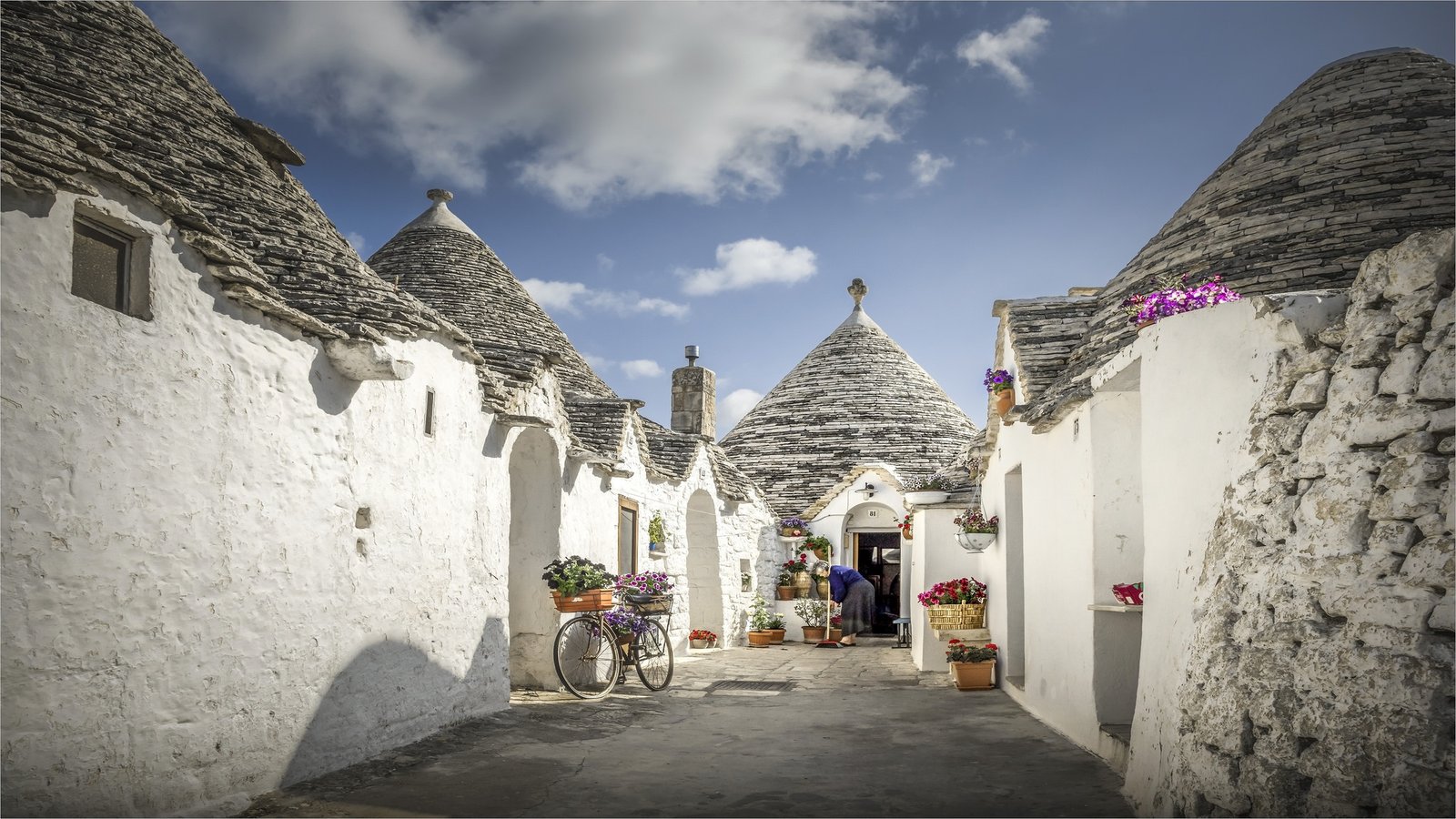
Alberobello, situated in the heart of Puglia, is renowned for its distinctive trulli, cone-shaped stone homes recognized as a UNESCO World Heritage site. With a population of roughly 10,200, it has over 1,500 of these structures, mainly found in the Rione Monti and Aia Piccola districts. Major attractions include the two-storey Sovereign Trullo and the Museo del Territorio, which showcases local history. The town has a vibrant culture with local festivals celebrating traditional customs, including culinary highlights like orecchiette and bombette.
However, expats may face challenges such as limited job opportunities and a slower lifestyle, worsened by the region’s relative isolation. While healthcare options are present, they tend to rank lower in terms of accessibility and quality. Additionally, the language barrier can make community integration difficult, and older homes may require renovations. Accessing amenities can be inconvenient due to less efficient public transport options.
✓ Pros for expats
– A rich cultural and historical backdrop to explore daily.
– Mild climate featuring warm summers and gentle winters.
– Opportunities for integration within a friendly local community.
– Moderate tourism boosting the local economy and vibrancy.
– Access to healthcare services, though there is room for improvement.
– Good air quality supporting a healthier lifestyle.
– Affordable cost of living compared to larger Italian cities.
– Limited but functional transportation options within and outside the town.
– Unique trulli architecture enhances the charming living environment.
– Local markets offer fresh produce and authentic flavors.
! Things to consider
– Healthcare services may sometimes lack quality and efficiency.
– Limited transportation options can affect mobility and accessibility.
– Internet connectivity is poor, with slow download speeds.
– Educational facilities may not fully meet expatriate expectations.
– Economic opportunities are limited, especially for high-paying jobs.
– Local unemployment slightly exceeds the national average.
– Infrastructure development is lacking and can be frustrating.
– Seasonal influx of tourists can disrupt daily life and routines.
– Weather can be hot and humid during the summer months.
– Limited recreational activities beyond cultural exploration.
Where is Alberobello
Getting there
Alberobello is reachable via the SS 172 and SS 100 roads, enhancing its connectivity within the region. The closest airports are Brindisi and Bari, both a short drive away. Local train stations offer limited service, with moderate connectivity scores reflecting a varied transport infrastructure.
Housing & cost of living
Estimated cost of an 80 m² home: €106,640
Housing availability: Low
Cost of living
Alberobello presents a unique combination of affordability and charm, making it an attractive option for expats and investors. The cost of living is generally low, with housing options and everyday expenses like groceries and transportation remaining manageable. Despite a median property price that is slightly higher than some nearby towns, the overall economic stability supports a decent quality of life. Although local income levels indicate modest financial prospects, the town’s welcoming atmosphere and cultural richness are appealing for those seeking a balance of lifestyle and costs.
Climate & weather
Very High (81st-90th percentile)
Low (11th-20th percentile)
Very Low (Bottom 10%)
Very High (81st-90th percentile)
Alberobello, with its iconic trulli houses, offers a climate well-suited for those seeking a balance of warm summers and mild winters. The town is graced with abundant sunshine throughout the year, facilitating outdoor activities and leisure for retirees and expats alike. Winters see a light touch of snowfall, adding a whimsical aspect to the landscape without causing significant disruptions. Summers are pleasantly warm, encouraging exploration of the local vineyards and olive groves. Overall, the climate in Alberobello supports a comfortable lifestyle, with temperatures rarely experiencing extremes, making it an ideal locale for those enchanted by temperate weather and historic charm.
Air quality & environment
Air quality rating: ★★★★★
In Alberobello, Italy, the air quality typically provides a favorable environment for those concerned about respiratory health and overall well-being. Levels of particulate matter, both PM10 and PM2.5, consistently remain well within acceptable limits, indicating a lower concentration of these small particles that can enter the lungs and impact human health. Nitrogen dioxide and sulphur dioxide, often indicators of traffic and industrial activity, are also found in low levels, further highlighting the town's clean air profile. However, ozone levels are moderate, suggesting occasional peaks that may require caution during specific times of the year.
Healthcare & safety
Road accidents: 24.0 per 10k inhabitants.
ASL Bari oversees the Bari province, which includes Bari city, Altamura, Monopoli, Putignano, and the lower Murge. It has a composite score of 50/100, slightly above the median. The profile is balanced. Bari’s hospital network, including the Policlinico AOU and the Giovanni XXIII pediatric facility, provides specialized coverage of regional importance in southern Italy, although it exists outside the strict AULSS structure measured here.
Transport & proximity
✈️ Airports
| Airport | Drive | Score |
|---|---|---|
| Papola Casale (Brindisi) | 43 min | 4 |
| Karol Wojtyla (Bari) | 48 min | 7 |
| Capodichino (Naples) | 149 min | 9 |
🚂 Rail stations
| Station | Drive | Score |
|---|---|---|
| Alberobello | 3 min | 6 |
| Monopoli | 25 min | 9 |
| Fasano | 20 min | 7 |
What's nearby
Life in Alberobello
Local cuisine
Alberobello’s food scene is deeply rooted in traditional Puglian cuisine, highlighting local ingredients and classic recipes. Signature dishes include orecchiette pasta, focaccia Barese, bombette di Alberobello,pork rolls with caciocavallo cheese,and cartellate, sweet fried treats. The emphasis on ‘cucina povera’ showcases simple, hearty meals made with fresh produce, local dairy, and seafood from the Adriatic. While primarily featuring Italian cuisine, the dining options in Alberobello also showcase some international influences. Choices range from casual eateries to upscale dining venues. Notably, Alberobello is home to Evo Ristorante, which boasts a Michelin star, emphasizing the area’s ability to offer refined, creative dining experiences. This blend of traditional and modern culinary styles contributes to a dynamic gastronomic scene in the region.
Where to shop
The region provides an array of shopping options to meet diverse needs. Key offerings include supermarkets for groceries, local markets with fresh produce and artisanal foods, and boutiques selling crafted goods, souvenirs, and clothing. A significant weekly market takes place on Thursdays, featuring local delicacies such as olive oil and cheeses. Craftsmanship flourishes, with artisans creating leather, wood, and textile products. The shopping experience is enhanced by charming streets lined with shops that reflect a mix of traditional and contemporary merchandise.
Green areas & parks
Alberobello features various outdoor trails in picturesque Puglia. Notable walks include the Passeggiata Alberobello, an easy 1.2-mile path, and the moderate Via Ellenica, Tappa 7, extending 11.1 miles towards Martina Franca. The Route of the Two Seas stretches 12.6 miles to Locorotondo. Other hiking options include Locorotondo – Bosco Selva and Sentiero Italia, R04, leading to Noci, with a distance of 9.2 miles. The Giro Alberobello offers a short 1.7-mile loop. These routes vary in difficulty and allow exploration of the region’s unique landscapes, ideal for retirees looking for leisurely outdoor activities.
Education
People & tourism
Annual tourists (2023): 150,209