
Lazio · Latina · Italy
Aprilia
Located 31 km from Rome, the town features modern amenities, historical sites, and growing cultural activities.
At a glance
About Aprilia
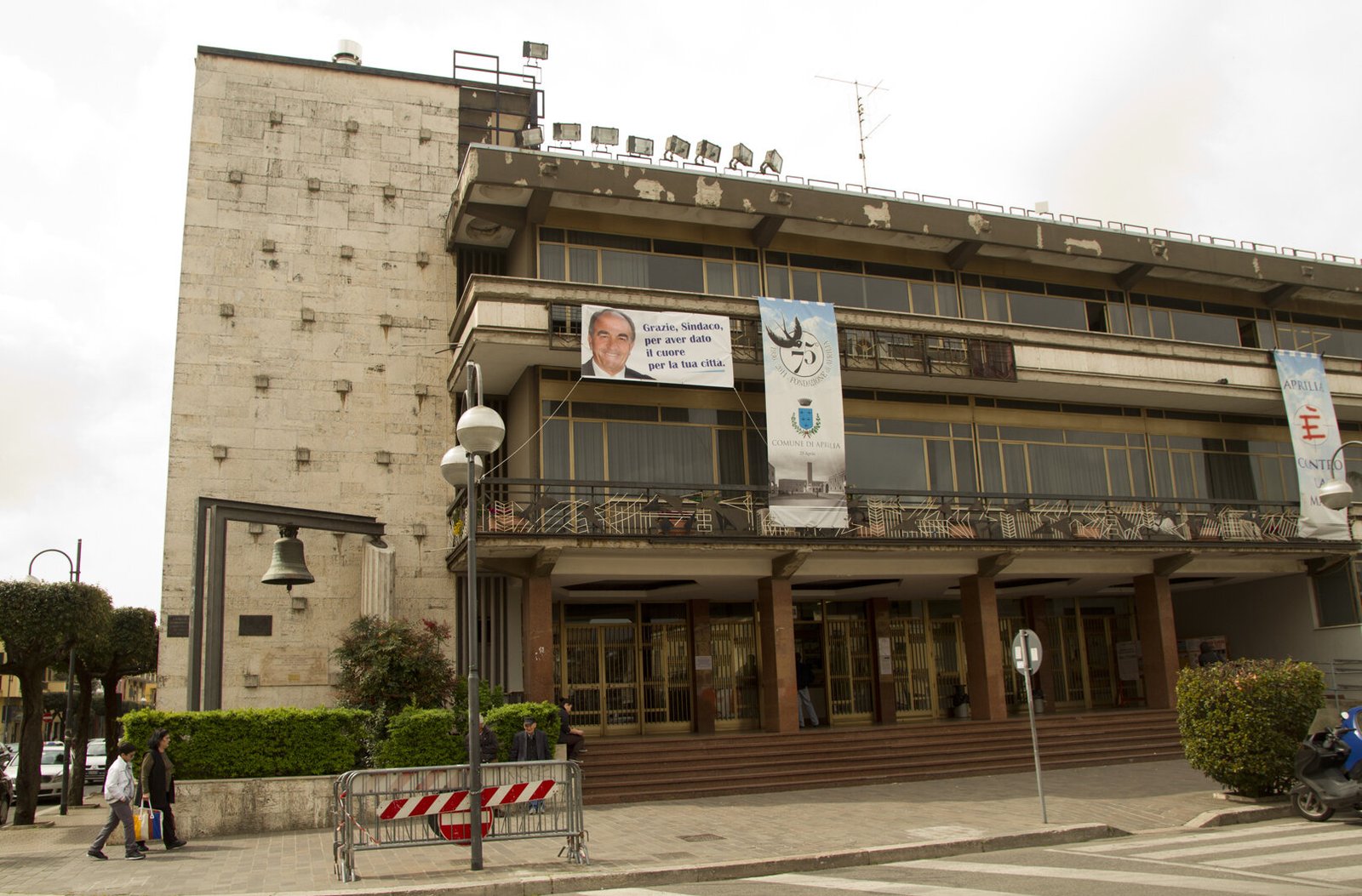
Aprilia, located just 31 km from Rome, offers expats a unique blend of modern amenities and rich history. This town, founded in the 1930s during Italy’s Fascist era, showcases notable landmarks such as the churches of St. Michael and Maria Goretti, and the Mausoleum of the Garibaldi family, reflecting its historical significance. While Aprilia provides a high quality of life with excellent healthcare and air quality, challenges include its relatively recent establishment, which may lack the charm of older Italian towns. The town’s proximity to Rome allows for easy access to the capital’s cultural offerings, yet Aprilia’s own cultural scene is burgeoning, with local markets and events fostering community spirit. With beautiful coastal areas nearby, though some beaches face pollution concerns, Aprilia presents a compelling option for retirees and expats seeking both convenience and connection to Italy’s diverse heritage.
✓ Pros for expats
– High-quality healthcare system with excellent facilities available.
– Pleasant climate with mild winters and warm summers.
– Efficient public transportation connecting to Rome and nearby areas.
– Low unemployment rate supporting local economic stability.
– Rich cultural and historical heritage to explore and enjoy.
– Limited tourist presence ensuring a more authentic living experience.
– Good internet connectivity for remote work and communication.
– Opportunities for community integration and local engagement activities.
– Reasonable cost of living compared to major Italian cities.
– Access to beautiful natural surroundings and outdoor activities.
! Things to consider
– Limited nightlife options for those seeking vibrant social scenes.
– Local cuisine may not cater to diverse international tastes.
– Language barrier could complicate daily interactions for non-Italian speakers.
– Remote location may feel isolated from major urban amenities.
– Infrastructure improvements needed for some public facilities and services.
– Less exposure to international cultures compared to larger cities.
– Limited shopping options for global brands and products.
– Public services can sometimes be slow or bureaucratic.
– Seasonal weather can lead to uncomfortable summer heat.
– Local events might not appeal to all cultural interests.
Where is Aprilia
Getting there
Aprilia enjoys strong connectivity. It is conveniently located near major roadways, including the A1 motorway, which facilitates access to Rome and beyond. The town features two train stations offering frequent services, while nearby airports broaden travel options, particularly Ciampino and Fiumicino.
Housing & cost of living
Estimated cost of an 80 m² home: €97,760
Housing availability: High
Cost of living
Aprilia, Lazio, offers a balanced yet nuanced perspective on affordability for potential expats and investors. With living costs slightly below the national average, day-to-day expenses such as dining and groceries remain manageable, allowing a decent quality of life. While property prices per square meter suggest reasonable housing investments, the town’s economic stability, underscored by low unemployment and an effective economic rating, presents a sound environment for long-term prospects. However, the overall income level indicates that while costs are lower, many residents may need to budget carefully, suggesting moderate affordability overall.
Climate & weather
Exceptional (Top 10%)
Low (11th-20th percentile)
Somewhat Low (21st-30th percentile)
Very High (81st-90th percentile)
Aprilia offers a climate that blends Mediterranean mildness with gentle seasonal transitions, appealing particularly to those seeking a stable, comfortable environment. Winters are notably mild, with infrequent and light snowfall, presenting an ideal setting for expats and retirees from colder regions. Summers are warm and pleasantly tempered, not reaching the extremes seen elsewhere. This balance ensures that outdoor activities and social events can be enjoyed year-round. The region is also graced with an abundance of sunny days, illuminating the picturesque landscapes and historic architecture that define Aprilia, making it a magnetic spot for those enchanted by Italy’s rich cultural tapestry.
Air quality & environment
Air quality rating: ★★★★★
In the charming town of Aprilia, Italy, the air quality generally presents a positive scenario for those considering a move. Primarily, pollutants like nitrogen dioxide and sulphur dioxide are well within commendable levels, underlining a healthy living environment. The particulate matter sizes, PM10 and PM2.5, though slightly varied, mostly range from good to fair, suggesting mostly clear skies with occasional moderate concerns. Ozone levels reflect a similar dual classification, aligning with many sunny days. Overall, Aprilia offers an atmosphere conducive to everyday activities and wellness, making it an appealing spot for expats and retirees seeking a serene habitat.
Healthcare & safety
Road accidents: 55.0 per 10k inhabitants.
ASL Latina covers Latina province , Latina city, Sabaudia, Terracina, Gaeta, Formia, the Pontine plain, the Aurunci mountains, the Ponza archipelago. Composite of 42/100, bottom quartile nationally. Community care is the strongest pillar (52) but the composite is dragged down by weak emergency and hospital response. The Pontine coast and islands face transfer-time issues; residents on Ponza and Ventotene in particular should plan for likely transfers.
Internet & connectivity
Transport & proximity
✈️ Airports
| Airport | Drive | Score |
|---|---|---|
| Ciampino (Rome) | 35 min | 4 |
| Leonardo da Vinci (Rome Fiumicino) | 39 min | 10 |
| Capodichino (Naples) | 115 min | 9 |
🚂 Rail stations
| Station | Drive | Score |
|---|---|---|
| Aprilia | 4 min | 6 |
| Campo di Carne | 7 min | 6 |
| Campoleone | 15 min | 7 |
What's nearby
Life in Aprilia
Neighbourhoods
– **Bellavista**: A residential area in Aprilia known for its panoramic views of the surrounding regions.
– **Borgata Agip**: A neighbourhood named after the historical oil company, providing suburban housing and essential amenities.
– **Buon Riposo**: A peaceful locality focusing on residential life close to central Aprilia.
– **Caffarelli**: Predominantly residential, offering local shops and services.
– **Campo del Fico**: A rural area characterised by agricultural lands and open spaces.
– **Campo di Carne**: Known for the historical site of World War II battles, combining residential and historical interest.
– **Campoleone**: A well-connected area with significant transport links including a train station.
– **Campoverde**: Offers both residential and industrial zones, contributing to local employment.
– **Centro Storico**: The historic centre featuring landmarks, government buildings, and cultural sites.
– **Carano-Garibaldi**: Known for agricultural activities and the tomb of Menotti Garibaldi.
– **Carroceto**: Suburb offering residential housing with access to local amenities.
– **Casalazzara**: Positioned close to natural reserves, supporting agricultural practices.
– **Fossignano**: Primarily residential, it features local shops and community services.
– **Genio Civile**: Hosts critical infrastructure supporting engineering and construction activities.
– **Giannottola**: A minor locality, mainly residential.
– **Isole**: Known for its detached homes and quiet, semi-urban nature.
– **La Cogna**: Blends residential spaces with agricultural lands.
– **Pantanelle**: Includes marshlands leading to natural biodiversity.
– **Pian di Frasso**: A small residential spot emphasising previous rural traditions.
– **Rosatelli**: Mixed-use area combining light industry and residences.
– **Spaccasassi**: Virtually untouched rural area.
– **Torre Bruna**: Features historical towers and predominantly residential areas.
– **Torre del Padiglione**: Focuses on agriculture and heritage conservancy.
– **Tufello**: Predominantly residential, close to urban conveniences.
– **Vallelata**: Rural with some residential developments.
– **Valli**: Mainly residential with a focus on community living.
This information is based on data from [Wikipedia](https://it.wikipedia.org/wiki/Aprilia_(Italia)).
Local cuisine
Aprilia, located in the Lazio region of Italy, boasts a lively culinary scene characterized by traditional Italian flavors and local specialties. The region is famous for its signature dishes such as pasta alla carbonara, Cacio e Pepe, and bucatini all’amatriciana, along with regional delights like abbacchio (roast lamb) and porchetta di Ariccia. Local dining venues offer a combination of classic and contemporary Italian cuisine, focusing on fresh, high-quality ingredients, including Pecorino Romano cheese and local seafood. Aprilia’s restaurant scene also features various international influences, providing a wide range of dining choices beyond Italian food. Notably, at least one Michelin-starred restaurant can be found in the town, showcasing its dedication to quality and culinary excellence.
Where to shop
The region presents a variety of shopping options to meet different needs. Key facilities include spacious shopping centers that host a mix of international and local brands. Specialty shops and boutiques thrive, offering unique gifts and artisanal products. Supermarkets cater to everyday essentials, while farmers’ markets provide fresh produce. Overall, the shopping environment is well-equipped for both casual shoppers and those looking for more specialized items.
Green areas & parks
Aprilia, Lazio provides several options for outdoor enthusiasts. Notable hiking paths include the “Santuario Madonna delle Grazie, Belvedere Via Sacra e Fontana Tempesta da Aprilia,” which spans 33 miles with a 3,875-foot elevation gain. Another option is the “Apriliagiro ad anello castelli romani,” a loop of roughly 37 miles. Additionally, the area features trails leading to natural sites like Pantanelle and Nemi. Outdoor activities such as rock climbing are also accessible, with local facilities catering to climbing aficionados.
Education
People & tourism
Annual tourists (2023): 7,833