
Abruzzo · Teramo · Italy
Atri
Historic town by the Adriatic Sea, celebrated for medieval architecture, lively festivals, and ceramics.
At a glance
About Atri
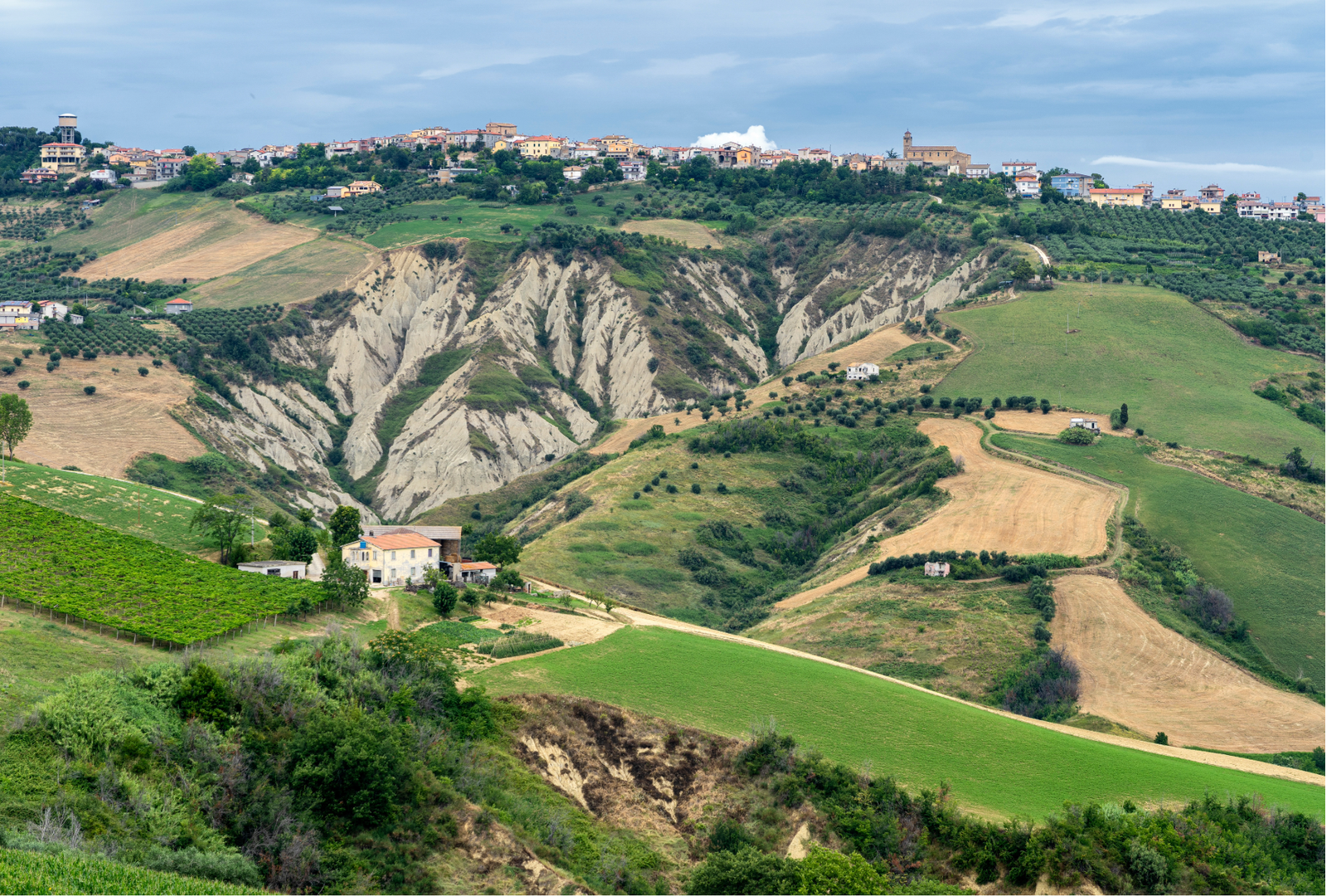
Atri, a historic town in Abruzzo, presents a unique combination of cultural richness and natural beauty, making it a desirable location for expatriates and retirees. Situated close to the Adriatic Sea and enveloped by charming vineyards, Atri is famous for its medieval structures, lively festivals, and traditional crafts, particularly ceramics. Noteworthy sites include the Romanesque cathedral and the ancient city walls, which showcase its storied past. The town’s compact size creates a friendly atmosphere, promoting interactions among newcomers. While Atri has a commendable walk score, it may present challenges such as limited access to specialized healthcare, necessitating travel for more advanced medical needs. The language barrier can also be a challenge for expats unfamiliar with Italian. Despite this, Atri’s clean air and closeness to nature make it a desirable place for those pursuing a peaceful lifestyle within Italy’s cultural landscape.
✓ Pros for expats
– Rich cultural and historical heritage throughout the town.
– Mild climate suitable for year-round outdoor activities.
– Good air quality promotes a healthy living environment.
– Low unemployment rate provides economic stability and opportunities.
– Less touristy atmosphere fosters local community engagement.
– Opportunities for cultural integration and social activities.
– Quality healthcare services available to residents.
– Adequate infrastructure supports daily living needs.
– Scenic landscapes enhance the quality of life.
– Accessible public transportation for convenient travel options.
! Things to consider
– Limited healthcare quality may not meet all residents’ needs.
– Infrastructure lacks modern amenities for a more comfortable lifestyle.
– Internet speeds may frustrate those accustomed to faster connections.
– Fewer educational facilities may limit options for families with children.
– Small-town life may feel isolating for some expats and retirees.
– Local bureaucracy can be slow and cumbersome to navigate.
– Limited dining and entertainment options can be a downside.
– Seasonal weather changes may not suit everyone’s preferences.
– Job opportunities may be limited despite low unemployment rates.
– Public transportation options may not always be reliable or frequent.
Where is Atri
Getting there
Atri enjoys a prime location with access to key roads, including the A14 motorway, which makes regional travel easy. It is around 27 minutes from Abruzzo Airport (Pescara) and near two train stations that offer good connectivity, scoring 7 and 6 out of 10 for accessibility.
Housing & cost of living
Estimated cost of an 80 m² home: €62,000
Housing availability: Relatively Low
Cost of living
Atri in Abruzzo presents a reasonable cost of living, making it appealing for prospective expatriates and investors. With a low unemployment rate and property prices that remain affordable, residents can secure decent housing and amenities. However, income levels reflect the region’s economic landscape, indicating that while everyday living may be feasible, broader job opportunities can be limited. Overall, Atri offers an affordability rating that skews towards modest, with the potential for growth as the local economy stabilizes.
Climate & weather
High (71st-80th percentile)
High (71st-80th percentile)
Average (41st-50th percentile)
Below Average (31st-40th percentile)
Atri’s climate offers a varied seasonal experience, appealing to expatriates and retirees seeking a mix of warmth and moderate winter chill. Summer temperatures peak with warmth, encouraging outdoor activities and exploration of the surrounding landscapes. Winters remain mild with occasional snowfall that graces the town, briefly transforming it into a picturesque winter scene. Rainfall is distributed fairly throughout the year, ensuring lush greenery and thriving agriculture in the region. The ample sunshine contributes significantly to daily life in Atri, supporting pleasant walks in its historic quarters and vibrant public squares, thereby promoting an active lifestyle amidst its serene environment.
Air quality & environment
Air quality rating: ★★★★★
In Atri, Italy, the air quality typically provides a favorable environment for expatriates and retirees, especially those who prioritize respiratory health. Levels of small particulate matter (PM10 and PM2.5) are reassuringly low, indicating minimal presence of potentially harmful pollutants. Additionally, nitrogen and sulfur dioxide concentrations are also low, contributing to a healthy atmospheric composition. The only slight exception to this overall positive picture pertains to ozone levels, which, while not alarming, require awareness for individuals particularly sensitive to this gas. This air quality supports an environment where outdoor activities can be enjoyed with minimal concerns about air quality issues.
Healthcare & safety
Road accidents: 23.0 per 10k inhabitants.
ASL 4 Teramo encompasses Teramo province , including Teramo city, Giulianova, Roseto degli Abruzzi, and the northern Abruzzo coast, along with the eastern slope of Gran Sasso. It has a composite score of 51/100, slightly above the median. Community care stands out as the strongest aspect (56). The catchment area is workable, ranking it as the strongest Abruzzo AULSS on the coastal side of the region.
Internet & connectivity
Transport & proximity
✈️ Airports
| Airport | Drive | Score |
|---|---|---|
| Abruzzo Airport (Pescara) | 27 min | 7 |
| Raffaello Sanzio (Ancona) | 64 min | 6 |
| Ciampino (Rome) | 94 min | 4 |
🚂 Rail stations
| Station | Drive | Score |
|---|---|---|
| Pineto-Atri | 11 min | 5 |
| Scerne di Pineto | 13 min | 6 |
| Silvi | 19 min | 6 |
What's nearby
Life in Atri
Local cuisine
Atri’s food scene is a vibrant mix of traditional Abruzzese dishes and contemporary dining options. The town showcases a variety of local specialties, prominently featuring saffron-infused risottos, hearty mountain dishes like sausages and porchetta, and the renowned arrosticini, skewers of grilled sheep meat. Atri is also known for its distinctive liquorice products, including sweets and liqueurs. The region is celebrated for its wines, such as Montepulciano d’Abruzzo and Trebbiano. In terms of dining variety, Atri offers a blend of rustic trattorias and modern establishments. While primarily focusing on Italian cuisine, some places incorporate international flavors, reflecting the local agricultural abundance and seafood specialties. The dining scene is further enhanced by the nearby presence of Michelin-starred restaurants like Reale, a prestigious three-star venue, and other single-star spots that emphasize fresh, seasonal ingredients. Thus, Atri’s gastronomy embodies both the heritage of Abruzzo and a growing recognition in the culinary world, appealing to both locals and visitors in search of authentic Italian tastes alongside modern interpretations.
Where to shop
The shopping environment features small independent stores that offer local treats and artisanal products, along with supermarkets for everyday needs. There are also boutique shops providing a range of items from clothing to home goods. Additionally, traditional markets are held regularly, showcasing fresh produce and local crafts, while some regional shopping centers and malls present a more extensive retail experience. Overall, this area supports a diverse shopping scene that caters to expatriates and retirees looking for both convenience and unique local finds.
Green areas & parks
Atri features several notable green spaces and trails for those who enjoy the outdoors. The Calanchi di Atri Regional Nature Reserve is renowned for its geological formations and rich biodiversity, offering three marked paths suitable for various skill levels. Cycling is allowed, and guided tours are available. Another significant trail is the Piane Sant’Andrea, stretching about 20 miles, recognized as the area’s most challenging hike. For a more moderate experience, the Fondovalle Piomba via Villa Gisella spans 3.1 miles, providing a more accessible adventure.
Education
People & tourism
Annual tourists (2023): 3,080