
Sicilia · Siracusa · Italy
Augusta
A coastal Sicilian town featuring a Mediterranean climate, affordable living, and limited cultural experiences.
At a glance
About Augusta
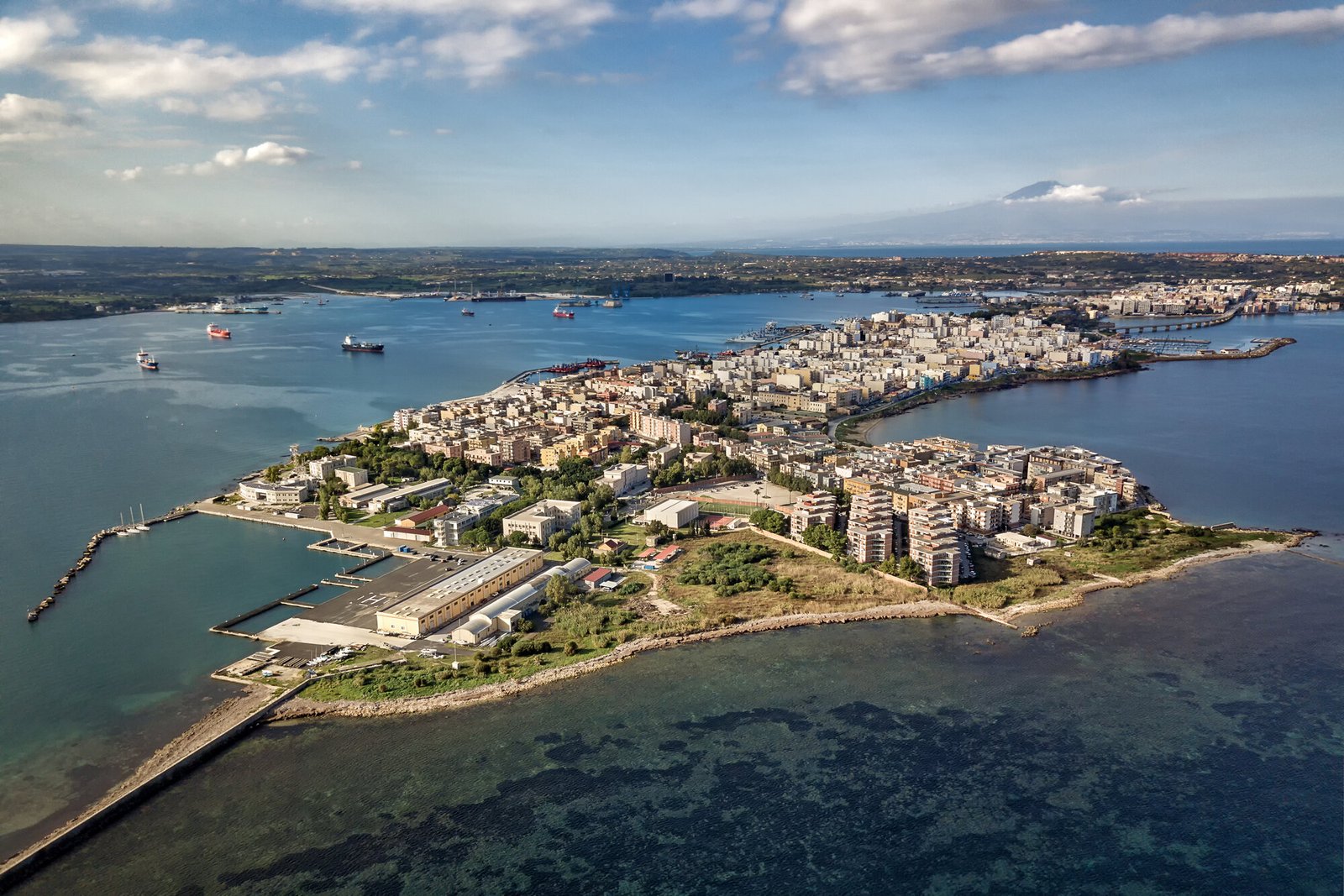
Augusta, situated in the eastern part of Sicily, offers a blend of opportunities and challenges for expatriates and retirees. This coastal town, home to approximately 34,000 inhabitants, features a Mediterranean climate marked by hot, dry summers and mild winters, creating a pleasant atmosphere throughout the year. Key attractions include nearby beaches known for their excellent water quality, ideal for swimming and unwinding. Cultural experiences might be limited, with nightlife and recreational options described as lacking, which could concern some retirees in search of vibrant social venues.
Despite its advantages, Augusta faces obstacles such as below-par transportation quality and safety issues, with crime rates higher than those in other towns. Nonetheless, the cost of living remains affordable, making it a favorable option for individuals on a fixed income. Local industries include fishing and agriculture, contributing to the town’s charm and sustainability, appealing to those who appreciate simpler lifestyles.
✓ Pros for expats
– Rich cultural and historical backdrop to explore and enjoy.
– Mild Mediterranean climate with warm summers and mild winters.
– Opportunities for social integration within the local community.
– Accessible public transportation connecting to surrounding areas.
– Quality healthcare facilities available for residents.
– Low tourist presence ensures a more authentic experience.
– Air quality is relatively good and conducive for living.
– Local markets offer fresh produce and authentic regional cuisine.
– Affordable cost of living compared to larger Italian cities.
– Diverse recreational activities in nearby natural settings.
! Things to consider
– Healthcare quality is below average, limiting advanced treatment options.
– Public transportation infrastructure is underdeveloped and inconsistent.
– Internet connectivity is extremely slow, hindering remote work opportunities.
– Job market is competitive with slightly higher unemployment rates.
– Limited educational facilities may not suit families with children.
– Cultural activities can be sparse outside peak seasons.
– Language barrier may hinder deeper community integration for newcomers.
– Local amenities may be fewer compared to larger cities.
– Weather can become uncomfortably hot during peak summer months.
– Limited nightlife options may not appeal to younger expats.
Where is Augusta
Getting there
Augusta is mainly accessible via the A18 motorway, connecting it to major urban locations. The closest airport is Catania Fontanarossa, with a secondary option being Tito Minniti in Reggio Calabria. Nearby train stations enhance connectivity, providing access to regional destinations.
Housing & cost of living
Estimated cost of an 80 m² home: €72,880
Housing availability: Low
Cost of living
Augusta, Sicilia presents a mixed financial scenario for prospective expats. With a manageable cost of living that balances reasonable housing prices against a local income that hovers around the average, residents can find affordable options, especially in rental markets. Economic stability is relatively strong, supported by low unemployment rates that are slightly above the national average. However, while housing is accessible, the town’s economic prospects may not be as robust as those found in larger Italian cities. Overall, affordability is decent, but it necessitates careful budgeting for a comfortable living experience.
Climate & weather
Exceptional (Top 10%)
Very Low (Bottom 10%)
Very Low (Bottom 10%)
Exceptional (Top 10%)
Augusta enjoys a predominantly sunny climate, with abundant sunshine throughout the year enriching its tranquil ambiance. The region experiences mild winters with a rare dusting of snow, adding a brief touch of wintry charm. Summers in Augusta are warm but not overly hot, making it an ideal retreat for retirees and expats seeking a gentle climate. The area receives a moderate amount of rainfall, ensuring that the surrounding landscapes remain lush and verdant without frequent wet spells. Overall, Augusta’s temperate weather supports a comfortable lifestyle with plenty of opportunities to enjoy the outdoors year-round.
Air quality & environment
Air quality rating: ★★★★★
Augusta, Italy offers relatively clean air quality, conducive to a comfortable living environment for retirees and expats. The town maintains satisfactory levels of particulate matter, with PM10 and PM2.5 levels generally classified as good and fair, respectively. These conditions are favorable for outdoor activities without significant concerns for respiratory discomfort. Nitrogen dioxide and sulfur dioxide levels are also commendably low, both rated as good, ensuring that the air remains fresh and less likely to contribute to environmental acidity or respiratory problems. Ozone levels, though rated as fair, remain within a moderate range, suitable for most day-to-day outdoor activities.
Healthcare & safety
Road accidents: 39.0 per 10k inhabitants.
ASP Siracusa serves Siracusa province , including Siracusa city, Augusta, Avola, Noto, and the south-eastern Sicilian coast. It has a composite score of 42/100, placing it in the bottom quartile nationally. The profile is generally weak. Acute response is manageable, but there is notable weakness in pulmonary embolism survival. Routine care is workable; private insurance for specialist care is recommended.
Transport & proximity
✈️ Airports
| Airport | Drive | Score |
|---|---|---|
| Catania Fontanarossa (Catania) | 29 min | 7 |
| Tito Minniti (Reggio Calabria) | 105 min | 6 |
| Falcone Borsellino (Palermo) | 128 min | 9 |
🚂 Rail stations
| Station | Drive | Score |
|---|---|---|
| Augusta | 8 min | 6 |
| Siracusa | 31 min | 9 |
| Bicocca | 29 min | 7 |
What's nearby
Life in Augusta
Neighbourhoods
– Il Monte: A residential area known for housing.
– La Borgata: The new district located on the mainland.
– L’isola di Augusta: The historic centre, representing the old city.
Local cuisine
The culinary landscape in Augusta, Sicily, features a rich variety of traditional Sicilian dishes, prominently including fresh seafood, locally sourced vegetables, and unique flavors that showcase the region’s Mediterranean heritage. Signature dishes such as ‘arancini’ (rice balls filled with diverse ingredients), ‘pasta alla Norma’ (pasta with eggplant, tomato sauce, and ricotta), and ‘caponata’ (a sweet and sour eggplant dish) highlight local culinary traditions. Additionally, Augusta offers a wide range of dining choices, from family-run trattorias serving homestyle Sicilian cuisine to contemporary bistros that incorporate international influences. The town is also home to several Michelin-starred restaurants, such as ‘Capriccio’, which exemplify the blend of traditional methods with modern culinary creativity. Overall, Augusta’s dining scene presents a harmonious mix of traditional and contemporary tastes, making it a notable destination for food lovers.
Where to shop
The region features a varied retail environment that includes both chain stores and local boutiques. Shopping centers encompass upscale venues alongside popular malls, catering to diverse consumer needs. A strong emphasis on artisanal and specialty shops reflects local craftsmanship, particularly in antiques and artworks. Additionally, access to supermarkets provides for essential grocery shopping. Artisans and antique stores enrich the cultural experience, offering a unique shopping atmosphere that may attract expatriates and retirees looking for both practicality and local character.
Green areas & parks
Augusta in Sicily offers a range of outdoor experiences suitable for expats and retirees. Nature enthusiasts can visit Saline di Augusta, a historic locale and naturalistic haven transformed from ancient salt extraction sites. The Giardini Pubblici provides a serene garden atmosphere for leisurely strolls. Moreover, coastal activities can be enjoyed at Faro del Capo di Santa Croce, showcasing the region’s natural reefs. These locations offer a mix of historical charm and outdoor recreation, catering to those looking for both relaxation and adventure in a Mediterranean setting.
Education
People & tourism
Annual tourists (2023): 10,160