
Toscana · Lucca · Italy
Barga
Historic hilltown with medieval architecture, cultural festivals, and scenic views; limited modern amenities.
At a glance
About Barga
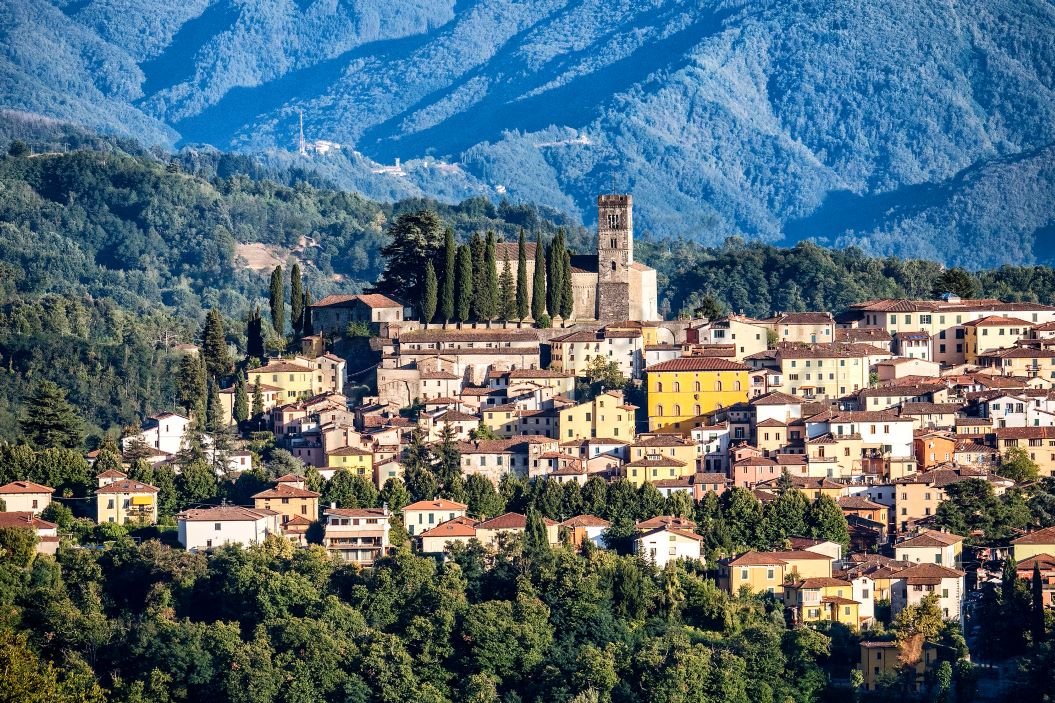
Barga, a historic hilltown in Tuscany, is approximately 20 miles north of Lucca and is home to a population of around 9,400 residents. Its medieval architecture, with streets adorned in warm ochres and rich pinks, offers a captivating environment that appeals to many expats and retirees. Key attractions include an annual opera festival and a summer jazz festival, which contribute to the town’s vibrant cultural scene. Residents can enjoy scenic views of the Apuan Alps and the tranquil setting above the Serchio River valley, ideal for leisurely strolls.
However, while Barga’s charm is undeniable, it may challenge those seeking modern amenities. The nearest beach is over 60 km away, and although the town delivers a blend of historical and cultural richness, the healthcare quality is modest. Internet connectivity averages at a competitive speed, thus making remote work feasible, attracting a well-rounded expatriate community.
✓ Pros for expats
– Rich cultural and historical heritage to explore and enjoy.
– Mild climate, perfect for outdoor activities year-round.
– Affordable living compared to larger Italian cities.
– Strong sense of community and welcoming atmosphere.
– Opportunities for language and cultural integration.
– Proximity to nature and scenic landscapes.
– Reliable healthcare services available locally.
– Low unemployment rate fostering economic stability.
– Sufficient internet connectivity for remote work and communication.
– Limited but charming tourism, enhancing local vibrancy.
! Things to consider
– Healthcare quality could be better; some services may be limited.
– Transportation options are limited; not ideal for frequent travelers.
– Infrastructure improvements needed; roads may not be well-maintained.
– Internet speed might frustrate heavy users or remote workers.
– Limited shopping and dining options; variety can be lacking.
– Cultural events sparse outside peak tourist seasons; quiet times exist.
– Local dialects may hinder language integration for newcomers.
– Weather can be humid; not everyone enjoys that climate.
– Education facilities might not meet all expat families’ needs.
– Some may find the small-town lifestyle too isolating or quiet.
Where is Barga
Getting there
Barga is accessible via major roads including the SR445 and SS12, linking it to surrounding areas. The nearest airports, Galileo Galilei in Pisa and Amerigo Vespucci in Florence, provide international connections. Local train stations offer modest regional links but receive low infrastructure ratings.
Housing & cost of living
Estimated cost of an 80 m² home: €150,080
Housing availability: Low
Cost of living
Barga offers a mixed picture of affordability for potential expats and investors. While the town boasts a low unemployment rate and a decent median income, the cost of living, particularly in housing, leans towards the expensive end. Monthly expenses for a single person can be quite high, and rental prices for apartments reflect a significant investment. Despite its charming scenery and economic stability, prospective residents should be prepared for steep real estate prices and higher than average living costs compared to other areas in Tuscany.
Climate & weather
Somewhat High (61st-70th percentile)
Average (41st-50th percentile)
Very High (81st-90th percentile)
Average (41st-50th percentile)
Barga, located in Italy, offers a climate that delivers distinct seasonal variations ideal for those seeking diversity throughout the year. Winters are mildly cold with occasional snow, but mostly it remains clear, allowing for picturesque snow-covered landscapes without frequent heavy snowfall. Summers are comfortably warm rather than hot, encouraging outdoor activities and leisure at the town’s many scenic spots. The moderate temperatures and balancing sunshine generate a pleasant ambience for expats and retirees alike. Balanced precipitation throughout the year maintains the lush greenery of the surroundings, enhancing Barga’s historic charm and making it an attractive destination for lovers of mild European climates.
Air quality & environment
Air quality rating: ★★★★★
Barga, nestled in Italy's picturesque landscapes, offers notably clean air, making it a favorable choice for expats and retirees seeking a healthy living environment. The town benefits from good levels of particulate matter, with both PM10 and PM2.5 kept well under concerning thresholds. Nitrogen dioxide and sulphur dioxide, potential irritants, are also present at minimal concentrations, further showcasing the town’s commitment to maintaining a pure atmosphere. However, ozone levels hover in a range that warrants moderate caution, suggesting that residents may experience slight discomfort on days with elevated ozone. Overall, Barga’s air quality supports a pleasant and health-oriented lifestyle.
Healthcare & safety
Road accidents: 19.0 per 10k inhabitants.
ASL Toscana Nord-Ovest serves Lucca, Massa-Carrara, Pisa, Livorno, and the Versilia — Lucca city, Viareggio, Pisa, Livorno, Carrara, the Apuan Alps, the Garfagnana. The listing as ‘Provincia di Lucca’ reflects how AGENAS presents the multi-province ASL; the same data applies across the whole catchment. Composite of 70/100 places it at the 100th national percentile — the highest-rated AULSS in Italy. Community care is exceptional (76), one of the strongest primary-care systems in the country, with particularly low avoidable-hospitalisation rates. A genuinely top-tier catchment.
Internet & connectivity
Transport & proximity
✈️ Airports
| Airport | Drive | Score |
|---|---|---|
| Galileo Galilei (Pisa) | 66 min | 7 |
| Amerigo Vespucci (Florence) | 77 min | 6 |
| Guglielmo Marconi (Bologna) | 111 min | 7 |
🚂 Rail stations
| Station | Drive | Score |
|---|---|---|
| Castelvecchio Pascoli | 9 min | 4 |
| Barga-Gallicano | 12 min | 6 |
| Fornaci di Barga | 14 min | 6 |
What's nearby
Life in Barga
Local cuisine
Barga’s culinary scene is rich in traditional dishes and local produce, with a strong emphasis on cucina povera, featuring salami, prosciutto, pecorino cheese, and polenta. Distinctive local specialties include formenton otto file corn, used to create traditional polenta dishes, and chestnuts, which are prominent in various festive preparations. The town celebrates its culinary heritage through local festivals such as the Sagra del Pesce e Patate and the Sagra della Polenta e Uccelli, showcasing communal dining experiences. Regarding dining variety, Barga hosts a range of restaurants primarily focused on authentic Tuscan cuisine, prominently featuring local trout and chestnut-based delicacies. However, there are currently no Michelin-starred restaurants in Barga, reflecting its status as a charming, local dining destination without international accolades.
Where to shop
The shopping scene features a mix of supermarkets, boutique shops, and local artisan markets. Visitors can explore various retail formats, including traditional street markets selling fresh produce and local crafts. Additionally, there are dedicated venues offering a selection of wines and regional delicacies, ideal for those seeking authentic local experiences. For a more contemporary shopping atmosphere, larger retail centres are also accessible in nearby urban areas, providing a broader range of services and products.
Green areas & parks
Barga, Tuscany offers a variety of outdoor activities suitable for all abilities. The region includes nine notable hiking trails such as the Il Ciocco trail and the challenging Via Matildica del Volto Santo. Outdoor pursuits like hiking, biking, and trail running are prominent. Trails provide access to historic sights and natural features, including Grotta Rosal and Monte Specchione. The most demanding route, Ciocco – l’Uccelliera, spans 10.4 miles. Trail networks offer opportunities for diverse experiences from moderate to arduous, supporting interests spanning leisurely walks to rigorous adventure.
Education
People & tourism
Annual tourists (2023): 31,028