
Toscana · Massa-Carrara · Italy
Carrara
Referred to as the "marble capital," this Tuscan town features a rich culture, historic sites, and beautiful beaches.
At a glance
About Carrara
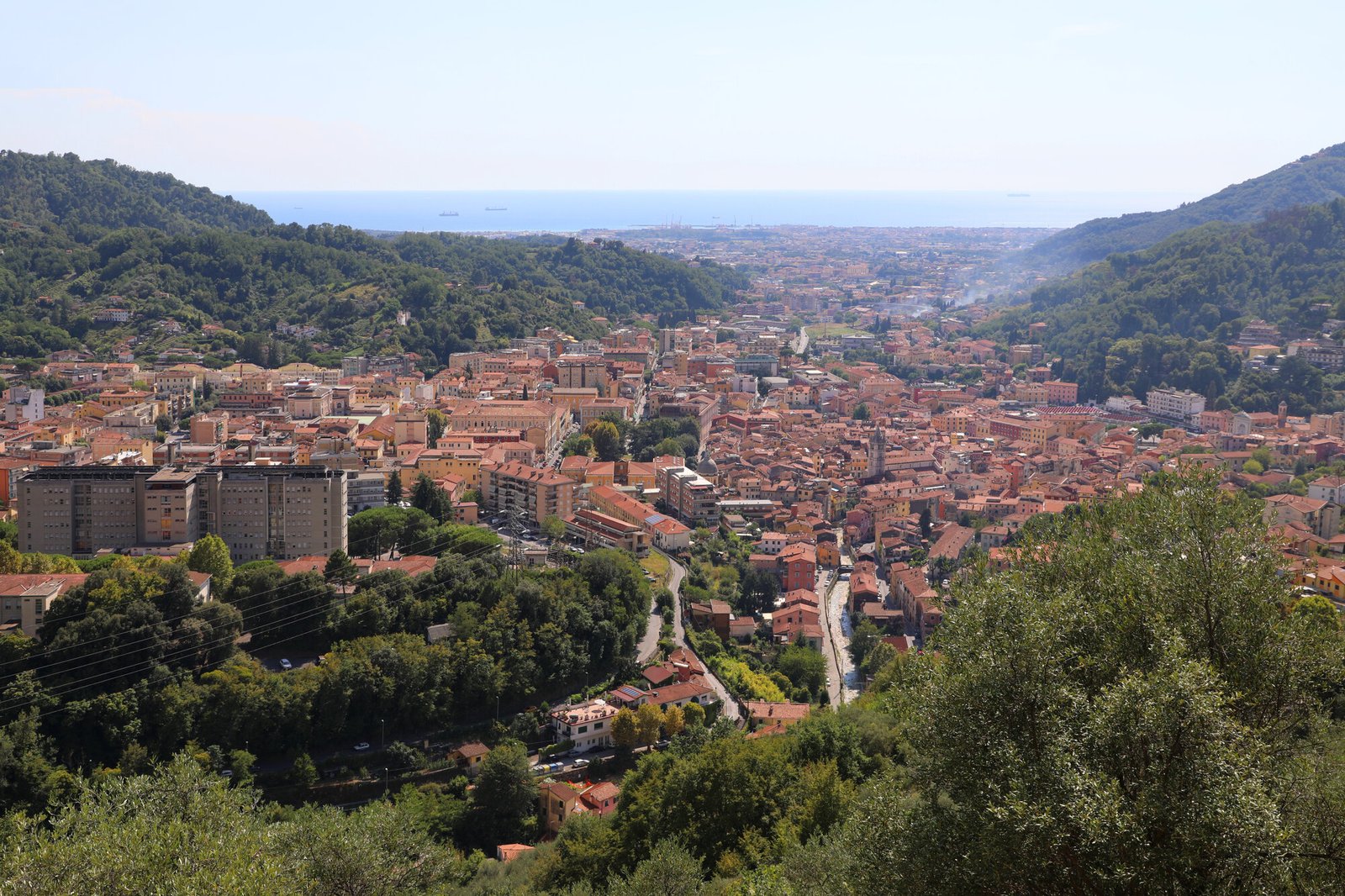
Carrara, located in the heart of Tuscany, is celebrated as the “marble capital” of the world, a title that significantly influences its character. Tourists can immerse themselves in its vibrant cultural scene, highlighted by artistic landmarks such as the Carrara Cathedral and the Civic Museum of Marble. The town’s historic center, which includes the charming Piazza Alberica and architectural treasures like the Sanctuary of the Madonna delle Grazie, beautifully merges history with community life.
Those considering retirement will find Carrara’s mild climate and closeness to the Apuan Alps appealing, perfect for outdoor activities. While the town offers an enticing lifestyle, some drawbacks include fewer healthcare facilities compared to larger cities and a more relaxed pace that might not suit everyone. The nearby beaches of Marina di Carrara boast excellent water quality, further enhancing its allure. In summary, Carrara presents a distinctive mix of history, art, and natural beauty, fostering a welcoming environment for both expats and retirees.
✓ Pros for expats
– Stunning Tuscan scenery and breathtaking marble quarries.
– Rich cultural and historical heritage to discover.
– Mild Mediterranean climate featuring warm summers and mild winters.
– Quality healthcare facilities accessible within the town.
– Low unemployment rate compared to the national average.
– Less crowded environment, allowing for peaceful living.
– Opportunities for community involvement and local engagement.
– Good infrastructure supporting everyday transportation needs.
– Air quality is relatively good, providing a pleasant atmosphere.
– Affordable cost of living compared to larger Italian cities.
! Things to consider
– Limited healthcare availability might suggest potential service issues.
– Infrastructure requires improvement for better daily convenience and access.
– Internet speeds may be slower than in larger cities.
– A lack of tourist attractions can make the area feel quiet.
– Limited educational institutions may not cater to families with children.
– Fewer job opportunities may impact those seeking career advancement.
– The mild climate can also lead to damp winters and occasional fog.
– Local amenities might not meet all expat preferences.
– Small-town dynamics could feel isolating for some newcomers.
– A less vibrant nightlife may disappoint social enthusiasts.
Where is Carrara
Getting there
Carrara enjoys good connectivity, being close to major routes such as the A12 motorway. The closest airport, Galileo Galilei in Pisa, is about 38 minutes away, with another option at Amerigo Vespucci in Florence. Train services are accessible from nearby stations, providing a variety of connectivity ratings.
Housing & cost of living
Estimated cost of an 80 m² home: €165,200
Housing availability: High
Cost of living
Carrara, located in Tuscany, presents a varied cost of living. With a stable economy reflected in low unemployment rates and an income allowing for comfortable living expenses, the town is generally accessible for both expats and investors. Nevertheless, housing prices are noticeably higher than in other Italian provinces, indicating that renting or purchasing a property here requires careful financial consideration. In general, Carrara offers reasonable living conditions, counterbalanced by a more expensive housing market, making it a pragmatic choice for those seeking beauty and community in Tuscany.
Climate & weather
Somewhat High (61st-70th percentile)
Below Average (31st-40th percentile)
Very High (81st-90th percentile)
Very High (81st-90th percentile)
Carrara enjoys a temperate climate, featuring mild winters and warm summers that align with its Mediterranean setting. In the colder months, temperatures seldom drop to uncomfortable levels, maintaining a gentle chill that can sometimes include light snowfall. As summer arrives, the area basks in ample sunshine, illuminating the historic marble quarries and ensuring long daylight hours. The region experiences a moderate amount of rainfall throughout the year, which helps maintain the lushness of the greenery typical of this part of Italy. Overall, Carrara provides a climate that encourages outdoor activities as well as cozy, scenic relaxation.
Air quality & environment
Air quality rating: ★★★★★
In Carrara, Italy, air quality generally falls between good and fair for various pollutants. Levels of particulate matter are moderate, with the smaller particles (PM2.5) occasionally approaching levels of concern, indicating a fair classification. This may affect individuals sensitive to air pollution, although the air is mainly breathable. The levels of nitrogen and sulphur dioxide are quite low, positively influencing the overall air quality index. Ozone levels fluctuate in the middle range, indicating periodic variations that may be of interest to those with respiratory issues. In summary, Carrara provides a largely clean and welcoming atmosphere suitable for both expats and retirees.
Healthcare & safety
Road accidents: 67.0 per 10k inhabitants.
ASL Toscana Nord-Ovest serves Lucca, Massa-Carrara, Pisa, Livorno, and the Versilia , Lucca city, Viareggio, Pisa, Livorno, Carrara, the Apuan Alps, the Garfagnana. The classification as ‘Provincia di Lucca’ reflects how AGENAS presents the multi-province ASL; the same data applies across the entire area. A composite score of 70/100 places it in the 100th national percentile , the highest-rated AULSS in Italy. Community care is exceptional (76), representing one of the strongest primary-care systems in the country, with particularly low avoidable-hospitalization rates. It is genuinely a top-tier catchment.
Internet & connectivity
Transport & proximity
✈️ Airports
| Airport | Drive | Score |
|---|---|---|
| Galileo Galilei (Pisa) | 38 min | 7 |
| Amerigo Vespucci (Florence) | 62 min | 6 |
| Cristoforo Colombo (Genoa) | 66 min | 7 |
🚂 Rail stations
| Station | Drive | Score |
|---|---|---|
| Carrara-Avenza | 8 min | 7 |
| Massa Centro | 18 min | 9 |
| Sarzana | 21 min | 7 |
What's nearby
Life in Carrara
Neighbourhoods
– **Centro Storico**: The historic heart of Carrara is famous for its medieval streets and marble landmarks, providing a glimpse into the city’s rich history with important architectural structures.
– **Avenza**: A densely populated area that includes districts like Battilana, Covetta, and P.E.E.P. It serves as a residential neighborhood offering a mix of urban amenities.
– **Marina di Carrara**: Located along the coast, this district is well-known for its beaches and port activities, functioning as both a residential and commercial center.
– **Torano**: Close to the marble quarries, Torano is recognized for its ties to the marble industry and provides housing options in proximity to local crafts and commerce.
– **Colonnata**: Renowned for its marble caves and traditional Lardo di Colonnata, this area blends industrial history with culinary traditions.
– **Bonascola**: Mainly a residential community known for its housing and local services, it is an emerging suburban neighborhood.
– **Nazzano**: A smaller district that offers a tranquil residential environment, recognized for community living, yet adequately connected to Carrara’s main areas.
– **Stadio-Perticata**: Known for its sports facilities, this neighborhood emphasizes recreational areas and community sports.
Local cuisine
The culinary offerings in Carrara, situated in Tuscany, reflect a rich array of traditional dishes alongside influences from various global cuisines. The region is well-known for local specialties like ‘Lardo di Colonnata,’ recognized as a PGI (Protected Geographical Indication) product, as well as traditional fare such as ‘testaroli’ served with pesto, rustic herb pies, and delightful local cheeses. Remarkably, local breads made from chestnut or maize flour, baked in wood-fired ovens, highlight the area’s culinary traditions. Diners can also savor lamb from Zeri and panigaccio di Podenzana, prepared in terracotta pots. Carrara features a variety of restaurants catering to both local and international tastes, offering seafood, meat, and vegetarian dishes. The town also provides several international dining options influenced by global cuisines. Moreover, Carrara includes Michelin-starred venues, with one restaurant proudly holding two stars, showcasing the high culinary standards of the area.
Where to shop
The shopping scene in Carrara offers diverse options appealing to expats and retirees. Key offerings include supermarkets for daily necessities, boutique shops with artisanal products, and shopping centers that combine international brands with local items. Notable are the markets, which present fresh produce and specialty goods, alongside antique shops and secondhand stores for unique treasures. Designer outlets are also available, catering to luxury preferences. Overall, the region provides a well-rounded retail experience suited to a variety of tastes and requirements.
Green areas & parks
Carrara provides numerous outdoor activities, especially for expats and retirees who enjoy hiking. Notable trails include the Monte Sagro loop from Torano and the Meadows of Campocecina from Vinca. The area features advanced hiking routes such as the Acquasparta, Prati Campocecina, Rifugio Carrara, and Monte Sagro round trip, recommended for experienced hikers. These paths wind through the picturesque landscapes of the Apuan Alps, offering exciting outdoor experiences. Additionally, cultural adventures can be experienced with the Colonnata – Murales Cobra loop, which beautifully combines art with the natural setting.
Education
People & tourism
Annual tourists (2023): 31,325