
Sicilia · Agrigento · Italy
Favara
Cultural heritage, close to the Valley of the Temples, affordable living, limited healthcare access.
At a glance
About Favara
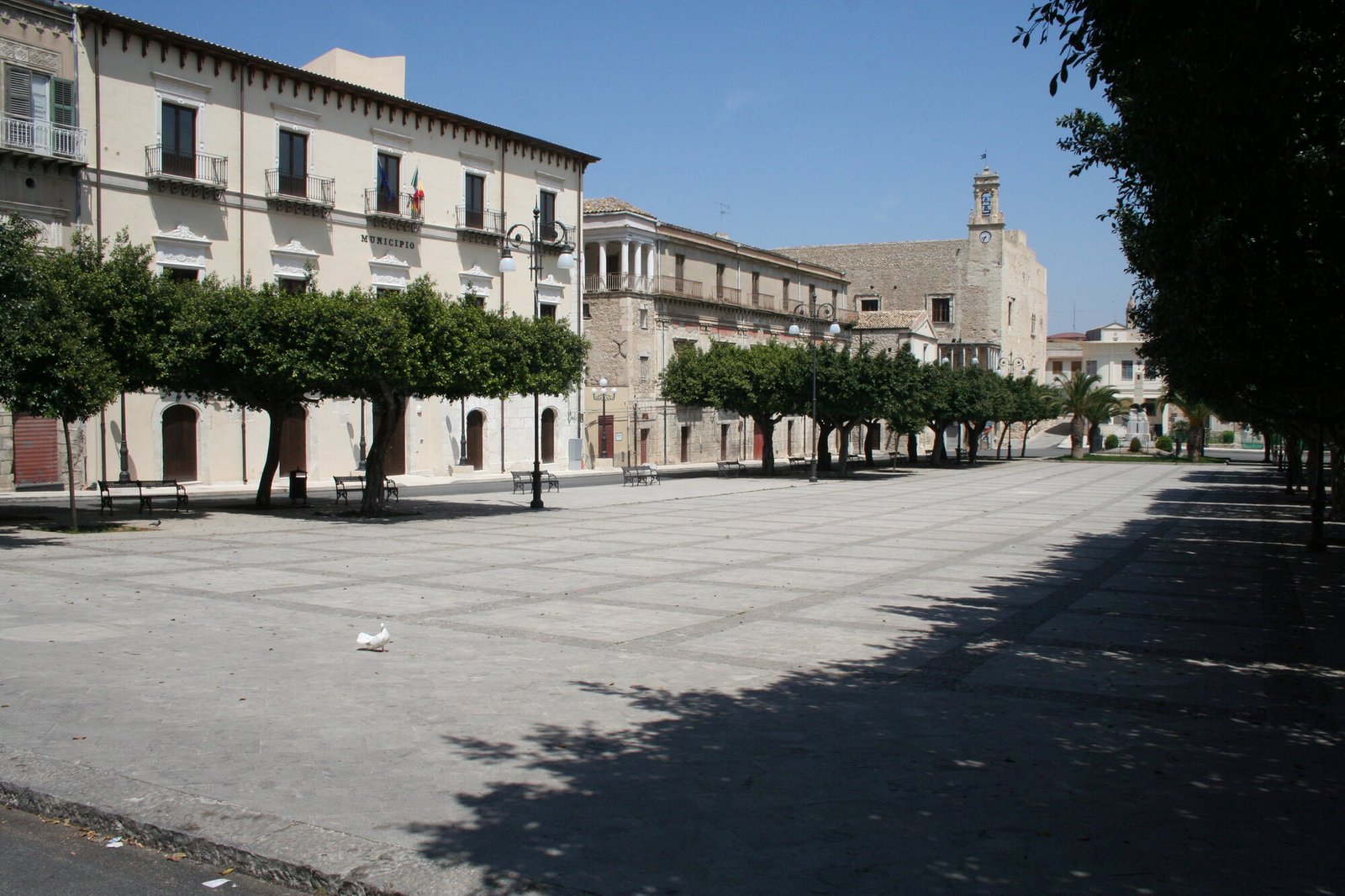
Favara, located in the heart of Sicily, is a town known for its rich cultural heritage and historical importance. Renowned for being close to the breathtaking Valley of the Temples, this area provides retirees and expats with a distinctive mix of ancient architecture and lively local customs. The town hosts various local festivals and culinary events, showcasing its diverse cultural influences shaped by numerous civilizations over the centuries.
While charming, Favara does have its challenges, particularly its limited access to healthcare facilities, which may be a concern for some expatriates. The closest major urban center and airport are about a 90-minute drive away, making transportation somewhat inconvenient. With a walk score of zero, public transit options are scarce, promoting a car-centric lifestyle. Nevertheless, the town offers a low cost of living and a tranquil environment, perfect for those aiming to adopt a slower pace of life in southern Italy.
✓ Pros for expats
– Rich cultural and historical background enhances community experience.
– Mild Mediterranean climate ideal for year-round outdoor activities.
– Opportunities for integration through local events and community activities.
– Access to healthcare services, although quality may vary.
– Lower tourist presence offers a peaceful living environment.
– Good air quality supports overall health and wellness.
– Affordable cost of living compared to larger Italian cities.
– Infrastructure provides essential services and connectivity.
– Local markets offer fresh produce and a lively atmosphere.
– Close-knit community fosters friendships and social ties.
! Things to consider
– Healthcare quality is inconsistent; may not always be reliable for urgent needs.
– Public transport options are limited and can be inconvenient.
– Higher unemployment rate than the national average; job opportunities are scarce.
– Internet connectivity can be slow during peak usage.
– Limited educational facilities may not meet all educational requirements.
– Cultural activities may not cater to everyone’s interests.
– Small-town life means fewer amenities and entertainment options.
– Seasonal weather can lead to uncomfortable heat during summer months.
– Limited shopping options may necessitate traveling to nearby towns.
– Integration may pose challenges for non-Italian speakers initially.
Where is Favara
Getting there
Favara is reachable via the A19 motorway, connecting Catania and Palermo. The nearest airports, Catania Fontanarossa and Falcone Borsellino, are roughly 90 and 119 minutes away, respectively. Local train stations provide moderate connectivity, reflected in a mixed infrastructure rating of 63 out of 100.
Housing & cost of living
Estimated cost of an 80 m² home: €26,400
Housing availability: Medium
Cost of living
Favara, located in Sicily, presents a mixed scenario for potential expats and investors considering its cost of living. With an average annual income below the national average and a higher unemployment rate than the Italian norm, residents may find it difficult to maintain a vibrant lifestyle. However, property prices are relatively affordable, improving housing accessibility for those looking to invest in real estate. The local economy holds a moderate health rating, indicating opportunities alongside certain risks. In summary, while some living costs remain manageable, the low income levels suggest that a careful evaluation of one’s financial situation is crucial prior to relocating.
Climate & weather
Exceptional (Top 10%)
Very Low (Bottom 10%)
Very Low (Bottom 10%)
Exceptional (Top 10%)
Favara, situated in the heart of Italy, enjoys a climate characterized by abundant sunshine and moderate temperatures throughout the year. The town experiences a dry season with almost no snowfall, appealing to those from colder regions in search of milder winters. Summers in Favara are warm yet rarely reach extreme highs, making it perfect for outdoor pursuits and leisurely exploration. The mild winters are accompanied by gentle breezes instead of harsh cold, ensuring comfort for both locals and expatriates. This pleasant weather, free from severe conditions, makes Favara a desirable spot for retirees wishing to spend their days in a stable and agreeable climate.
Air quality & environment
Air quality rating: ★★★★★
Favara, Italy, offers an inviting environment for those contemplating relocation, particularly due to its satisfactory air quality levels. The town demonstrates good readings for major pollutants like particulate matter and nitrogen dioxide, which remain comfortably within acceptable ranges. This ensures a minimal urban impact on the natural atmosphere. However, ozone levels are rated fairly, indicating occasional fluctuations that may require attention. This combination provides residents with a largely clean and favorable air quality situation, supporting both daily living and outdoor activities without significant environmental concerns.For retirees and expats considering Favara, the town offers a commendable balance in air purity. Notably efficient are the levels of both fine and coarse particulate matter, alongside nitrogen dioxide, all classified as good. This scenario highlights a low-risk profile for respiratory or related health issues typically associated with urban pollution. Ozone presents the only moderate concern, with a fair classification that might occasionally affect sensitive individuals. Overall, Favara's air quality supports a healthy lifestyle, enhancing its appeal as a peaceful retirement haven.Favara distinguishes itself with predominantly good air quality indices, making it an attractive option for expats seeking a new home base. The town maintains commendable levels of crucial air measures like particulate matter and nitrogen dioxide, all within the good range. The air remains consistently clear of significant pollutants that could impact health or daily enjoyment. However, it is important to note that ozone levels are rated moderately and may occasionally present minor concerns. This overall scenario promises a comfortable and health-friendly setting for new residents adjusting to life in Favara.
Healthcare & safety
Road accidents: 16.0 per 10k inhabitants.
ASP Agrigento oversees the Agrigento province, including Agrigento city, Sciacca, Licata, Canicattì, the southern Sicilian coast, and the islands of Lampedusa and Linosa (administratively). It has a composite score of 54/100, placing it in the top quartile nationally. Emergency response is strong, scoring 66. The Agrigento catchment area is one of the central-Sicilian bright spots; the southern coast benefits from a well-organized emergency network. Lampedusa, despite being administratively connected, typically manages emergencies through Palermo or transfers to the Sicilian mainland.
Internet & connectivity
Transport & proximity
✈️ Airports
| Airport | Drive | Score |
|---|---|---|
| Catania Fontanarossa (Catania) | 90 min | 7 |
| Falcone Borsellino (Palermo) | 119 min | 9 |
| Birgi (Trapani) | 131 min | 5 |
🚂 Rail stations
| Station | Drive | Score |
|---|---|---|
| Aragona Caldare | 15 min | 6 |
| Agrigento Bassa | 16 min | 6 |
| Agrigento Centrale | 18 min | 6 |
What's nearby
Life in Favara
Neighbourhoods
– The historical centre of Favara is divided between the districts of Madrice in the south and S. Antonio in the north, each encompassing historical and architectural features.
– S. Nicolò provides insights into Favara’s development, featuring historical sites and cultural landmarks that reflect its evolution.
– Pubblica Piazza serves as a communal hub with public spaces that have transformed over time, now showcasing local commerce.
– Madrice Antica and Madrice Nuova highlight the religious and historical development of Favara with distinct architectural styles.
– Pagliai illustrates the small-scale residential growth, showcasing typical housing patterns unique to Favara’s development phases.
– S. Lucia captures the history of religious institutions in the area, with churches dating back several centuries.
– The Castello area revolves around the Castello Chiaramonte, a key interest for history enthusiasts and cultural exploration.
– Fontana underscores urban growth, marking transitions from historical routes to contemporary pathways.
Local cuisine
Favara, situated in the Sicilia region, features a vibrant culinary scene known for traditional Sicilian dishes and a range of dining choices. Notable local specialties include Caponata, a sweet and sour eggplant dish; Sfincione, a thick crust pizza topped with tomato, onion, and cheese; and Mignolata, a local pastry. The town has several restaurants that highlight both local cuisine and international influences, although specific names will not be mentioned unless they have Michelin stars. According to the latest Michelin guide, there are no Michelin-starred restaurants in Favara. Overall, the dining scene reflects a mix of authentic Sicilian flavors with some international elements, catering to a varied palate.
Where to shop
The shopping scene offers a variety of choices for expats and retirees. Supermarkets meet daily needs, while shopping centers provide diverse retail environments that include international brands and local shops. Notable nearby outlets enhance the shopping experience with discounts on popular labels. Specialty stores, particularly those focusing on artisanal products, add to the local charm. Moreover, unique cultural spaces like art galleries in designated areas offer opportunities for both shopping and engaging with the local arts scene.
Green areas & parks
Favara, Sicily, features a range of green spaces and outdoor activities suited for both expats and retirees. A prominent site is the Valley of the Temples, offering easy hiking paths such as the Porta di Gela and more challenging routes like the Tempio di Giunone to Valle dei Templi. Additional activities include trails starting from Agrigento Centrale, leading to historical temples and picturesque paths. The area supports a mix of easy to intermediate hikes accessible from major nearby starting points, providing opportunities for cultural and natural exploration.
Education
People & tourism
Annual tourists (2023): 3,377