
Puglia · Foggia · Italy
Foggia
Historical allure, lively community, affordable living, and close to beautiful coastal regions.
At a glance
About Foggia
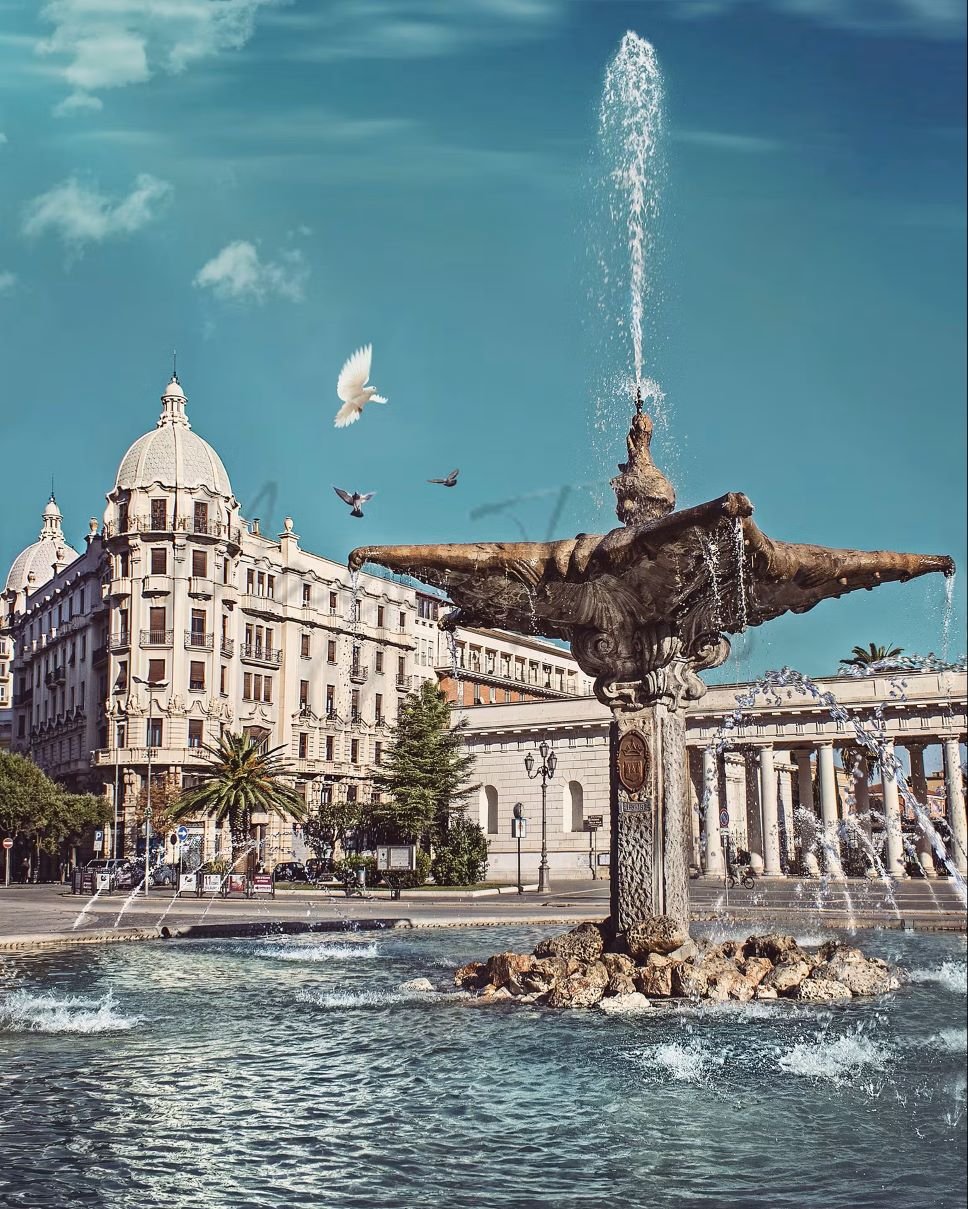
Foggia, situated in the heart of Puglia, seamlessly combines historical allure with contemporary amenities, making it attractive to expatriates and retirees. The city features a vibrant historical center, with highlights such as the Cattedrale di Foggia and the Teatro Giordano, which foster a robust sense of community. As an untouched location, Foggia showcases a lively farmers’ market that offers local produce and traditional dishes, including well-known items like beans and chicory. Although the cost of living is more affordable than in more tourist-centric areas, it’s essential to remember that English is not commonly spoken, which might create challenges for newcomers. Nonetheless, its closeness to stunning sites like the Gargano Peninsula and Tremiti Islands boosts its charm, providing numerous exploration opportunities. With budget-friendly housing and healthcare, Foggia is an appealing option for those in search of a genuine Italian lifestyle away from the tourist crowds.
✓ Pros for expats
– Mild climate with warm summers and mild winters.
– Rich cultural and historical heritage to explore.
– Affordable cost of living compared to larger cities.
– Good air quality conducive to outdoor activities.
– Developing infrastructure supports modern living.
– Integration opportunities through local community events.
– Access to quality healthcare options available.
– Less touristy, providing a more authentic experience.
– Proximity to beautiful natural landscapes and coastline.
– Local markets offer fresh produce and regional products.
! Things to consider
– Healthcare quality is notably low compared to larger cities.
– Limited public transportation options may hinder mobility.
– Job market struggles; higher unemployment than national average.
– Local educational facilities may not meet all expat needs.
– Internet connectivity issues can disrupt remote work or leisure.
– Weather can be excessively hot during summer months.
– Cultural activities may be less frequent than in tourist areas.
– Smaller expat community limits social integration opportunities.
– Limited shopping options compared to larger urban centers.
– Nightlife offerings may be quieter than in larger cities.
Where is Foggia
Getting there
Foggia can be reached via the A14 motorway, connecting it to major cities along the Adriatic coast. The town is served by two train stations, providing regional connections, with the nearest just seven minutes away. Its closeness to Karol Wojtyla and Abruzzo airports enhances its accessibility for international travel.
Housing & cost of living
Estimated cost of an 80 m² home: €83,040
Housing availability: High
Cost of living
Foggia in Puglia offers a strong case for affordability, balancing cost-effective living with moderate economic health. With an affordable rental market and manageable daily expenses, residents can navigate their finances comfortably. The town’s economic stability is reflected in its low unemployment rate and opportunities for growth, although per capita income is below the national average. Overall, prospective expatriates may find Foggia an attractive choice due to its affordability, lively local culture, and everyday conveniences.
Climate & weather
Very High (81st-90th percentile)
Low (11th-20th percentile)
Very Low (Bottom 10%)
Exceptional (Top 10%)
Foggia experiences a climate characterized by abundant sunny days and mild seasonal temperatures. Summers can get quite warm, attracting both expatriates and retirees seeking a pleasant, sun-drenched lifestyle. Winters bring a hint of chill with occasional snow but remain generally mild, making it a favorable region for those looking to escape more severe climates. Annual rainfall is moderate, ensuring that the scenery remains lush without becoming overly saturated. This well-balanced Mediterranean climate encourages outdoor pursuits and a relaxed pace of life, ideal for those captivated by the combination of traditional Italian culture and a laid-back living standard in Foggia.
Air quality & environment
Air quality rating: ★★★★★
In Foggia, Italy, the air quality is generally favorable for those contemplating relocation. The levels of particulate matter are comfortably within good ranges, indicating a minimally polluted environment. This area also shows commendable levels of nitrogen and sulfur dioxide, further enhancing its reputation for maintaining a clean air quality. However, there is a moderate concern regarding ozone levels, which occasionally classify as fair. This aspect should be noted by those with sensitivities but does not overshadow the town's overall healthy air quality. Foggia provides a reassuring environment for expatriates and retirees seeking a place with strong environmental awareness.
Healthcare & safety
Road accidents: 13.0 per 10k inhabitants.
ASL Foggia encompasses the Foggia province , including Foggia city, the Tavoliere plain, the Gargano peninsula, Manfredonia, Vieste, and the Daunia hills. It receives a composite score of 47/100, which is below the median. Hospital care (56) is the strongest aspect; community care (31) represents its main shortcoming. The Gargano resort towns contend with transfer-time challenges during the summer tourist season; the Foggia-city catchment area is manageable.
Internet & connectivity
Transport & proximity
✈️ Airports
| Airport | Drive | Score |
|---|---|---|
| Karol Wojtyla (Bari) | 59 min | 7 |
| Abruzzo Airport (Pescara) | 83 min | 7 |
| Capodichino (Naples) | 93 min | 9 |
🚂 Rail stations
| Station | Drive | Score |
|---|---|---|
| Foggia | 5 min | 9 |
| Incoronata | 11 min | 6 |
| San Severo | 29 min | 9 |
What's nearby
Life in Foggia
Neighbourhoods
– **Candelaro**: Recognized as one of the most populated districts, Candelaro is located at the city’s outskirts.
– **CEP**: Another densely populated area, CEP is one of the primary suburban neighborhoods of Foggia.
– **Borgo Croci**: Steeped in history, this district is celebrated for its cultural traditions, with residents historically referred to as “crocesi.”
– **San Lorenzo**: Found along the ancient route leading to the Roman-era church of San Lorenzo in Carminiano.
– **Camporeale**: Named after an ancient transhumance path, reflecting its historical importance.
– **Centro Storico (Cattedrale)**: The historical center has evolved into a lively nightlife district, thanks to renovations and an influx of dining and retail options.
– **Fiera**: Home to one of Europe’s largest exhibition centers, ranked just behind Verona, as well as the Parco Campi Diomedei.
Local cuisine
Foggia features a vibrant culinary landscape tied to the wider traditions of Puglia, particularly showcasing its distinct Gargano heritage. Traditional dishes prominently incorporate local ingredients, such as seafood sourced from the nearby coast, burrata cheese, grilled octopus, and orecchiette pasta with turnip greens. Diverse dining establishments reflect this heritage, offering both local specialties and international cuisines, highlighting a range of culinary influences alongside classic Italian fare. The town also boasts Michelin-rated restaurants, presenting refined dining experiences that adhere to modern culinary standards.
Where to shop
Shopping options include department stores, specialty shops, art galleries, and shopping malls. The main shopping centers provide a variety of retail experiences, while farmers markets offer fresh local produce and goods. A pedestrian-friendly area features quality boutiques catering to different tastes. Overall, the commercial landscape meets both daily needs and niche interests, serving residents and visitors alike.
Green areas & parks
Foggia in Puglia provides a variety of outdoor activities and natural attractions.
Foresta Umbra, located within Gargano National Park, features numerous hiking trails suitable for all fitness levels. The park is home to various wildlife, including deer and rare bird species, making it ideal for birdwatching. Oasi Lipu di Colle Bettino stands out as a significant bird reserve in the region.
Laghi di Lesina and Varano offer opportunities for kayaking and fishing trips.
The Dauni Mountains present hiking paths, particularly around Lago Pescara.
These areas promote eco-tourism and outdoor activities, appealing to retirees and expatriates in search of green spaces.
Education
People & tourism
Annual tourists (2023): 56,710