
Emilia-Romagna · Forlì-Cesena · Italy
Forlì
Historic center, Renaissance architecture, flourishing agribusiness, vibrant culture, and inviting community atmosphere.
At a glance
About Forlì
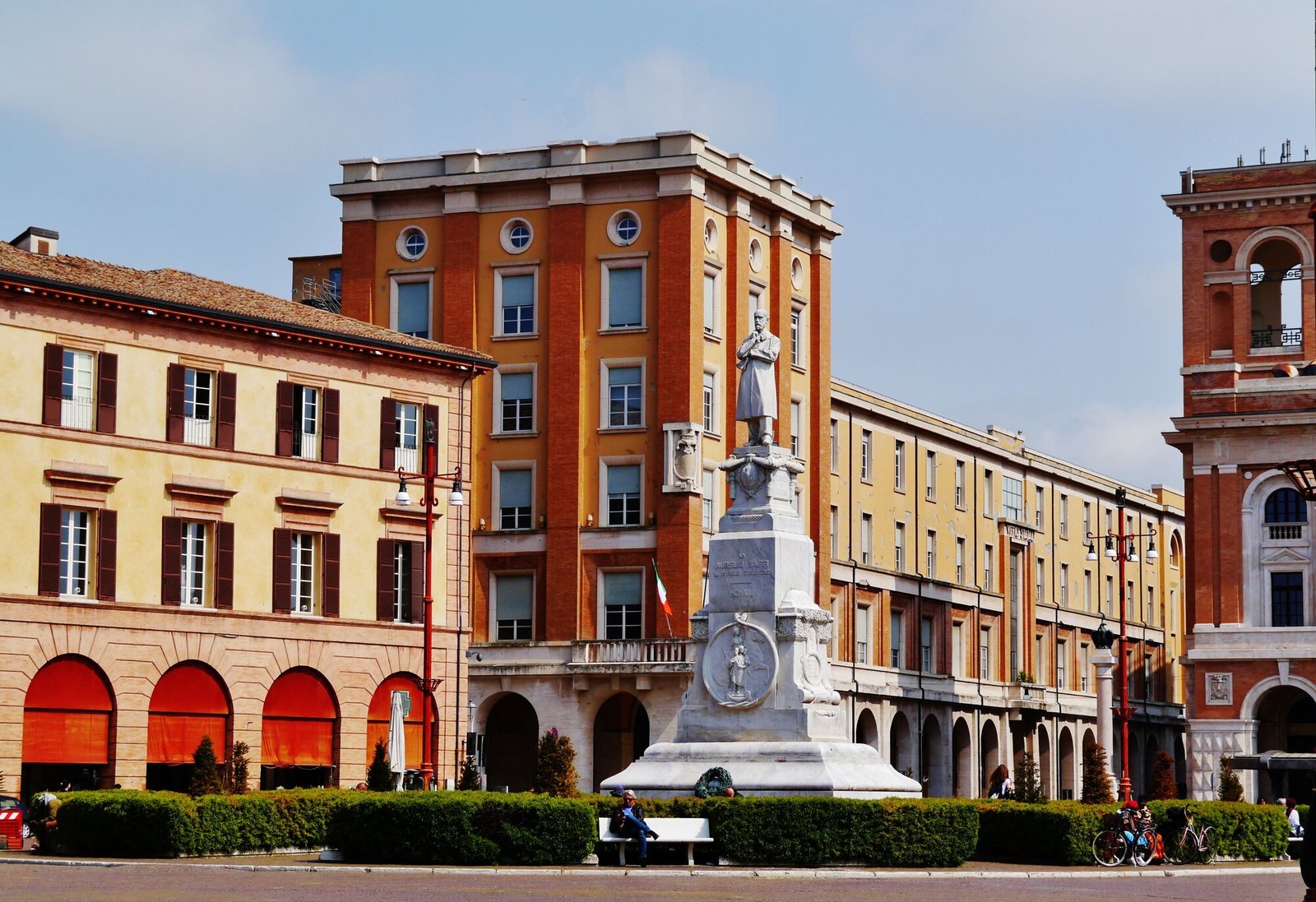
Forlì, situated in the Emilia-Romagna region, offers expats and retirees a mix of historical allure and contemporary conveniences. The town is known for its beautifully preserved historic center, featuring charming cobblestone pathways and Renaissance buildings such as Piazza Saffi and the Palazzo Comunale. Cultural venues like the San Domenico Museum showcase a rich legacy of artistry, while local gastronomy highlights classic dishes such as fresh pasta and lasagna. With a lively social scene and yearly cultural gatherings, Forlì promotes a friendly environment.
The local economy is bolstered by agribusiness, services, and aerospace sectors, although residents may encounter challenges like dependence on social cooperatives and the necessity for improved industrial research. While the town is near natural attractions, the closest beaches require some travel, which could be a drawback for some. However, Forlì’s vibrant cultural fabric and strong community spirit create a distinctive setting for expatriates seeking both peace and involvement.
✓ Pros for expats
– High-quality healthcare services available for residents.
– Excellent air quality supports a healthy lifestyle.
– Low unemployment rate boosts job opportunities.
– Non-touristic environment fosters local community integration.
– Rich cultural and historical heritage to explore.
– Good transportation links for regional connectivity.
– Mild climate enhances outdoor living year-round.
– Educational facilities cater to various age groups.
– Reliable internet connectivity for remote work needs.
! Things to consider
– Limited nightlife options may leave you craving more excitement.
– Smaller expat community can feel isolating for some newcomers.
– Language barrier may hinder full integration into local culture.
– Less diverse dining options compared to larger Italian cities.
– Less access to international brands and shopping experiences.
– Weather can be humid, especially during summer months.
– Cultural events may not be as frequent or varied.
– Public transportation may lack frequency during off-peak hours.
– Smaller healthcare facilities might limit specialized care options.
– Limited recreational facilities for sports and outdoor activities.
Where is Forlì
Getting there
Forlì can be reached via the E45 and SS67 roads, facilitating travel within the region. The nearest airport is Federico Fellini in Rimini, with Guglielmo Marconi in Bologna located further away. The town is served by two railway stations, providing decent connectivity for intercity journeys.
Housing & cost of living
Estimated cost of an 80 m² home: €124,480
Housing availability: High
Cost of living
Forlì presents a reasonable cost of living, marked by affordable housing prices and a stable economy. Although average rent and daily expenses may be somewhat higher, the town’s low unemployment rate signifies a healthier job market, benefiting potential residents. Economic prospects are enhanced by a comparatively affordable housing market when compared to larger cities, making it appealing to both expats and investors. Overall, Forlì offers solid opportunities for those contemplating relocation or investment, though careful budgeting is recommended for effective financial management.
Climate & weather
High (71st-80th percentile)
Average (41st-50th percentile)
Low (11th-20th percentile)
High (71st-80th percentile)
Forlì enjoys a temperate climate, characterized by bright, sunny days. Located in Italy, the region experiences mild winters and warm summers, perfect for those wanting to escape more extreme temperatures. The city occasionally sees snowfall in winter, creating beautiful landscapes without significant interruptions. Rainfall is spread throughout the year, promoting lush greenery and a pleasant, thriving environment. As a destination for expats and retirees, Forlì’s favorable weather encourages an active outdoor lifestyle and provides comfortable living conditions without the extremes of cold or heat.
Air quality & environment
Air quality rating: ★★★★★
Forlì, nestled in the scenic Emilia-Romagna region of Italy, generally maintains good air quality. Residents and visitors benefit from relatively low levels of nitrogen dioxide and sulphur dioxide, contributing to a more breathable atmosphere. While particulate matter (PM10) is not a major concern, ozone and smaller particles (PM2.5) exist at moderate levels, indicating occasional variations in air clarity. The town’s climate, along with proactive municipal efforts, help sustain these acceptable levels, making Forlì a favorable choice for those mindful of environmental wellness.
Healthcare & safety
Road accidents: 59.0 per 10k inhabitants.
AUSL della Romagna encompasses four provinces within a unified authority , Forlì-Cesena, Ravenna, and Rimini. The Riviera Romagnola coast, the Tuscan-Romagnan Apennines, and Ravenna city. Composite score of 58/100, ranking in the top fifth nationally. Emergency response is commendable (81), one of the highest scores in the country , important for a coast where the summer population increases fivefold. A strong service area for both residents and seasonal visitors.
Internet & connectivity
Transport & proximity
✈️ Airports
| Airport | Drive | Score |
|---|---|---|
| Federico Fellini (Rimini) | 32 min | 4 |
| Guglielmo Marconi (Bologna) | 41 min | 7 |
| Raffaello Sanzio (Ancona) | 62 min | 6 |
🚂 Rail stations
| Station | Drive | Score |
|---|---|---|
| Forlì | 2 min | 9 |
| Faenza | 22 min | 9 |
| Cesena | 26 min | 9 |
What's nearby
Life in Forlì
Neighbourhoods
– Centro storico: The historic heart of Forlì features key civic, cultural, and commercial facilities, showcasing a mix of architectural styles and historical landmarks.
– Villafranca, San Martino in Villafranca: A residential neighborhood surrounded by rural scenery, appealing due to its closeness to the countryside.
– Roncadello, Branzolino, San Tomè, Barisano: Comprising smaller communities, this area exhibits a blend of residential living and farming activities.
– Pieve Acquedotto, Durazzanino, Malmissole, Poggio, San Giorgio: Noted for its historical ties, with ancient churches and proximity to green spaces.
– Carpinello, Castellaccio, Rotta, Bagnolo, Durazzano-Borgo Sisa: This region presents a mix of suburban developments and rural vistas, providing a tranquil lifestyle.
– Pievequinta, Casemurate, Caserma: Features residential areas and serves as a hub for local businesses.
– La Selva, Forniolo, San Leonardo: Defined by small hamlets and open spaces, emphasizing a connection to nature.
– Pianta, Ospedaletto, Coriano: Offers a combination of modern and traditional housing with convenient access to local amenities.
– Foro Boario, San Benedetto: This district centers around community facilities and is recognized for its periodic markets.
– Cava, Villanova: Features residential expansions with essential transport links, supporting a suburban lifestyle.
– Romiti: Largely residential, benefiting from proximity to educational institutions and community resources.
– Resistenza: A residential area with contemporary accommodations, located near industrial developments.
– Spazzoli, Campo di Marte, Benefattori: A diverse neighborhood with green spaces and cultural amenities, enhancing its lively atmosphere.
– Musicisti, Grandi Italiani: Known for its cultural richness, it hosts various recreational and educational facilities.
– Ronco: Positioned on the outskirts, offering a blend of housing and access to rural areas.
– Bussecchio: Primarily residential, valued for its family-friendly environment and park facilities.
– Ca’ Ossi: A densely populated area with a variety of services, schools, and a strong community feel.
– Villagrappa, Castiglione, Petrignone, Ciola, San Varano, Rovere: Comprising scattered residential centers and farming lands.
– Vecchiazzano, Massa, Ladino: Mainly residential, located close to medical facilities and offering rural charm.
– San Martino in Strada, San Lorenzo in Noceto, Grisignano, Collina: Incorporates residential settings within a semi-rural environment.
– Magliano, Carpena, Ravaldino in Monte, Lardiano: Rural expansion with residential areas and notable historical sites.
Local cuisine
Forlì, located in the Emilia-Romagna region of Italy, presents a culinary experience rich in traditions and flavors. Famous for its contributions to Italian cuisine, the region is well-known for items like Parmigiano Reggiano, balsamic vinegar, and Prosciutto di Parma. Traditional local dishes include ‘Tortellini in brodo’, ‘Cappelletti romagnoli di magro’, ‘Cotechino in galera’, and ‘Zuppa Inglese’. The cuisine combines influences from both coastal and inland traditions, with lighter fare typical of Romagnolo cooking. Forlì offers a range of dining establishments that cater to both local and global tastes, including both traditional and modern options. Notable Michelin-starred restaurants like ‘Trattoria Petito’ and ‘Benso’ showcase the region’s culinary excellence.
Where to shop
In the city, residents have access to a variety of shopping choices, including shopping malls, specialty shops, art galleries, and antique stores. Supermarkets and farmers’ markets supply essential goods and fresh produce. A selection of diverse boutiques complements these larger retail spaces, catering to various preferences. Both traditional markets and modern venues enrich the shopping experience, ensuring the availability of local and international products.
Green areas & parks
Forlì, located in the Emilia-Romagna region, provides ample outdoor activities and green areas that encourage an active lifestyle. Important hiking routes include “Rocca delle Caminate – Sentiero degli Alpini 301,” a challenging 19.9-mile trek with notable elevation changes, suited for experienced hikers. The city features expansive parks such as Parco della Resistenza, an excellent location for walking and cycling, and Via dei Ciliegi Park, which is popular for picnics. Cyclists can explore paths linking Forlimpopoli to Bertinoro, meandering through picturesque vineyards and medieval landmarks.
Education
People & tourism
Annual tourists (2023): 98,032