
Calabria · Reggio Calabria · Italy
Gioia Tauro
Key economic center with a modern port, steeped in history and local traditions.
At a glance
About Gioia Tauro
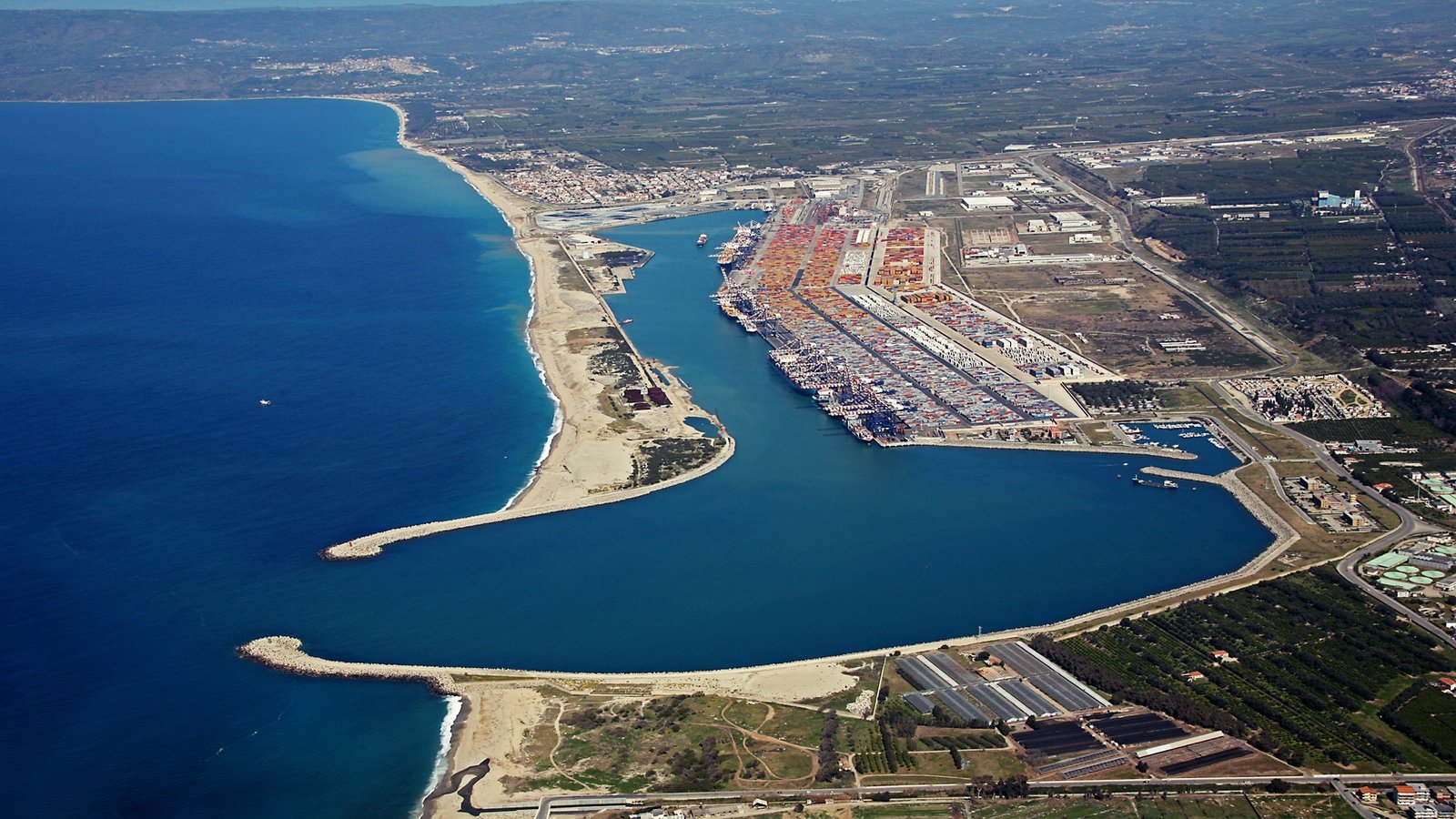
Gioia Tauro, situated in Calabria, serves as a pivotal economic center rich in cultural heritage. Renowned for its contemporary port, which was developed in the 1990s, it acts as an essential transhipment hub for maritime traffic in the Mediterranean, making it attractive for expats with a business focus. The town’s past includes traces from the ancient city of Methauros, alongside medieval structures such as the Palazzo Baldari and its archaeological museum. Cultural attractions feature the quaint church of Saint Antonio and the charming promenade filled with local restaurants serving traditional Calabrian dishes.
While Gioia Tauro showcases a vibrant economy and a welcoming coastal vibe, it does face challenges, including a lower healthcare quality ranking and variable local services. The nearby beach is only a short drive away, complemented by an average internet speed suitable for remote work. For retirees desiring a peaceful lifestyle alongside a lively local culture, Gioia Tauro presents a distinct combination, though some practical aspects should be considered.
✓ Pros for expats
– Mild Mediterranean climate year-round enhances outdoor living opportunities.
– Rich cultural and historical backdrop offers unique local experiences.
– Integration opportunities with friendly local community enhance social life.
– Affordable cost of living compared to larger Italian cities.
– Access to healthcare facilities, though quality may vary locally.
– Good air quality promotes a healthier lifestyle and well-being.
– Less touristy environment offers tranquility and authentic Italian life.
– Sufficient infrastructure supports daily commuting and transportation needs.
– Local cuisine features fresh, regional ingredients and flavors.
– Internet connectivity supports remote work and digital engagement.
! Things to consider
– Healthcare quality is low; expect challenges with serious conditions.
– Unemployment rate is higher than the national average.
– Limited educational facilities can hinder academic opportunities for children.
– Infrastructure may feel dated and not fully reliable at times.
– Internet speeds can be inconsistent despite overall decent connectivity.
– Less cultural diversity could limit international social experiences.
– Local economy struggles; fewer job prospects for newcomers.
– Limited shopping and entertainment options might feel restrictive.
– Public transportation options are fewer compared to larger cities.
– The town can be quiet,ideal for peace, but might bore.
Where is Gioia Tauro
Getting there
Gioia Tauro is reachable via the A3 highway, which links to significant regional and national routes. The closest airports are Lamezia Terme and Tito Minniti, while two nearby train stations improve rail access, both rated 7 out of 10 for convenience. The town’s infrastructure receives a score of 67 out of 100.
Housing & cost of living
Estimated cost of an 80 m² home: €28,160
Housing availability: Relatively Low
Cost of living
Gioia Tauro offers a mixed scenario for those contemplating relocation or investment. Living expenses are notably below the national average, with housing remaining affordable, as the average rental price for a studio apartment is under €200 per month. However, the local economy grapples with higher unemployment and a below-average per capita income, affecting overall purchasing power. The economic rating points to moderate stability, indicating that opportunities exist, though with caution. Ultimately, while affordability is possible, prospective residents should consider economic limitations against the advantages of a lower-cost lifestyle.
Climate & weather
Very High (81st-90th percentile)
Low (11th-20th percentile)
Average (41st-50th percentile)
Exceptional (Top 10%)
In Italy, Gioia Tauro enjoys a moderate and consistently pleasant climate ideal for expats and retirees. Residents benefit from abundant sunshine throughout the year, creating enjoyable conditions for outdoor pursuits and relaxation. Snowfall is rare, typically melting quickly, which facilitates easy access and travel. The summer months reach warm, yet bearable temperatures, while winters tend to be mild and cool. The region experiences a significant amount of rainfall annually, fostering lush local flora and supporting agriculture, which enhances the area’s natural beauty. This balanced climate makes Gioia Tauro an attractive option for those looking for a new residence with a comfortable lifestyle.
Air quality & environment
Air quality rating: ★★★★★
In Gioia Tauro, Italy, air quality generally ranks well regarding major pollutants evaluated for health and environmental effects. The atmosphere has low levels of both PM10 and PM2.5 particles, ensuring that the air remains mostly clean and clear with minimal particulate matter that could obstruct views or affect respiratory health. Levels of nitrogen and sulfur dioxide are also notably low, contributing to the overall good air condition. However, ozone levels are a minor concern, though still within a range that would not typically disrupt daily activities or enjoyment of the local atmosphere.
Healthcare & safety
Road accidents: 17.0 per 10k inhabitants.
ASP Reggio Calabria covers Reggio Calabria province , Reggio city, the Aspromonte, the Costa Viola, Locri, the Ionian Calabrian coast. Composite of 47/100, below the median. Profile is balanced. The Aspromonte interior faces long transfer times, but the coastal corridors are within reasonable reach of Reggio’s hospital. For residents on the southern Tyrrhenian Calabrian coast, cross-Strait options into Messina are sometimes used in practice.
Internet & connectivity
Transport & proximity
✈️ Airports
| Airport | Drive | Score |
|---|---|---|
| Lamezia Terme (Lamezia) | 36 min | 5 |
| Tito Minniti (Reggio Calabria) | 40 min | 6 |
| Catania Fontanarossa (Catania) | 100 min | 7 |
🚂 Rail stations
| Station | Drive | Score |
|---|---|---|
| Gioia Tauro | 6 min | 7 |
| Rosarno | 11 min | 7 |
| Palmi | 20 min | 6 |
What's nearby
Life in Gioia Tauro
Local cuisine
Gioia Tauro, located in Calabria, showcases a unique gastronomic scene spotlighting traditional dishes, especially the renowned ‘Stroncatura,’ a pasta crafted from coarsely milled durum wheat. This pasta is typically served in two styles: the ‘ammollicàta’ version, combined with anchovies, breadcrumbs, and dried tomatoes, and a spicy variant featuring ‘Nduja’,a spreadable pork salami known for its heat. The local cuisine also highlights high-quality meats, including goat and wild boar, which enhance dishes like capocollo. In terms of dining options, Gioia Tauro boasts a range of restaurants, with an increasing variety of international cuisines reflecting the town’s evolving culinary landscape. However, currently, no Michelin-starred establishments are reported within the town.
Where to shop
The shopping scene presents a variety of choices, including a major shopping center featuring diverse retail outlets from electronics to clothing, along with supermarkets for groceries. Dining options are integrated into these shopping areas, offering convenient meal solutions. The locale also includes smaller boutiques and local markets catering to varied tastes. Overall, the shopping experience is focused on practicality and variety, meeting both daily needs and unique finds.
Green areas & parks
Gioia Tauro in Calabria provides a range of outdoor activities and green spaces suitable for both expats and retirees. Key attractions include the Spiaggia di Gioia Tauro, a noteworthy beach area, and Lungomare di Gioia Tauro for seaside strolls. Parco delle Rimembranze offers a green park environment for leisurely walks. For more extensive hiking, the Aspromonte National Park is around 30 kilometers away, providing various trails and nature experiences. Horse riding enthusiasts can also find options at Starace Centro Equitazione.
Education
People & tourism
Annual tourists (2023): 3,060