
Emilia-Romagna · Ravenna · Italy
Lugo
A blend of historical significance and modern living; notable sites, excellent air quality, and a strong community.
At a glance
About Lugo
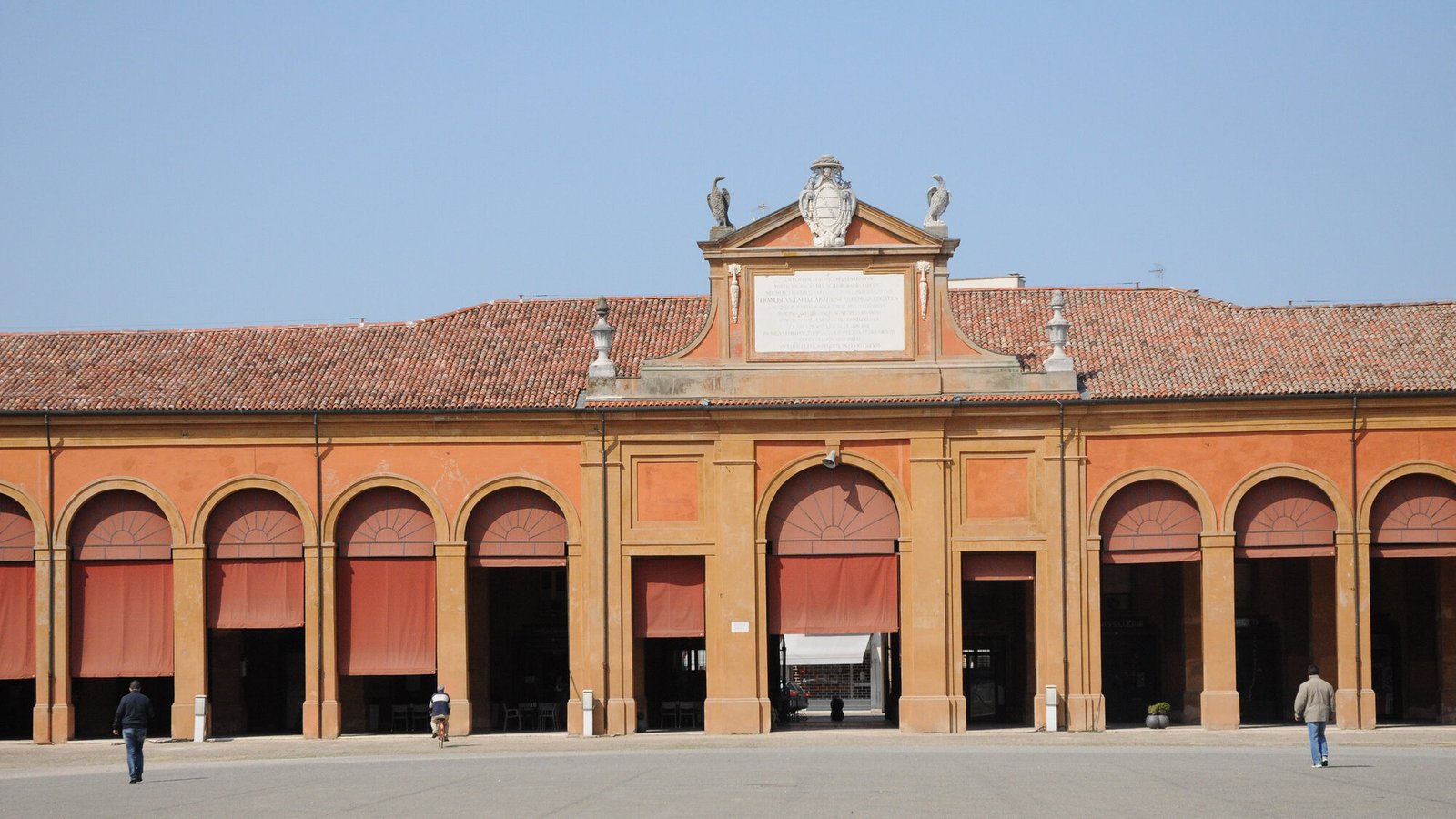
Lugo, located in Emilia-Romagna, presents a mix of historical importance and contemporary living that attracts expats and retirees. This lively town, part of the Ravenna province, features notable sites such as the Rocca Estense, a fortress from the Renaissance era, and the 18th-century Pavaglione, which continues to host a traditional market. Art lovers will appreciate the Teatro Rossini, named after the celebrated composer, along with a museum dedicated to local aviation icon Francesco Baracca, enhancing the town’s cultural scene.
While Lugo’s walkability and superior air quality contribute positively to life here, expats should be aware that the closest beaches are a 43-kilometer journey, although they offer excellent water quality. The local economy, which includes a strong focus on equestrian activities, showcases Lugo’s varied economic landscape. However, some may find the slower pace a bit challenging, particularly if they are looking for an urban lifestyle. In summary, Lugo offers a culturally vibrant atmosphere with a strong sense of community.
✓ Pros for expats
– High-quality healthcare and accessibility for residents.
– Clean air with excellent air quality ratings.
– Low unemployment rate supports economic stability.
– A rich cultural and historical setting to explore.
– Opportunities for community involvement and social interaction.
– Moderate climate suitable for living throughout the year.
– Well-connected transportation options for easy travel.
– Non-touristic atmosphere enhances local living experience.
– Adequate educational facilities for residents and families.
– Reliable internet connectivity for remote work and leisure.
! Things to consider
– Limited nightlife options for those seeking vibrant social scenes.
– Rural environment may feel isolating for some newcomers.
– Public transport frequency may be lower than in urban locales.
– Fewer international dining options compared to larger cities.
– Language barriers might pose challenges for non-Italian speakers.
– Limited entertainment venues compared to larger Italian towns.
– Weather can be humid during the summer months.
– A slower-paced lifestyle may not suit everyone.
– Few shopping choices outside of local markets and stores.
– Limited access to specialized healthcare services in the vicinity.
Where is Lugo
Getting there
Lugo is reachable via major roadways, including the SS 255, connecting it to nearby towns. The closest airports are Guglielmo Marconi Airport in Bologna and Federico Fellini Airport in Rimini. Local train stations provide reasonable connectivity, although the infrastructure may be modest.
Housing & cost of living
Estimated cost of an 80 m² home: €87,680
Housing availability: Medium
Cost of living
Lugo in Emilia-Romagna presents a complex picture of affordability. Although the cost of living is slightly lower than the national average, housing prices are relatively high, significantly affecting overall expenses. The local unemployment rate is notably low, indicating a stable job market, yet the median income appears modest in relation to housing costs. Residents encounter various monthly expenses that may challenge their budgets, especially families. Despite these difficulties, the town’s solid economic rating suggests it offers potential for investment and growth, although prospective expats should carefully consider their financial readiness before relocating.
Climate & weather
High (71st-80th percentile)
Below Average (31st-40th percentile)
Low (11th-20th percentile)
High (71st-80th percentile)
In Lugo, Italy, the climate provides a well-rounded environment, perfect for those wanting to escape harsher climates found elsewhere. The seasons present a charming variety that can delight both long-term expats and retirees looking to settle in. Winters are mild with little significant snowfall, while summers are warm yet not too hot, ensuring comfort year-round. The region enjoys plenty of sunshine, meaning overcast days are rare, and thus outdoor activities can be enjoyed frequently. Rainfall is evenly distributed throughout the year, promoting lush greenery and supporting agriculture without frequent heavy storms.
Air quality & environment
Air quality rating: ★★★★★
Lugo provides residents with a notably clean air environment, as indicated by the generally favorable assessments of its air quality components. Particulate matter, which can be a concern in urban areas, is well-managed here, with levels considered good for larger particles and fair for finer particles that can penetrate deeper into the lungs. Gaseous pollutants such as nitrogen dioxide and sulphur dioxide are also maintained at good levels, thanks to Lugo's effective environmental policies and lower industrial activity. Although ozone levels are slightly elevated, they remain within a fair range, ensuring that the air is quite suitable for outdoor endeavors.
Healthcare & safety
Road accidents: 58.0 per 10k inhabitants.
AUSL della Romagna encompasses four provinces consolidated into a single authority , Forlì-Cesena, Ravenna, and Rimini. The Riviera Romagnola coast, the Tuscan-Romagnan Apennines, and the city of Ravenna. Composite score of 58/100, placing it in the top fifth nationally. Emergency response is outstanding (81), one of the highest scores in the country , essential for a coastal area whose summer population increases significantly.
Internet & connectivity
Transport & proximity
✈️ Airports
| Airport | Drive | Score |
|---|---|---|
| Guglielmo Marconi (Bologna) | 43 min | 7 |
| Federico Fellini (Rimini) | 53 min | 4 |
| Reggio Emilia Airport (Reggio nell'Emilia) | 68 min | 1 |
🚂 Rail stations
| Station | Drive | Score |
|---|---|---|
| San Patrizio | 11 min | 6 |
| Lugo | 12 min | 7 |
| Bagnacavallo | 13 min | 6 |
What's nearby
Life in Lugo
Neighbourhoods
– The town’s historical center is a prominent area characterized by its medieval architecture, including the significant Rocca Estense, which emphasizes the area’s historical relevance.
– Parts of Lugo include Ascensione and Belricetto. These areas form part of the municipality but do not constitute formal neighborhoods.
– San Bernardino and San Lorenzo are recognized areas within Lugo’s administrative structure, often mistakenly considered neighborhoods.
– Villa San Martino and Voltana are historically regarded as sections of the broader municipal area, yet they are classified separately from internal town neighborhoods.
Local cuisine
The culinary landscape in Lugo, Emilia-Romagna, features a rich array of traditional dishes deeply rooted in the region’s agricultural heritage. Some popular local specialties include cappelletti, tortellini, gnocco fritto, tagliatelle alla Bolognese, and lasagna. These dishes often incorporate high-quality local ingredients, such as Parmigiano Reggiano, Prosciutto di Parma, and Aceto Balsamico Tradizionale di Modena. Lugo boasts a variety of dining venues, ranging from casual trattorias to more upscale restaurants, representing a diverse culinary scene that blends local flavors with international influences. Notably, Lugo does not have any Michelin-starred restaurants, but the larger Emilia-Romagna region features renowned establishments like Ristorante Marconi in Bologna, which highlights innovative takes on traditional fare. This combination of regional specialties and occasional international cuisines creates a vibrant and varied dining experience in Lugo.
Where to shop
Shopping in Lugo provides a wide variety of options, from shopping malls and art galleries to specialty and gift stores. Supermarkets offer daily necessities, while farmers markets highlight local produce and traditional products. This assortment caters to both essential needs and unique local experiences, appealing to expats and retirees seeking convenience and cultural richness.
Green areas & parks
Lugo, nestled in Emilia-Romagna, features numerous opportunities for outdoor activities and enjoyment of its green spaces. Notable parks include Loto Park, known for its significant water features and ecological diversity, and Golfera Park, which marries hydraulic functionality with natural characteristics like diverse trees and shrubs, complemented by an art installation. Hiking enthusiasts may explore trails such as the famous 1001 Miglia d’Italia route, which is suitable for biking and walking, spanning 59 miles. These areas significantly contribute to the ecological balance and cultural richness, enhancing the attractiveness for retirees and expatriates considering the region.
Education
People & tourism
Annual tourists (2023): 28,784