
Lazio · Roma · Italy
Marino
Historic town in Lazio renowned for its wine, vineyards, Grape Festival, and tranquil lake views.
At a glance
About Marino
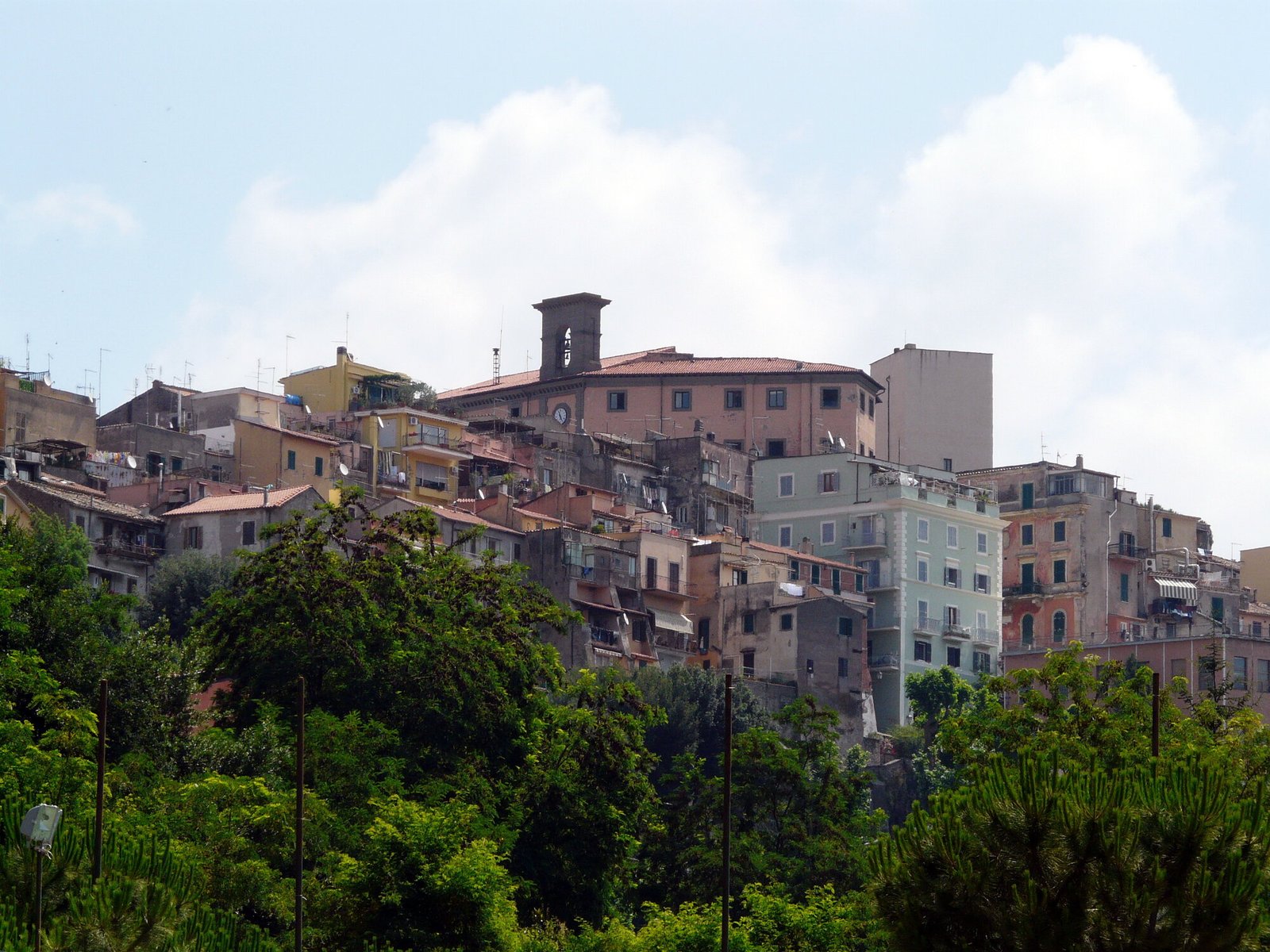
Marino, situated in the Lazio region, is a historic treasure known for its deep-rooted wine culture. Often termed the “City of Wine,” it features numerous vineyards and hosts an annual Grape Festival, where guests can partake in lively parades and sample local wines that flow from the town’s fountains. The town’s scenic setting provides tranquil views of Lake Albano and offers direct access to the great outdoors, with activities such as kayaking and biking available. Marino’s history as a Roman settlement is evident in its architectural landmarks, including the prominent Basilica of San Barnaba and the medieval Rocca Orsini.
Despite its allure, expats may encounter some challenges, such as fewer healthcare facilities compared to larger cities and a more relaxed lifestyle that might not appeal to everyone. However, its rich cultural heritage, friendly community, and traditional cuisine make Marino an attractive destination for those wishing to immerse themselves in an authentic Italian lifestyle away from the hustle and bustle of urban areas.
✓ Pros for expats
– A rich cultural and historical environment enhances the daily living experience.
– A strong community offers excellent opportunities for newcomers to integrate.
– Accessible healthcare services are reasonably rated in quality.
– Efficient transportation links to Rome and nearby regions.
– A mild climate featuring warm summers and mild winters.
– A low unemployment rate encourages economic stability and opportunities.
– Satisfactory air quality supports comfortable outdoor living.
– A quiet atmosphere, free from heavy tourist crowds and noise.
– Good infrastructure facilitates daily activities and commuting needs.
– Local amenities provide convenience for shopping and leisure activities.
! Things to consider
– Limited recreational options for those pursuing an active lifestyle.
– While healthcare is accessible, the quality could be further improved.
– Internet connectivity may not meet the demands of heavy users or remote workers.
– Local shops might lack the variety found in larger cities.
– The mild climate can lead to humid summers and chilly winters.
– Commuting to Rome may become time-consuming during peak times.
– Cultural events may occur less frequently than in larger towns.
– Nightlife options may be limited for younger or more social residents.
– Educational institutions may not cater to all international education systems.
– Some aspects of local bureaucracy may be slow and frustrating to navigate.
Where is Marino
Getting there
Marino boasts excellent connectivity, with easy access to the nearby Ciampino airport and the larger Fiumicino airport. The town is equipped with two train stations, ensuring reliable rail service. Key road connections enhance travel to Rome and nearby regions, making it convenient for both residents and visitors.
Housing & cost of living
Estimated cost of an 80 m² home: €206,160
Housing availability: Low
Cost of living
Marino, located in the Lazio region, offers a mix of affordability and challenges for prospective residents. With a lower-than-average unemployment rate and reasonable local income, residents may find themselves in a more secure financial situation compared to major urban areas. However, housing costs are notably high, indicating that while the town presents opportunities for economic stability, purchasing a home may necessitate careful financial consideration. Overall, Marino’s affordability is moderate, appealing to those seeking a blend of a charming lifestyle and the financial realities of living near Rome.
Climate & weather
Exceptional (Top 10%)
Low (11th-20th percentile)
Below Average (31st-40th percentile)
Very High (81st-90th percentile)
In Marino, Italy, residents enjoy a climate marked by distinct seasonal patterns. The town’s weather is characterized by warm summers and generally mild winters, with rare instances of snowfall that contribute to a picturesque setting. Sunshine is plentiful, allowing for an abundance of outdoor activities throughout the majority of the year. The mildness of the winters is emphasized by the relative rarity of very cold days. Rainfall is moderate and well-distributed across the seasons, ensuring lush landscapes without overwhelming wet spells. This balance of sunlight and precipitation creates an inviting environment for retirees and expats seeking a serene lifestyle in Marino.
Air quality & environment
Air quality rating: ★★★★★
Marino, Italy, offers a fairly commendable air quality situation. The town enjoys good levels of particulate matter (PM10) and nitrogen dioxide, both signs of clean air that supports daily activities and leisurely outdoor enjoyment. Although PM2.5 and ozone levels are in the fair range, requiring occasional caution for those with respiratory issues, overall air quality remains acceptable. The low sulfur dioxide levels reflect the town's clear skies. For retirees and expats desiring a location with reliable air quality, Marino stands out as a favorable option.
Healthcare & safety
Road accidents: 26.0 per 10k inhabitants.
ASL Roma 6 serves the southeastern Roman metropolitan area , including Frascati, Castelli Romani (Albano, Marino, Velletri, Genzano), Pomezia, Anzio, and Nettuno. It has a composite score of 34/100, placing it in the bottom five percent nationally , the weakest in the Lazio region. Community care is the primary weakness (28). Despite the Castelli’s reputation as a desirable residential area for Roman commuters, the AULSS data is genuinely poor; the area’s appeal is more based on its climate and closeness to Rome rather than the quality of the public health system. It is advisable to arrange supplementary private coverage upon arrival.
Internet & connectivity
Transport & proximity
✈️ Airports
| Airport | Drive | Score |
|---|---|---|
| Ciampino (Rome) | 6 min | 4 |
| Leonardo da Vinci (Rome Fiumicino) | 22 min | 10 |
| Perugia-San Francesco d'Assisi (Perugia) | 89 min | 5 |
🚂 Rail stations
| Station | Drive | Score |
|---|---|---|
| Santa Maria delle Mole | 3 min | 7 |
| Ciampino | 10 min | 8 |
| Cancelleria | 11 min | 8 |
What's nearby
Life in Marino
Neighbourhoods
– *Rione Castelletto*: A historic area known for its medieval architecture and narrow pathways.
– *Rione Santa Lucia*: Mainly a residential neighborhood with local amenities and community areas.
– *Rione Coste*: Features a combination of historic buildings and newer residential projects.
– *Quartiere Borgo Garibaldi*: A central district with shops, cafes, and residential properties.
– *Quartiere Acquasanta*: Renowned for its residential areas and proximity to local parks.
– *Quartiere Cave di Peperino*: Known for its peperino stone quarries, significant to the local economy.
– *Quartiere Villa Desideri*: Contains residential units and the large public Villa Desideri park.
– *Quartiere Vascarelle*: Primarily residential, with several local services available.
– *Quartiere Civitella*: Blends residential living with agricultural areas on its outskirts.
– *Quartiere Spigarelli* and *Quartiere Maroncelli* in Santa Maria delle Mole: Mostly residential, serving as suburban extensions of the main town of Marino.
Local cuisine
Marino, in the Lazio region of Italy, presents a vibrant culinary scene that highlights traditional Roman and regional specialties. Signature dishes include Pasta alla Carbonara, Bucatini all’amatriciana, and Cacio e Pepe, showcasing the area’s distinctive use of local ingredients like guanciale and Pecorino Romano. The town is surrounded by various dining options that reinterpret these classic recipes while also offering international cuisine, blending local tastes with global influences. However, as of recent updates, there are no Michelin-starred restaurants in Marino, indicating a focus on authentic local dining rather than high-end Michelin-rated establishments.
Where to shop
The shopping landscape in the town includes a major mall with a wide range of categories, from clothing and electronics to home furnishings and gourmet food. Boutique shops provide specialized products, while supermarkets fulfill everyday shopping needs. Additionally, local markets offer fresh produce and artisanal items, enriching the shopping experience. Overall, the area caters to diverse shopping preferences, accommodating both casual shoppers and those seeking unique finds.
Green areas & parks
In Marino, Lazio, the Parco Regionale dei Castelli Romani provides extensive green spaces suitable for hiking and outdoor pursuits. The Marino – Artena trail is well-known, covering 18.9 miles and passing landmarks such as Monte Castellaccio and the Via Francigena. This route is rated as difficult. Parco degli Acquedotti offers another location for outdoor lovers to explore the Roman Aqueducts. The region is ideal for cycling and nature activities, making it a great choice for those seeking active outdoor experiences near historical and natural sites.
Education
People & tourism
Annual tourists (2023): 21,977