
Lombardia · Milano · Italy
Milano
A vibrant hub with a diverse expat community, famous for its fashion, design, and cultural legacy.
At a glance
About Milano
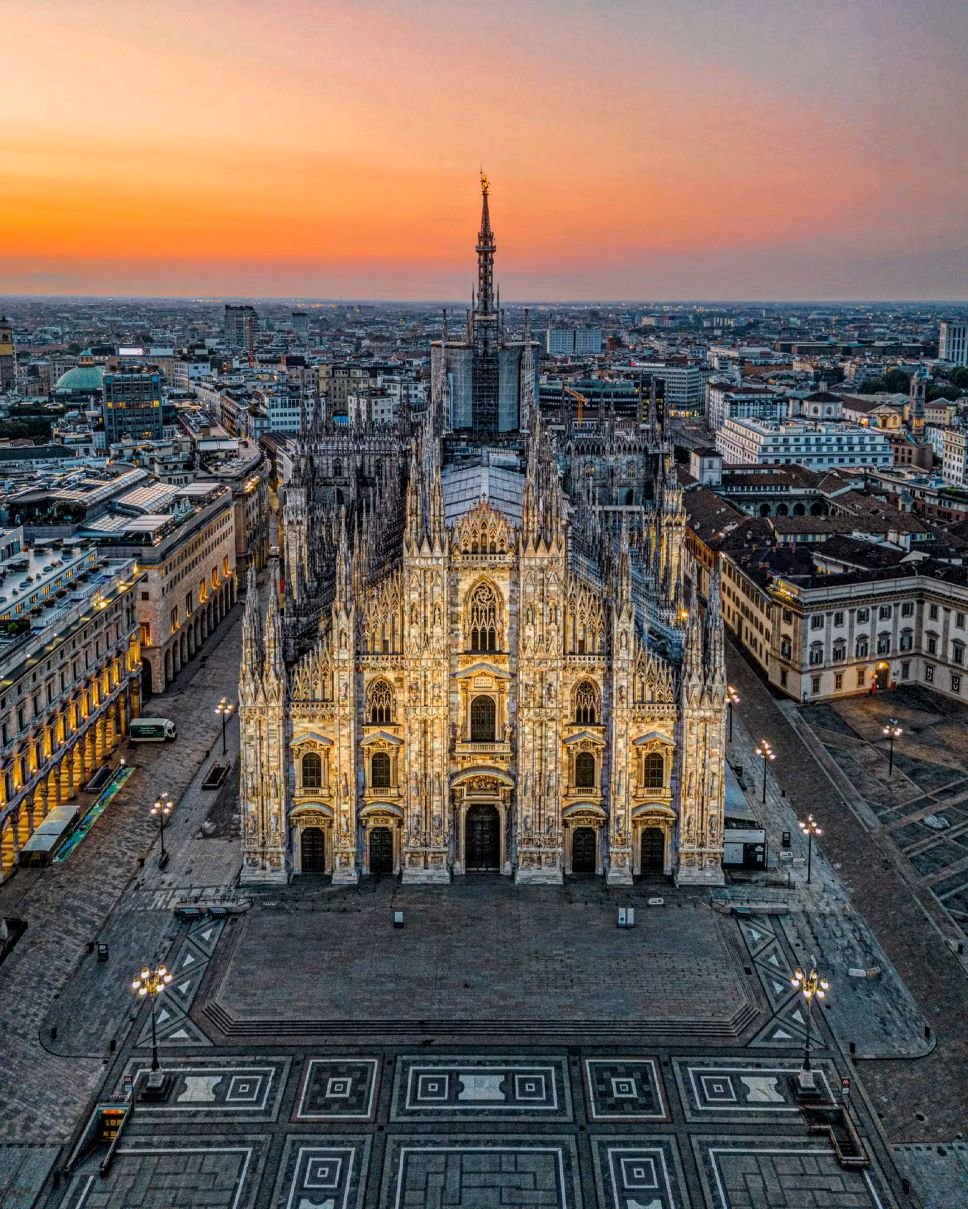
Milan, the lively capital of Lombardy, serves as a bustling center celebrated for its diverse cultural fabric and significant industries. This metropolitan city, well-known for its outstanding fashion and design scene, draws a varied expatriate population, which makes up nearly twenty percent of its residents. Major attractions consist of the renowned Duomo di Milano, the historic Sforzesco Castle, and the artistic heritage of Leonardo da Vinci, particularly his famous work, The Last Supper. Milan flourishes in a merit-based work culture, appealing to both entrepreneurs and professionals. However, obstacles remain; particularly, the intricacies of the healthcare systems and the Italian job market can be challenging, especially for non-EU nationals encountering permit difficulties. Language challenges may hinder everyday communications, and some areas are discouraged due to increased crime rates. Despite these issues, Milan’s vast cultural offerings and strong global presence enhance its appeal for expatriates and retirees.
✓ Pros for expats
– High-quality healthcare services available throughout the city.
– Extensive public transportation network for easy city navigation.
– Strong economic opportunities and low unemployment rate.
– Mild climate with warm summers and cool winters.
– Rich cultural and historical heritage to explore.
– Diverse international community for social integration.
– Well-respected educational institutions for all ages.
– Reliable internet connectivity throughout the town.
– Vibrant arts scene with numerous museums and galleries.
– Proximity to beautiful northern Italian landscapes and lakes.
! Things to consider
– Air quality often falls below optimal levels for health.
– High cost of living, especially for housing and dining.
– Busy urban lifestyle may overwhelm those seeking tranquility.
– Traffic congestion can turn commutes into lengthy adventures.
– Some areas lack green spaces for relaxation and recreation.
– Weather can be humid and uncomfortable during summer months.
– Occasional tourist crowds can disrupt local life and routines.
– Public services can be slow to respond during peak times.
– Cultural differences can be challenging for newcomers to navigate.
– Local dialects may complicate communication with residents.
Where is Milano
Getting there
Milano features exceptional connectivity, with Linate Airport located a short distance away, complemented by Malpensa Airport. Major roadways include the A1 and A4 highways, facilitating travel to both northern and southern Italy. The town’s train stations provide efficient connections to the broader region, contributing to a strong infrastructure rating.
Housing & cost of living
Estimated cost of an 80 m² home: €439,280
Housing availability: High
Cost of living
Milano presents a multifaceted view of affordability for prospective expats and investors. While the city enjoys a low unemployment rate and a robust economic landscape, the cost of living can be a challenge against the backdrop of its significant housing market, where property values are notably high. Daily living expenses, although feasible for many, necessitate careful consideration of housing costs, particularly for those contemplating relocation. Public transport is reasonably priced, but grocery and dining costs can become burdensome. Overall, while Milano offers economic prospects, its affordability can pose a dilemma, demanding thoughtful financial planning.
Climate & weather
Below Average (31st-40th percentile)
Average (41st-50th percentile)
High (71st-80th percentile)
Average (41st-50th percentile)
Milano’s climate offers a balanced mix of Mediterranean and continental elements. Winter months may bring short spells of snow and the occasional frosty morning, tempered by relatively mild periods. Summers in Milano are warm, reaching their peak with agreeably hot days, ideal for enjoying the city’s vibrant outdoor culture. Transitional seasons are particularly pleasant, marked by a gentle warmth and ample sunlight, which graces the city for much of the year. Rainfall is spread evenly, refreshing the city without excessive downpours, ensuring that both residents and visitors can enjoy much of what Milano has to offer, irrespective of the season.
Air quality & environment
Air quality rating: ★★★★★
In Milano, the air quality displays mixed characteristics, essential for individuals considering this vibrant city as their potential home. Particle pollution, indicated by PM10 and PM2.5 levels, typically falls within the 'Fair' to 'Moderate' range, suggesting occasional concerns that may require attention during high-density times. Meanwhile, measurements for nitrogen dioxide and sulphur dioxide generally fall into the 'Good' category, reflecting less frequent interference with daily activities. Ozone levels also fall under a 'Fair' classification, indicating sporadic increases that might affect outdoor activities. Collectively, these factors suggest a relatively balanced atmosphere with occasional fluctuations that merit consideration.
Healthcare & safety
Road accidents: 31.0 per 10k inhabitants.
ATS Città Metropolitana di Milano oversees Milan and its metropolitan area. A composite score of 52/100 places it just above the national median , a fact that may surprise readers who associate Milan with excellence in Italian healthcare. The renowned Milanese teaching hospitals (San Raffaele, Niguarda, Humanitas, IEO) operate outside the AULSS structure and cater to patients from all over Italy; AGENAS evaluates the territorial AULSS system, where Milan is functional but not extraordinary. Community care (40) stands out as a weakness , high avoidable-hospitalization rates for chronic conditions demonstrate a primary care system that has not kept pace with the city’s acute capacity.
Internet & connectivity
Transport & proximity
✈️ Airports
| Airport | Drive | Score |
|---|---|---|
| Linate (Milan) | 25 min | 7 |
| Malpensa (Milan) | 32 min | 10 |
| Orio al Serio (Bergamo) | 37 min | 7 |
🚂 Rail stations
| Station | Drive | Score |
|---|---|---|
| Milano Centrale | 13 min | 10 |
| Milano Porta Garibaldi (superficie) | 9 min | 9 |
| Milano Rogoredo | 22 min | 9 |
What's nearby
Life in Milano
Neighbourhoods
– Historical Centre: Encompassing the Duomo and La Scala, this area is rich in historical architecture and cultural institutions, making it perfect for those with a passion for heritage.
– Brera: Renowned for its artistic vibe, Brera is home to the Pinacoteca di Brera, a must-visit for art lovers. It is regarded as a culturally vibrant area.
– Navigli: Well-known for its canals and nightlife, Navigli presents a lively atmosphere, merging old-world charm with modern urban living.
– Porta Venezia: A cosmopolitan neighborhood showcasing Liberty-style architecture, Porta Venezia is also celebrated for its shopping options and LGBTQ+ friendly community.
– Isola: Located near the business district, Isola is defined by modern developments and appeals to professionals seeking proximity to their workplaces.
– Porta Romana: Noted for its thermal baths and historical gates, Porta Romana is a sought-after residential district featuring a mix of traditional and modern amenities.
– City Life: A blend of residential, commercial, and public spaces, City Life showcases contemporary architecture and is designed for those who appreciate the latest urban planning trends.
Local cuisine
The food scene in Milano, Lombardia, is a rich blend that showcases both traditional Italian flavors and international influences. Milanese cuisine is famous for its signature dishes: Risotto alla Milanese, known for its creamy consistency and saffron taste, is a must-try, along with the iconic Cotoletta alla Milanese, a breaded veal cutlet. Other notable dishes include Buseca (tripe with beans), Cassoeula (a hearty cabbage and pork stew), and the sweet Panettone, especially enjoyed during the holiday season. The city’s dining options are diverse, featuring a mix of traditional trattorias and modern bistros catering to various palates, including international cuisine. Notably, Milan has a thriving fine dining scene, boasting 23 Michelin-starred restaurants, including the prestigious three-star Enrico Bartolini al Mudec, which showcases contemporary Italian cuisine with a creative twist. This remarkable dining environment not only highlights the rich culinary heritage of the region but also embraces global culinary trends, ensuring a vibrant gastronomic experience.
Where to shop
The shopping landscape features upscale luxury boutiques, artisan workshops, and concept stores. Major shopping centers include historic venues like a well-known shopping mall, offering a mix of designer and contemporary brands. Department stores provide a wide array of products, while lively districts showcase thrift, vintage shops, and stylish street boutiques. Weekly markets present opportunities for unique discoveries, paired with a varied culinary selection in local food markets.
Green areas & parks
Milan provides a range of outdoor activities and green spaces. Notable parks include Sempione Park, centrally located and featuring architectural landmarks and museums. The BAM – Biblioteca degli Alberi offers botanical species and public events, while Parco Nord boasts extensive trails and sports courts. Villa Litta Park includes soccer and basketball facilities. Boscoincittà and Parco Forlanini are favored spots for picnics and jogging. Additionally, City Life Park serves as an open-air contemporary museum. These areas are accessible via Milan’s metro and bus networks, linking the dynamic city life with expansive green retreats.
Education
People & tourism
Annual tourists (2023): 5,710,400