
Sicilia · Ragusa · Italy
Modica
Famous for Baroque architecture, chocolate making, agriculture, and cultural festivals; commuting can be challenging.
At a glance
About Modica
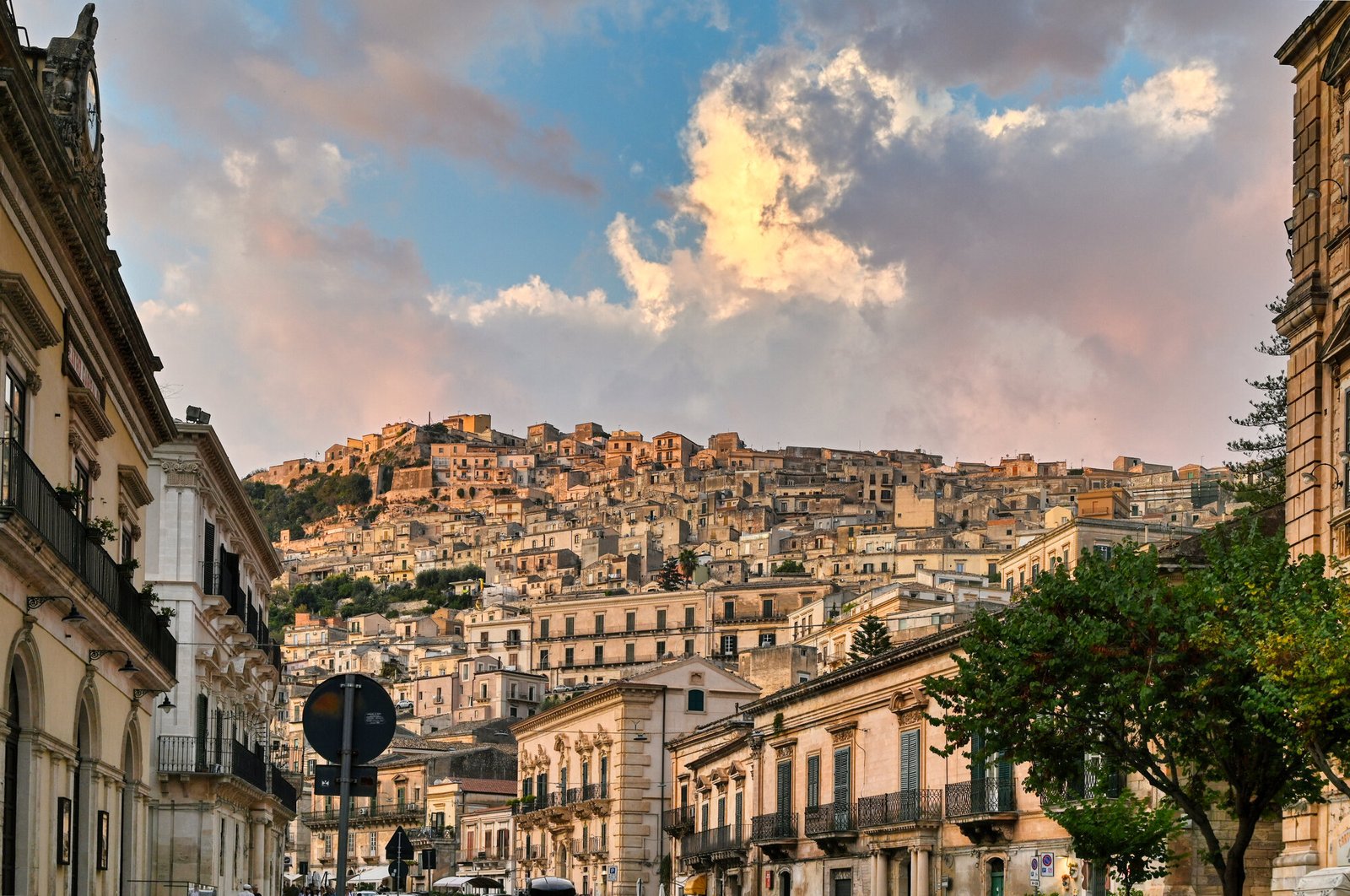
Modica, a delightful town in Sicily, is celebrated for its exquisite Baroque architecture and rich historical narrative. Nestled in the southeastern region of the island, it features a mild climate, significant landmarks like the Cathedral of San Giorgio, and a vibrant local culture that embraces traditions such as chocolate production. The town primarily thrives on agriculture and artisanal food industries, drawing in those keen on genuine Italian culinary adventures. Modica is also home to numerous festivals that honor its cultural heritage.
Nevertheless, expatriates may encounter some difficulties. The local administrative processes can be quite tedious, and public transportation can be inconsistent, necessitating the use of private vehicles for everyday travel. Moreover, accessing basic services like shopping may require a drive, given the town’s limited walkability. Language barriers may also pose challenges, as English is not commonly spoken. These elements can influence the authentic Sicilian experience, yet the town’s charm often lies in its unique cultural identity.
✓ Pros for expats
– High-quality healthcare services available for residents.
– Mild climate ideal for year-round outdoor activities.
– Rich cultural and historical heritage to explore.
– Opportunities for integration into the local community.
– Affordable cost of living compared to larger cities.
– Unique culinary experiences, especially famous chocolate.
– Scenic landscapes with stunning views and nature nearby.
– Moderate tourism ensures a balance of tranquility and activity.
– Accessible public transportation options for nearby travel.
– Growing digital infrastructure for reliable internet connectivity.
! Things to consider
– Limited job opportunities for newcomers not in tourism or agriculture.
– Air quality could be better for those with respiratory issues.
– Public transportation may not be as frequent as desired.
– Infrastructure improvements needed for smoother day-to-day activities.
– Digital infrastructure still developing; occasional connectivity hiccups expected.
– Language barrier might hinder full community integration.
– Hot summers; prepare for the heat,even gelato can’t help!
– Local shop hours vary; spontaneity can lead to disappointment.
– Educational facilities may not meet all international standards.
– Some may find the pace of life too slow.
Where is Modica
Getting there
Modica can be reached via the A18 motorway, which connects it to Catania and Siracusa. The closest airports are Catania Fontanarossa and Tito Minniti in Reggio Calabria. Additionally, there are two nearby train stations that provide moderate connectivity. The overall rating for the town’s infrastructure stands at 54 out of 100.
Housing & cost of living
Estimated cost of an 80 m² home: €66,640
Housing availability: High
Cost of living
Modica, Sicily, provides a remarkably affordable lifestyle, with living expenses approximately 2% lower than the national average, making it an appealing choice for expats and investors. The real estate market is particularly accessible, with median property prices being quite reasonable, facilitating easier home ownership opportunities. Although the town’s economic health is marked by a satisfactory unemployment rate and positive income projections, the average economic rating indicates moderate growth potential. Overall, Modica emerges as a location where one can enjoy a quality lifestyle with manageable daily costs and potential for economic stability.
Climate & weather
Exceptional (Top 10%)
Very Low (Bottom 10%)
Very Low (Bottom 10%)
Exceptional (Top 10%)
Modica enjoys a Mediterranean climate, marked by gentle winters and warm, sunny summers. The town basks in a wealth of sunshine year-round, ensuring clear skies for most days. Rainfall is moderate and primarily occurs during the cooler months, keeping the surroundings lush without overwhelming precipitation. Despite its southern position, Modica can occasionally experience a light dusting of snow, providing a brief, magical contrast to its generally temperate climate. Perfect for retirees and expats seeking a pleasant climate throughout the year, Modica presents a tranquil setting with minimal temperature variations, encouraging a comfortable lifestyle and leisure activities.
Air quality & environment
Air quality rating: ★★★★★
In Modica, Italy, residents benefit from generally good air quality. Levels of pollutants such as nitrogen dioxide and sulphur dioxide are low enough to be classified as good. Particularly noteworthy is the quality concerning more coarse particulate matter (PM10), which also falls into the good category. However, finer particles (PM2.5) and ozone concentrations present a fair rating, indicating occasional instances where sensitive individuals might notice some impact, though it remains manageable for the majority of the population. This environment contributes to a comfortable setting suitable for both long-term living and leisure, aligning with expectations for a peaceful retirement atmosphere.
Healthcare & safety
Road accidents: 35.0 per 10k inhabitants.
ASP Ragusa covers Ragusa province , Ragusa city, Modica, Scicli, Vittoria, the south-eastern Sicilian corner. Composite of 49/100, around the median. Profile is balanced. Workable catchment; less strong than Enna or Agrigento but better than coastal Sicily elsewhere.
Internet & connectivity
Transport & proximity
✈️ Airports
| Airport | Drive | Score |
|---|---|---|
| Catania Fontanarossa (Catania) | 75 min | 7 |
| Tito Minniti (Reggio Calabria) | 150 min | 6 |
| Falcone Borsellino (Palermo) | 173 min | 9 |
🚂 Rail stations
| Station | Drive | Score |
|---|---|---|
| Modica | 11 min | 6 |
| Rosolini | 13 min | 5 |
| Pozzallo | 18 min | 6 |
What's nearby
Life in Modica
Neighbourhoods
– Modica Alta: Historically significant area located in the northern parts, known for its vibrant community.
– Modica Bassa: Recognized for its historical reconstruction after the 1693 earthquake, this neighborhood contains many important historical sites.
– Quartiere Cartellone: Once the Jewish quarter, this is now one of the largest and most populated neighborhoods.
– San Giovanni: A historic district featuring notable architecture and cultural relevance.
– Santa Teresa: Also known as Pianta, this historic neighborhood has its own unique local characteristics.
– Castello: A historic zone recognized for its cultural contributions.
– San Giorgio: A prominent district with significant historical landmarks.
– Centro Storico: The historical center, rebuilt after the 1693 earthquake, includes Modica Alta and Bassa, rich in architectural heritage.
Local cuisine
Modica’s culinary landscape is known for its rich heritage of local dishes and diverse dining options. The town is particularly famous for its distinctive chocolate, referred to as the Chocolate of Modica, made using ancient Aztec techniques. Traditional Sicilian seafood meals are widely available in various eateries around the town, showcasing fresh, local produce. The restaurant scene presents a wide range of choices, from casual diners serving rustic dishes to upscale venues where chefs innovate on classic cuisine. International influences are evident, reflecting Sicily’s historical trading routes. Among the dining choices, Accursio Ristorante stands out with its Michelin star, highlighting the high culinary standards in Modica. This restaurant combines flavors from various Sicilian regions, providing guests with a refined dining experience. Overall, Modica’s culinary environment is an engaging mix of tradition and modernity, appealing to both locals and international guests.
Where to shop
The town features a varied shopping scene, including historical boutiques, modern fashion stores, supermarkets, and artisan shops. Key areas encompass the commercial center, which hosts department stores and shopping complexes, while local markets offer fresh fruits and regional specialties. The main shopping avenue includes a blend of designer shops and traditional culinary stores, showcasing local favorites like chocolate. A range of crafts and handmade souvenirs are available, especially in the historical center, catering to tourists in search of authenticity.
Green areas & parks
Modica, located in Sicily, offers numerous outdoor activities that appeal to expats and retirees. Notable trails include the Cava dei Servi loop, a 7-kilometer route known for its accessibility, and the Catacomba della Larderia – Cava d’Ispica loop, which presents a more intermediate challenge over 5.68 kilometers. Additional trails, such as the Castello dei Conti loop, provide a scenic 8-kilometer exploration of the area’s historical architecture. These paths highlight Modica’s unique landscapes, blending natural beauty with cultural heritage. Furthermore, the Parco Urbano Padre Basile serves as a central green space for leisurely outdoor activities.
Education
People & tourism
Annual tourists (2023): 65,979