
Lazio · Roma · Italy
Monterotondo
Historical allure, contemporary amenities, excellent transport connections, vibrant culture, quality healthcare, welcoming community.
At a glance
About Monterotondo
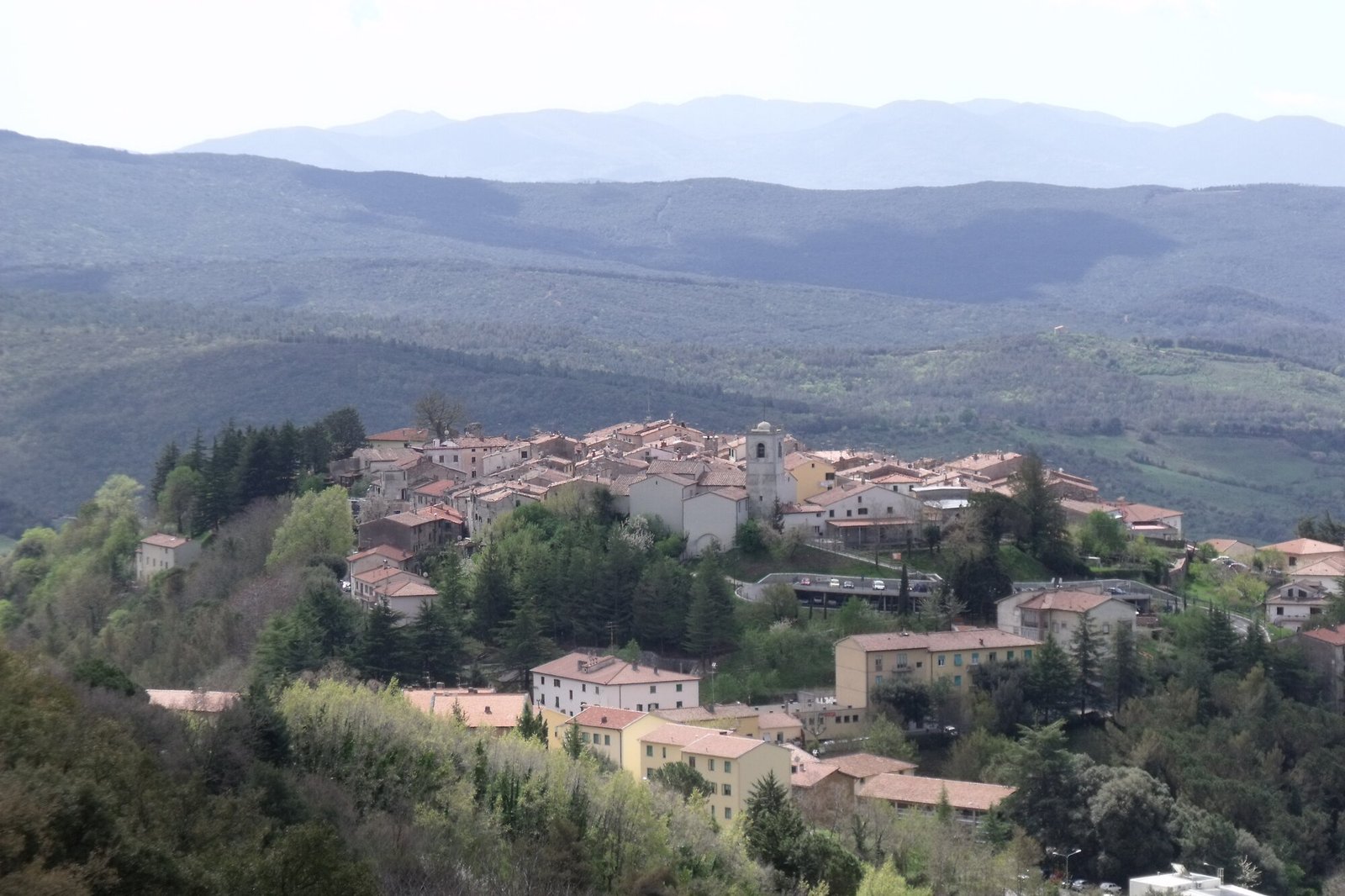
Monterotondo, located in the Lazio region of Italy, combines historical allure with contemporary amenities, making it an appealing option for expatriates and retirees. With superb transport connections to Rome, the town caters to those who enjoy urban proximity while seeking a more serene lifestyle. Its lively local culture is showcased through various festivals and events that honor its rich history. Although the healthcare services in Monterotondo are well-regarded, residents need to be aware of elevated crime rates that could influence feelings of safety. The town enjoys abundant sunshine and mild winters, promoting outdoor activities, though reaching the beaches requires a brief drive. Despite a few challenges, including limited cycling options, Monterotondo’s welcoming community and availability of English-speaking services render it a desirable destination for newcomers eager to dive into Italian life.
✓ Pros for expats
– High-quality healthcare and access to medical facilities.
– Good air quality contributing to a healthy living environment.
– Low unemployment rate supporting a stable local economy.
– Convenient transport links to nearby cities and regions.
– Rich cultural and historical heritage to explore and enjoy.
– Opportunities for community integration and social engagement.
– Moderate climate with pleasant weather year-round.
– Quiet, non-touristy atmosphere ideal for relaxation and living.
– Sufficient educational facilities for all age groups.
– Reliable internet connectivity for remote work and communication.
! Things to consider
– Limited nightlife options for those seeking vibrant entertainment.
– Smaller town may lack amenities found in larger cities.
– Public transportation may not be frequent enough for everyone.
– Some may find the pace of life too slow.
– Fewer dining options compared to larger urban areas.
– Limited shopping choices for specific international products.
– Language barriers could pose challenges for non-Italian speakers.
– Cultural activities may not cater to all interests.
– Seasonal weather can lead to occasional discomfort.
– Country living might feel isolating for some expats.
Where is Monterotondo
Getting there
Monterotondo benefits from accessible transport links, located near the A24 and A1 motorways, which facilitate road travel. Two nearby train stations enhance connectivity, both performing well in transport metrics. The town is also served by two airports, Ciampino and Fiumicino, ensuring international access.
Housing & cost of living
Estimated cost of an 80 m² home: €150,240
Housing availability: Low
Cost of living
Monterotondo presents a varied picture of affordability for prospective expats and investors. While the cost of living is below the national average, housing affordability can pose challenges, with property prices reflecting a competitive market. The local economic landscape shows stability with low unemployment rates, indicating decent job opportunities. However, factors like safety concerns and some higher costs might deter long-term commitment. In summary, Monterotondo can be viewed as a moderately affordable option, tempered by certain economic and living quality challenges.
Climate & weather
Exceptional (Top 10%)
Low (11th-20th percentile)
Somewhat Low (21st-30th percentile)
Very High (81st-90th percentile)
Monterotondo, Italy, features a temperate climate that harmoniously merges moderate warmth with ample sunshine. The town receives a moderate amount of rainfall each year, ensuring verdant landscapes without excessive moisture. Winters are typically mild, with occasional snowfall that briefly covers the area, creating charming scenes reminiscent of northern Italian winters. Summer temperatures can rise high but are rarely oppressive, allowing for active outdoor pursuits. This climate balance makes Monterotondo an attractive location for expats and retirees from the Italy Move readership, providing an environment conducive to relaxation and enjoyment of nature.
Air quality & environment
Air quality rating: ★★★★★
Monterotondo's air quality generally reflects positive indices, contributing significantly to the town's calm and welcoming atmosphere. Positioned near Italy's bustling capital, Monterotondo manages to sustain commendable levels of nitrogen dioxide and sulfur dioxide, indicative of a relatively pollutant-free environment. However, particulate matter presents a more mixed scenario with PM2.5 levels receiving a fair rating, suggesting moderate caution for those sensitive to airborne particles. Ozone levels are similarly rated as fair, recommending slight vigilance particularly during high-temperature periods that may elevate concentrations. Overall, Monterotondo presents a breathable environment that encourages outdoor activities and leisurely living.
Healthcare & safety
Road accidents: 19.0 per 10k inhabitants.
ASL Roma 5 oversees the eastern Roman metropolitan area , Tivoli, Guidonia, Palestrina, Subiaco, and the Aniene valley. With a composite score of 38/100, it ranks in the bottom decile nationally. The profile is weak across all three pillars, lacking any standout attributes. The growth of the eastern ring suburbs has outpaced the AULSS infrastructure, prompting residents in this region to consider supplementary private coverage and expect to use hospitals in Roma 1 or 2 for specialized care.
Internet & connectivity
Transport & proximity
✈️ Airports
| Airport | Drive | Score |
|---|---|---|
| Ciampino (Rome) | 31 min | 4 |
| Leonardo da Vinci (Rome Fiumicino) | 32 min | 10 |
| Perugia-San Francesco d'Assisi (Perugia) | 73 min | 5 |
🚂 Rail stations
| Station | Drive | Score |
|---|---|---|
| Monterotondo-Mentana | 6 min | 7 |
| Piana bella Di Montelibretti | 10 min | 6 |
| Fara Sabina-Montelibretti | 17 min | 7 |
What's nearby
Life in Monterotondo
Neighbourhoods
– **Centro Storico**: Situated at the center of Monterotondo, this historic area features architectural landmarks and narrow streets typical of traditional Italian towns.
– **Santa Maria**: This neighborhood is recognized for its residential developments and community amenities, striking a balance between modern living spaces and recreational facilities.
– **San Rocco**: Mainly residential, San Rocco provides essential services and is noted for its closeness to educational institutions.
– **Cappucini**: This area serves as a residential hub, offering a variety of housing options, from apartments to family homes.
– **Crocetta**: Known for its residential appeal, Crocetta features both single-family homes and multi-unit dwellings.
– **Spineti**: A primarily residential area showcasing recent developments and convenient access to local shops.
– **Tufarelle**: Characterized by a suburban ambiance, Tufarelle presents a mix of detached houses and smaller retail establishments.
– **La Fonte**: Recognized for its peaceful residential environment, this neighborhood integrates housing with natural surroundings.
– **San Matteo**: Offers a combination of apartments and local businesses, catering to varied living preferences.
– **San Luigi**: This residential area is distinguished by its blend of houses and apartments within a suburban context.
– **San Martino**: Features residential properties and community-oriented amenities, making it suitable for families.
– **Monterotondo Scalo**: An industrial and commercial center, providing numerous job opportunities and retail outlets.
– **Montegrappa**: A residential district that includes spacious green areas and facilities geared towards families.
– **Pie’ di Costa**: Largely residential, Pie’ di Costa is known for its roomy housing options and community parks.
– **Zona Industriale**: Houses a variety of industrial establishments, playing a vital role in Monterotondo’s economy.
– **Tor Mancina**: Recognized for its industrial presence, incorporating manufacturing and logistics enterprises.
– **Borgonuovo**: An emerging residential neighborhood featuring new housing developments and associated facilities.
Local cuisine
Monterotondo, situated in the Lazio region of Italy, features a vibrant culinary scene that reflects both traditional Roman influences and local specialties. The typical local fare includes hearty dishes such as abbacchio (roast lamb), porchetta, and various rabbit preparations. Moreover, pasta holds a central position in the local diet, with classic recipes like gnocchi and regional adaptations of carbonara. Dining in Monterotondo is diverse, with many trattorias and ristorantes serving authentic local cuisine, while also catering to international palates through pizzerias and multicultural eateries. Among notable dining establishments, ‘Trattoria della Fortuna’ is recognized for its genuine take on traditional cooking. Overall, Monterotondo’s food scene offers a delightful mix of local favorites and global tastes, enriching the dining experience for both residents and visitors.
Where to shop
The shopping scene in the area features a blend of supermarkets, local boutiques, and a prominent shopping center that addresses varied retail needs. Supermarkets provide essential grocery items, while boutiques offer unique fashion and artisan goods. Additionally, a significant shopping venue accommodates a multitude of stores, ensuring a broad selection of consumer goods, from clothing to electronics. Weekly markets also enhance the local shopping experience, presenting fresh produce and local delicacies, thus adding to the lively retail atmosphere for residents and visitors alike.
Green areas & parks
Monterotondo offers well-regarded locations for outdoor enthusiasts. The Riserva Naturale Macchia di Gattaceca e Macchia del Barco, celebrated for its wildlife and wooded areas, provides pleasant walking paths and opportunities for nature exploration. Another key site is the Monumento Naturale “Cave di Monterotondo Scalo,” which attracts those interested in geological features. For keen hikers, the Via di Francesco trail offers a challenging yet rewarding 18-mile route from Monterotondo to Ponticelli di Scandriglia, incorporating sections of the historical pilgrimage route associated with St. Francis.
Education
People & tourism
Annual tourists (2023): 32,673