
Puglia · Brindisi · Italy
Ostuni
Hilltop town in Puglia with white buildings, olive groves, beaches, and an affordable cost of living.
At a glance
About Ostuni
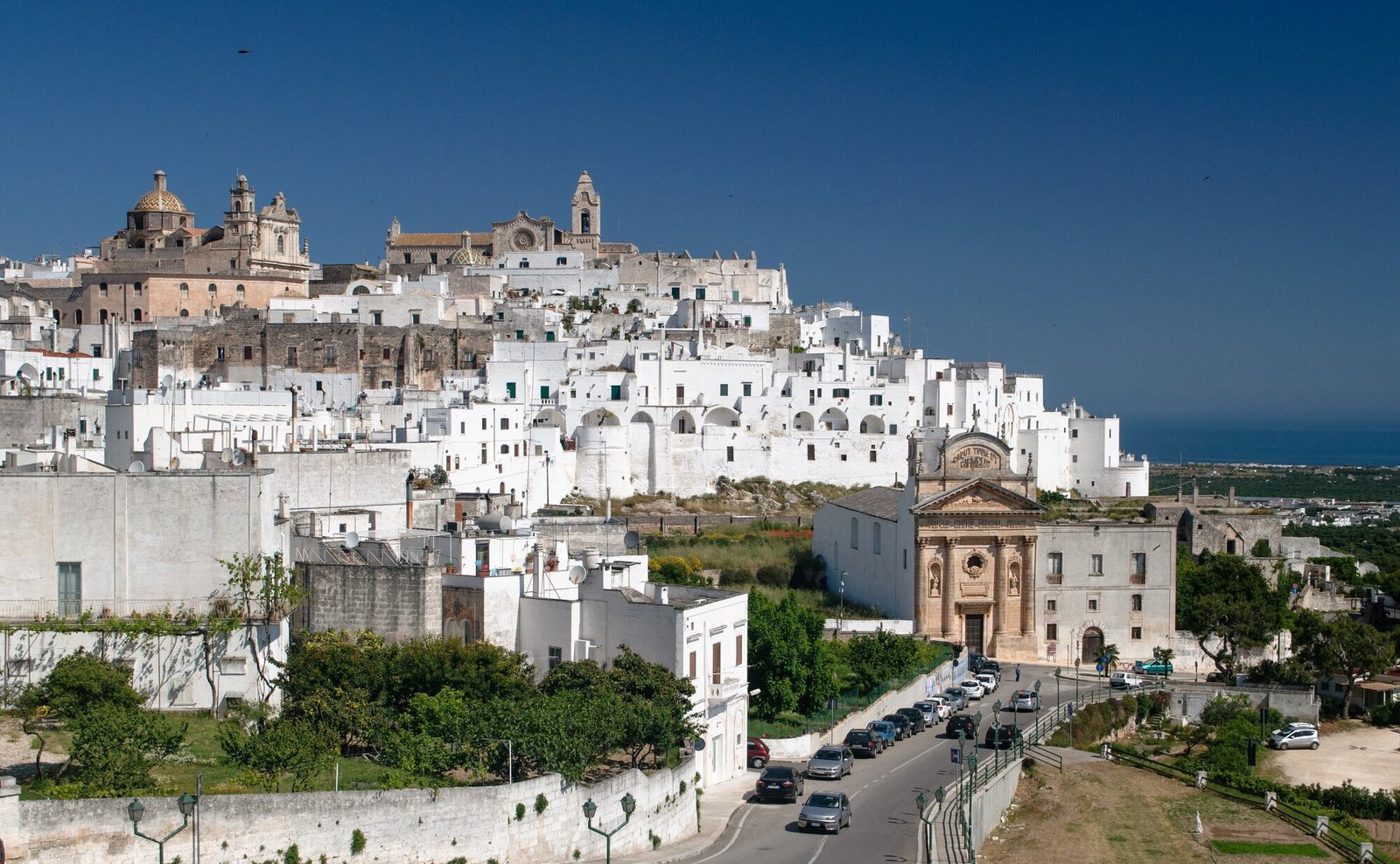
Ostuni, often referred to as the “White City,” is a stunning hilltop town in Puglia, known for its picturesque whitewashed buildings and beautiful surroundings of olive groves. It offers a vibrant mix of medieval charm and modern amenities, making it appealing to many expats and retirees. The town’s favorable location near the Adriatic Sea provides easy access to beaches, with the nearest being just a short drive away. Cultural richness is evident through local cuisine, lively markets, and various community events, while its reasonable cost of living is an attractive factor. However, potential residents should be mindful of challenges, such as bureaucratic hurdles and varying healthcare accessibility, which can be concerns. Nevertheless, its stunning landscapes, historical architecture, and welcoming atmosphere make Ostuni a noteworthy option for those seeking a relaxed lifestyle in Italy.
✓ Pros for expats
– Pleasant Mediterranean climate with warm, sunny summers.
– Rich cultural heritage with historic sites and artistic influences.
– Strong community and integration opportunities for newcomers.
– Adequate healthcare services available for residents.
– Good air quality contributes to overall well-being.
– Vibrant local markets and farm-to-table cuisine.
– Efficient transportation options for regional exploration.
– Popular tourist destination, enhancing local amenities and services.
– Affordable cost of living compared to larger cities.
– Scenic landscapes and beautiful coastal views.
! Things to consider
– Healthcare quality could be better; services sometimes limited in scope.
– Internet connectivity may frustrate heavy users with average speeds.
– Unemployment slightly higher than national average could affect economy.
– Infrastructure needs improvement; some roads and services may disappoint.
– Tourist crowds can overwhelm the charm during peak seasons.
– Limited educational facilities may not meet all expat needs.
– Summer heat can be intense; air conditioning becomes essential.
– Local job market may offer few opportunities for newcomers.
– Seasonal businesses may lead to quieter winters and fewer amenities.
– Less diverse nightlife options compared to larger cities or towns.
Where is Ostuni
Getting there
Ostuni is reachable via the SS16 and SS379 roads, connecting it to major cities within Puglia. The nearest airport is Papola Casale in Brindisi, with Karol Wojtyla Airport in Bari also conveniently located. The town’s train stations provide reasonable regional connectivity, with various ratings reflecting their accessibility.
Housing & cost of living
Estimated cost of an 80 m² home: €206,400
Housing availability: High
Cost of living
Ostuni, a picturesque town in Puglia, shows a mixed picture of affordability. While housing is accessible, with average rental rates ranging from budget-friendly furnished apartments to cozy country villas, overall living costs are slightly below the national average. Dining out and local groceries are quite affordable, making daily life manageable. However, the town’s economic rating suggests moderate stability, indicating potential challenges for long-term financial security. Expats and investors should carefully consider these aspects, yet the inviting lifestyle may alleviate some economic concerns.
Climate & weather
Exceptional (Top 10%)
Low (11th-20th percentile)
Very Low (Bottom 10%)
Exceptional (Top 10%)
Ostuni, located in Italy, offers a climate that suits those seeking a region with generous sunshine and mild winter temperatures, ideal for retirees and expats. The town experiences very minimal snowfall, ensuring most days are free from the hassles of severe winter weather, which can be particularly appealing to those from colder climates. Summers in Ostuni are warm but not excessively so, making it comfortable for enjoying the outdoors and exploring the local culture. Rainfall is moderate and spread throughout the year, supporting lush landscapes without overwhelming residents with heavy downpours. Overall, Ostuni provides a balanced climate that supports a variety of outdoor activities year-round.
Air quality & environment
Air quality rating: ★★★★★
In Ostuni, Italy, the air quality is generally deemed satisfactory, with particulate matter and gaseous pollutants maintained at modest levels due to favorable local conditions and effective environmental management. Recent measurements show that both PM10 and nitrogen dioxide levels are rated positively, indicating a low likelihood of respiratory discomfort from these sources. The town occasionally experiences moderate levels of PM2.5 and ozone, which remain within acceptable limits but could affect individuals with heightened sensitivity. This preserved air quality makes Ostuni an appealing choice for expats and retirees seeking a tranquil location with minimal air quality issues.
Healthcare & safety
Road accidents: 42.0 per 10k inhabitants.
ASL Brindisi covers Brindisi province , Brindisi city, Ostuni, Mesagne, Francavilla Fontana, the lower Salento. Composite of 50/100, just above the median. Profile is balanced. Workable public-system catchment for residents along the central Salento coast and the Itria valley fringe.
Internet & connectivity
Transport & proximity
✈️ Airports
| Airport | Drive | Score |
|---|---|---|
| Papola Casale (Brindisi) | 28 min | 4 |
| Karol Wojtyla (Bari) | 56 min | 7 |
| Capodichino (Naples) | 156 min | 9 |
🚂 Rail stations
| Station | Drive | Score |
|---|---|---|
| Ostuni | 9 min | 7 |
| Ceglie Messapica | 14 min | 6 |
| Cisternino Citta | 12 min | 5 |
What's nearby
Life in Ostuni
Local cuisine
The food scene in Ostuni, known as the “White City” of Puglia, presents a rich array of traditional Apulian dishes enhanced with modern touches. Signature dishes include orecchiette pasta, usually paired with turnip tops or rich tomato sauces that emphasize local ingredients. Other notable offerings feature cavatelli with chickpeas, fava bean puree with wild chicory, and the famous Apulian panzerotto. The region is also famed for snacks like taralli and sweet treats called cartellate. Dining venues reflect this culinary heritage, with many family-operated establishments serving homemade dishes alongside contemporary dining options. Michelin-starred restaurants, such as Cielo, Osteria Ricanatti, and Restaurant 700, showcase a fusion of traditional tastes and modern culinary techniques, offering a refined dining range from local to international flavors.
Where to shop
The shopping scene presents a wide array of choices, catering to both locals and expatriates. Supermarkets offer daily groceries and essentials, while specialized shops focus on vintage items and traditional crafts, especially ceramics. Markets play a vital role, featuring a weekly market for fresh produce and a monthly vintage and antique market showcasing unique treasures. Luxury segments are represented by select high-end boutiques, adding to the variety. Overall, the area offers a combination of modern convenience and artisanal charm for discerning shoppers.
Green areas & parks
Ostuni provides several outdoor activities for retirees and expats. The Parco Archeologico e Naturale di Santa Maria Di Agnano is a key hiking area featuring trails suitable for varying abilities. Passeggiata per Ostuni is a leisurely walk through the town, while the Via Ellenica offers a more demanding hike toward Cisternino. Giro di Ostuni and Giro Villanova di Ostuni cater to lighter walks. For a moderate trek, consider the Sanctuary of San Biagio trail. These green spaces and paths present opportunities for hiking, biking, and nature exploration. Each site showcases Ostuni’s blend of natural beauty and archaeological significance.
People & tourism
Annual tourists (2023): 162,572