
Sicilia · Palermo · Italy
Palermo
Coastal city rich in history, vibrant culture, affordable living, and helpful expat communities.
At a glance
About Palermo
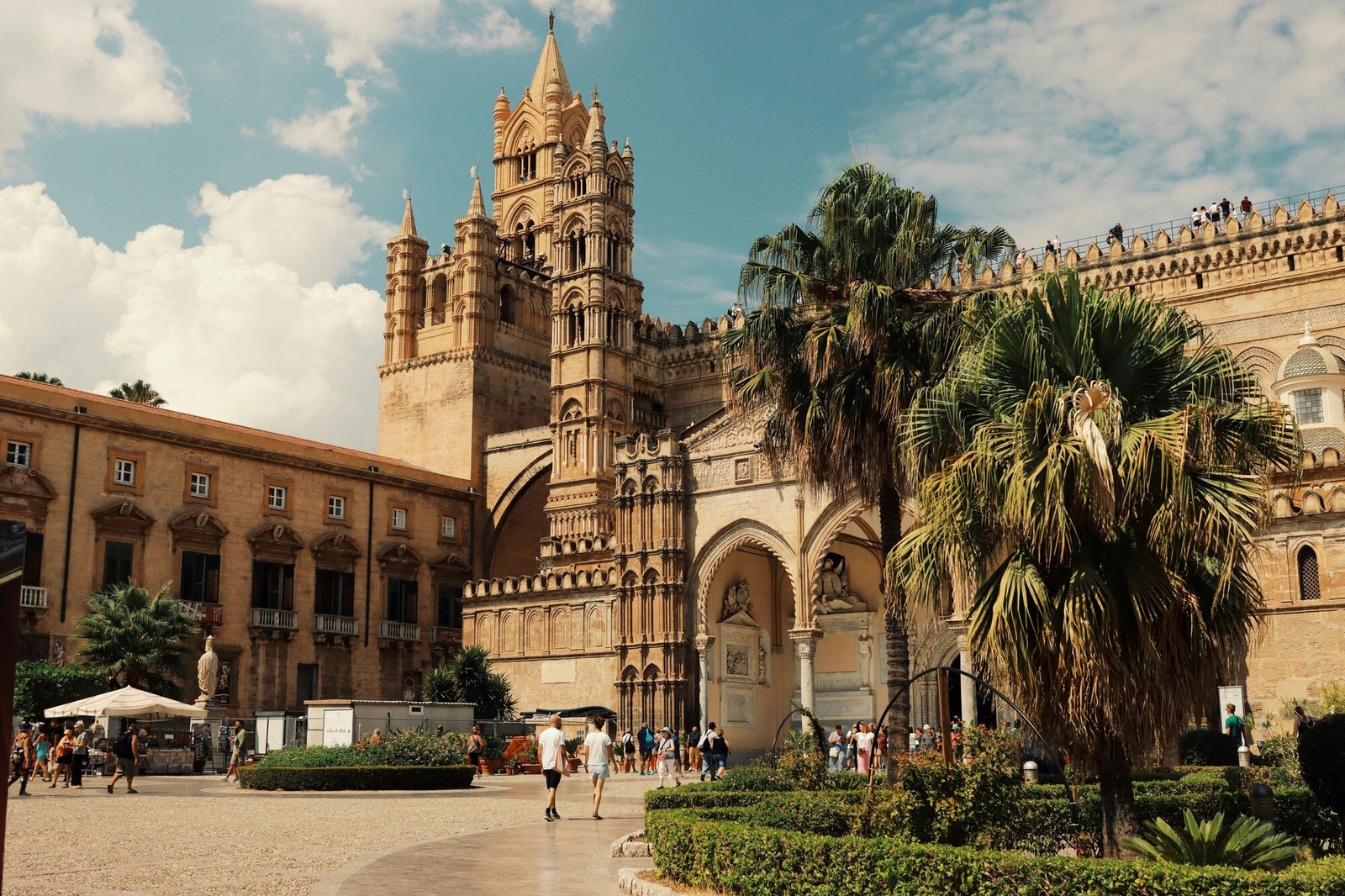
Palermo, the capital of Sicily, is a vibrant city defined by its rich history, culture, and inviting local lifestyle. Nestled along the coast, it offers picturesque views and a strong cultural heritage, visible in attractions like the Teatro Massimo, Palatine Chapel, and the Capuchin Catacombs. The city’s diverse character is complemented by its lively markets, traditional cuisine, and a community known for its hospitality. For expats, Palermo presents an affordable cost of living and practical amenities, including fast internet and supportive expat networks that enrich the experience.
However, adapting to the Sicilian way of life can be challenging due to its slower pace and direct communication style. Understanding local customs is crucial for social integration, and although job opportunities exist, the market can be informal and competitive. While the city has much to offer, expats should approach these nuances with patience and engagement to fully embrace life in Palermo.
✓ Pros for expats
– Rich cultural and historical backdrop enhances daily living experience.
– Mediterranean climate offers warm summers and mild winters.
– Healthcare services available, though quality may vary by area.
– Good air quality contributes to a healthier lifestyle.
– Well-developed infrastructure supports transportation and everyday activities.
– Integration opportunities foster a welcoming community for newcomers.
– Tourist presence creates vibrant atmosphere and local economic activity.
– Access to beautiful beaches and natural landscapes nearby.
– Diverse culinary scene showcases Sicilian cuisine and local produce.
– Vibrant markets and local shops promote community engagement.
! Things to consider
– Healthcare quality can be inconsistent across different neighborhoods.
– Unemployment rate is higher than the national average.
– Public transportation may not be as reliable as expected.
– Internet speeds may frustrate heavy users and remote workers.
– Bureaucratic processes can be slow and complex to navigate.
– Summer heat can be intense, leading to discomfort outdoors.
– Limited availability of international goods and services.
– Educational facilities may not meet all expatriate expectations.
– Tourist crowds can overwhelm local areas during peak seasons.
– Economic opportunities can be limited for newcomers without local connections.
Where is Palermo
Getting there
Palermo boasts solid connectivity, with Falcone Borsellino Airport serving as the primary gateway, situated just 18 minutes from the city center. Major roads, including the A29 and A19 highways, facilitate regional access. The town features two nearby train stations, enhancing local and national rail links.
Housing & cost of living
Estimated cost of an 80 m² home: €120,000
Housing availability: High
Cost of living
Palermo offers a relatively affordable living experience, with housing and everyday expenses manageable within the local income context. While the unemployment rate is slightly higher than the national average, the economic health remains stable, offering moderate opportunities for work and investment. Housing costs are reasonable, particularly compared to larger cities, making it attractive for families and individuals seeking a pleasant living environment without excessive financial strain. Although median income levels rank lower nationally, the cost of living allows for a comfortable lifestyle, albeit with careful budgeting.
Climate & weather
Exceptional (Top 10%)
Low (11th-20th percentile)
Very Low (Bottom 10%)
Exceptional (Top 10%)
Palermo enjoys a comfortably temperate climate well-suited for those accustomed to moderate weather. Winters in the city see only a light dusting of snow, making it an ideal choice for retirees or expats from milder climates looking for gentle winter experiences. Summers are marked by warmth, but not extreme heat, fostering pleasant outdoor activities and socializing. The sun generously bathes Palermo in light throughout the year, offering ample opportunities for solar enjoyment without oppressive humidity or rainfall, striking a perfect balance for those contemplating relocation to this vibrant Italian city.
Air quality & environment
Air quality rating: ★★★★★
In Palermo, Italy, the overall air quality paints a comfortable picture for those considering relocation, particularly expatriates and retirees seeking a healthier environment. The city generally maintains a good status for major pollutants, such as particulate matter and nitrogen dioxide, suggesting a consistent management of emissions and urban sanitation. Ozone and finer particulate levels, while fair, are managed efficiently to minimize the impact on everyday life. Such conditions not only promise a conducive outdoor experience but also underline Palermo's commitment to environmental standards vital for community health and wellbeing.
Healthcare & safety
Road accidents: 20.0 per 10k inhabitants.
ASP Palermo covers Palermo province , Palermo city, Monreale, Cefalù, Termini Imerese, the Madonie, Ustica, Lampedusa. Composite of 39/100, bottom fifth nationally. Profile is broadly weak. Despite Palermo’s size and historical importance, the AULSS data sits well below the Italian average; the city’s specialist teaching hospitals (Policlinico, Civico) sit outside the AULSS structure measured here. Residents should plan supplementary private cover.
Internet & connectivity
Transport & proximity
✈️ Airports
| Airport | Drive | Score |
|---|---|---|
| Falcone Borsellino (Palermo) | 18 min | 9 |
| Birgi (Trapani) | 48 min | 5 |
| Catania Fontanarossa (Catania) | 96 min | 7 |
🚂 Rail stations
| Station | Drive | Score |
|---|---|---|
| Palermo Centrale | 17 min | 9 |
| Palermo Notarbartolo | 5 min | 8 |
| Palermo Francia | 6 min | 7 |
What's nearby
Life in Palermo
Neighbourhoods
– **Centro Storico**: The historic centre comprises ancient quarters like Kalsa and Vucciria, recognized for their medieval origins and baroque architecture, integral to Palermo’s cultural heritage.
– **Palazzo Reale-Monte di Pietà**: This area houses the Norman Palace, a focal point of Sicilian history and politics, alongside local markets and cathedral, offering deep historical connections.
– **Tribunali-Castellammare**: Known for the bustling Mercato della Vucciria, this neighbourhood features narrow streets and food stalls, capturing a traditional Sicilian market atmosphere.
– **Oreto-Stazione**: Located near the central station, this district provides vital transport links with residential areas, facilitating connectivity across Sicily.
– **Vucciria**: Famed for its market, this locality is a prime example of Palermo’s vibrant street life and culinary scene, reflecting a blend of historical layers and modern vibrancy.
– **Kalsa**: An iconic Arab-Norman zone with significant structures like Palazzo Abatellis, serving as a key attribute of Palermo’s architectural diversity.
– **Monte di Pietà**: This neighbourhood features a mix of religious structures and historic streets, fostering Palermo’s long-standing religious and cultural traditions.
Local cuisine
Palermo’s culinary scene is characterized by a rich tapestry of traditional Sicilian dishes and a growing array of dining options, from local street food to fine dining establishments. Traditional dishes include iconic offerings such as Sfincione (a type of Sicilian pizza), Arancini (fried rice balls), Caponata (a sweet and sour eggplant dish), and Pasta con le Sarde (pasta with sardines). The dessert repertoire features Cannoli and Cassata Siciliana. The city’s dining landscape also embraces international influences, with various restaurants serving Mediterranean, Asian, and contemporary styles. Notably, Palermo is home to several Michelin-starred restaurants, including Gagini and Bye Bye Blues, both celebrated for their refined interpretations of Sicilian cuisine.
Where to shop
Shopping options include high fashion boutiques, artisan goods, ceramics, and antiques. Prominent shopping streets host a mix of luxury and unique local offerings, while bustling markets feature food, clothing, and crafts, contributing to a vibrant shopping culture. Popular markets include a large food market and several street markets known for textiles and antiques. Overall, these venues provide diverse choices suited for various tastes and necessities.
Green areas & parks
Palermo offers diverse green areas and outdoor activities ideal for exploration. Notable sites include Orto Botanico, featuring expansive gardens with rare plant species, and Parco della Favorita, providing biking trails and open spaces. Monte Pellegrino presents hiking opportunities with panoramic views. Riserva Naturale Orientata Di Capo Gallo and Riserva Naturale Orientata Bosco della Ficuzza host nature trails for wildlife observation. Giardino Inglese and Villa Giulia offer serene park environments, while Foro Italico is popular for its coastal promenades.
Education
People & tourism
Annual tourists (2023): 836,292