
Emilia-Romagna · Parma · Italy
Parma
Historic city famous for Parmesan cheese, Parma ham, and a vibrant food culture.
At a glance
About Parma
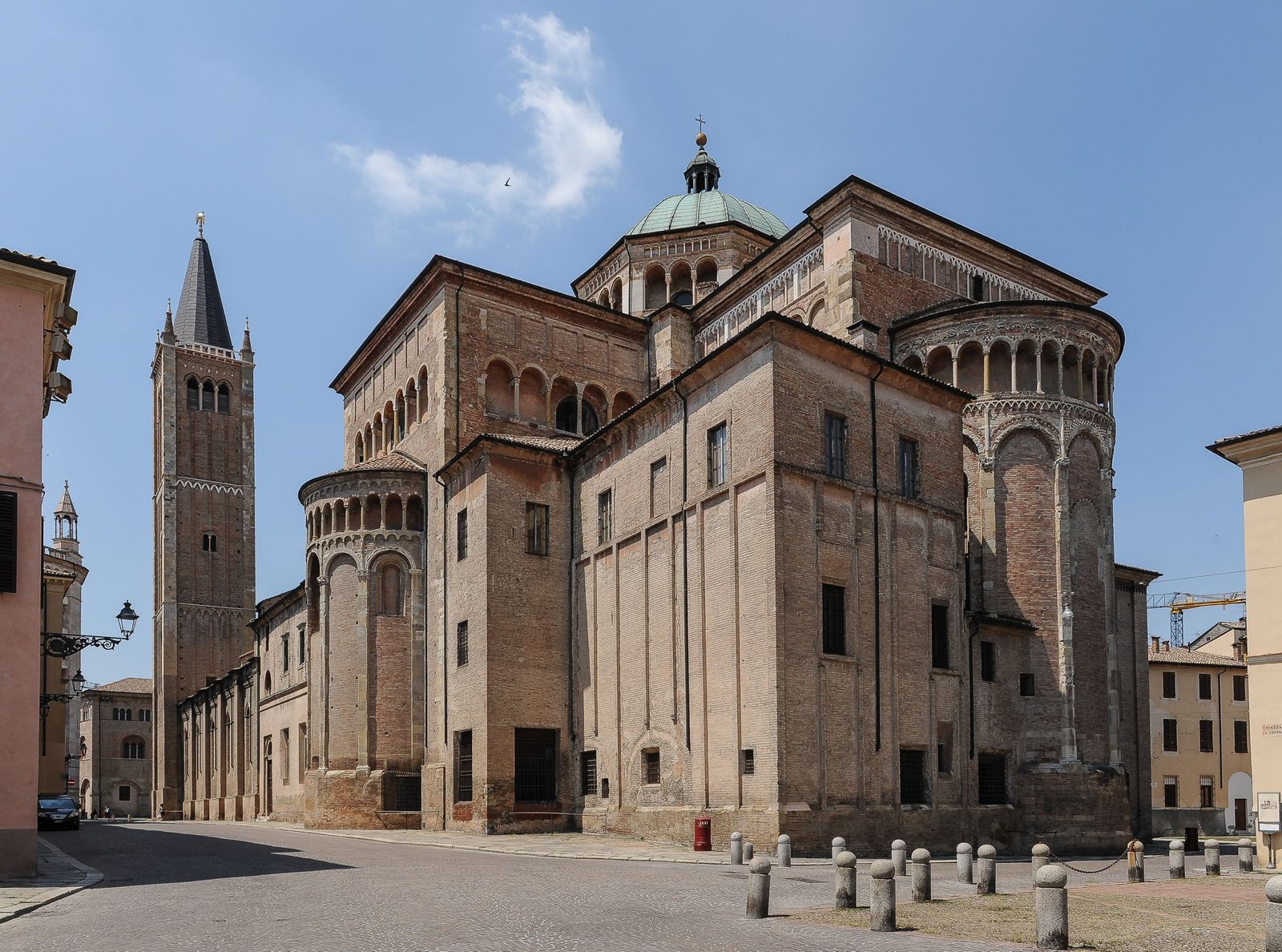
Situated in the core of Emilia-Romagna, Parma is a city abundant in history and culinary customs, making it an enticing destination for expatriates and retirees. Renowned for its iconic Parmesan cheese and Parma ham, the city merges a lively food culture with significant historical sites, including the remarkable Duomo di Parma and the Teatro Regio. In 2020, Parma was designated as Italy’s Capital of Culture, further solidifying its reputation in the arts and music, especially opera, due to its ties with composer Giuseppe Verdi.
While Parma boasts a pedestrian-friendly environment and ample green spaces, expatriates might face challenges regarding the quality of local healthcare and limited access to major airports, with the nearest being a short drive away. Moreover, although the city offers a charming lifestyle, some may find it less dynamic compared to larger Italian cities. Nevertheless, Parma’s rich cultural offerings and relaxed pace make it a compelling choice for many.
✓ Pros for expats
– High-quality healthcare services available for residents.
– Efficient public transportation system connecting to major cities.
– Rich cultural and historical heritage throughout the town.
– Opportunities for community integration and social activities.
– Mild climate with pleasant seasonal variations.
– Low unemployment rate supports economic stability.
– Good air quality enhances overall living experience.
– Diverse educational facilities catering to various needs.
– Limited tourism promotes a quieter, more relaxed environment.
– Strong internet connectivity for remote work opportunities.
! Things to consider
– Healthcare quality may not meet all expat expectations.
– Public transportation lacks frequency during off-peak hours.
– Limited nightlife options for younger residents and retirees alike.
– The local dialect can be a communication hurdle.
– Some amenities may be less accessible outside the center.
– Mild climate can lead to humid summers, which can feel sticky!
– Fewer international grocery options for diverse culinary needs.
– Limited job opportunities for non-Italian speakers.
– Some cultural events may not appeal to all tastes.
– The slow pace might frustrate those seeking excitement.
Where is Parma
Getting there
Parma provides solid connectivity with Giuseppe Verdi Airport just 9 minutes away and Reggio Emilia Airport located slightly further afield. The city is served by two train stations, enhancing regional access. Key road links include the A1 and A15, which facilitate travel to major urban centers.
Housing & cost of living
Estimated cost of an 80 m² home: €189,440
Housing availability: High
Cost of living
Parma boasts a well-balanced and appealing cost of living, particularly for those moving to the area. With competitive housing prices and a low unemployment rate, the city provides a sense of economic stability. Daily living costs, including groceries and dining, are moderate, making it accessible for families and individuals alike. The lively city atmosphere, influenced by its rich culture and youthful presence from the university, enhances its attractiveness. Overall, Parma stands out as an affordable option for expatriates and investors seeking both quality of life and economic potential.
Climate & weather
Above Average (51st-60th percentile)
Above Average (51st-60th percentile)
Somewhat Low (21st-30th percentile)
Somewhat High (61st-70th percentile)
Parma’s climate offers a balanced experience with mild winters and warm summers, ideal for those seeking a comfortable year-round environment. The city enjoys ample sunshine, allowing for pleasant outdoor activities and al fresco dining throughout most of the year. Winter months typically see some snowfall, adding a picturesque touch to the historic landscapes without causing significant disruptions. Summers in Parma can be quite warm, perfect for exploring the surrounding natural beauties or enjoying the vibrant city life. Additionally, rainfall is generally well-distributed across the year, ensuring lush, green scenery and helping maintain the charm of its gardens and public parks.
Air quality & environment
Air quality rating: ★★★★★
Parma's air quality provides a largely favorable environment for its residents. The atmospheric conditions here maintain a consistent level that is compatible with health-conscious living. Particulate matter such as PM10 and PM2.5, often associated with vehicle emissions and industrial activities, are present but within a range that is generally deemed acceptable. Furthermore, pollutants such as nitrogen dioxide and sulphur dioxide are found at levels that can be classified as good, indicating effective local regulations and minimal industrial pollution. Ozone levels, reflecting both natural and anthropogenic factors, are moderate. This combination fosters an environment conducive to those who are particularly sensitive to environmental conditions.
Healthcare & safety
Road accidents: 22.0 per 10k inhabitants.
AUSL Parma covers the province of Parma , the city, the Apennines south to Berceto, and the Bassa parmense north to the Po. The composite rating is 47/100, which is below the median. The profile is generally balanced, and the underperformance is consistent across various pillars rather than due to one specific weakness. Parma’s university hospital is well-regarded but operates as an AOU (autonomous university hospital) outside the AULSS structure, which limits its impact on the overall territorial data.
Internet & connectivity
Transport & proximity
✈️ Airports
| Airport | Drive | Score |
|---|---|---|
| Giuseppe Verdi (Parma) | 9 min | 3 |
| Reggio Emilia Airport (Reggio nell'Emilia) | 27 min | 1 |
| Guglielmo Marconi (Bologna) | 50 min | 7 |
🚂 Rail stations
| Station | Drive | Score |
|---|---|---|
| Parma | 6 min | 10 |
| Sant'Ilario d'Enza | 16 min | 8 |
| Chiozzola | 11 min | 6 |
What's nearby
Life in Parma
Neighbourhoods
– The Centro Storico contains important administrative and architectural landmarks, representing the historical and cultural core of the city.
– Oltretorrente, located across the Parma River, combines residential and commercial areas, promoting a traditional urban lifestyle.
– Molinetto, mostly residential, features modern housing developments and green spaces.
– Pablo offers residential sectors interspersed with local businesses and community services.
– Golese, on the outskirts, merges rural landscapes with industrial facilities.
– San Pancrazio is recognized for its residential neighborhoods and proximity to essential urban amenities.
– San Leonardo combines an industrial backdrop with residential areas, often hosting cultural events.
– Cittadella, famous for its large park, attracts residents and visitors for leisure and outdoor activities.
– Lubiana provides a mix of villa-style housing and apartment complexes, suitable for families.
– San Lazzaro links suburban life with access to the city’s central areas.
– Montanara, with its suburban charm, is valued for family residences and public services.
– Vigatto includes several smaller hamlets, offering a distinctly rural ambiance.
Local cuisine
Parma, situated in Emilia-Romagna, is celebrated for its rich culinary offerings characterized by traditional dishes and a variety of dining venues. The town is famous for its signature regional products, including artisanal Prosciutto di Parma, Parmigiano Reggiano cheese, and various handmade pastas like Anolini and Tortelli d’Erbetta. The local dining landscape is highlighted by traditional trattorias serving classic meals like Torta Fritta and Culatello di Zibello, offering an authentic taste of the region’s culinary legacy.
International dining choices are plentiful, influenced by the town’s cultural exchanges and tourism, featuring cuisines that range from French to Asian, showcasing Parma’s ability to merge local ingredients with global culinary trends.
Additionally, Parma is home to several Michelin-starred restaurants, including Inkiostro, Meltemi, and Parma Rotta, representing the height of fine dining in the area, where chefs create innovative dishes that pay homage to traditional roots while enhancing the dining experience.
Where to shop
The area presents a variety of shopping choices, including expansive shopping malls and commercial centers such as Ipercoop and Centro Commerciale La Favorita. Fashion boutiques are found along key thoroughfares like Strada Farini and Via D’Azeglio, catering to an array of styles from luxury to local artisan goods. Regular street markets, such as Mercato Albinelli, offer fresh produce and local products, complementing the established retail landscape. Known for its mix of modern shopping and traditional markets, the region caters well to both expatriates and retirees.
Green areas & parks
Parma, located in the Emilia-Romagna region, features a variety of green spaces and outdoor activities. Parco Ducale and Parco Cittadella are prominent city parks that offer significant recreational areas. The Orto Botanico di Parma is especially notable for plant enthusiasts. Hiking opportunities abound with trails in Parco dei Boschi di Carrega and the Regional Reserve of Ghirardi. Additionally, Parco Avventura Forestavventura provides outdoor adventure activities. These amenities cater to both leisurely strolls and more vigorous outdoor pursuits, making the region appealing to expatriates and retirees interested in an active lifestyle.
Education
People & tourism
Annual tourists (2023): 397,325