
Veneto · Rovigo · Italy
Rovigo
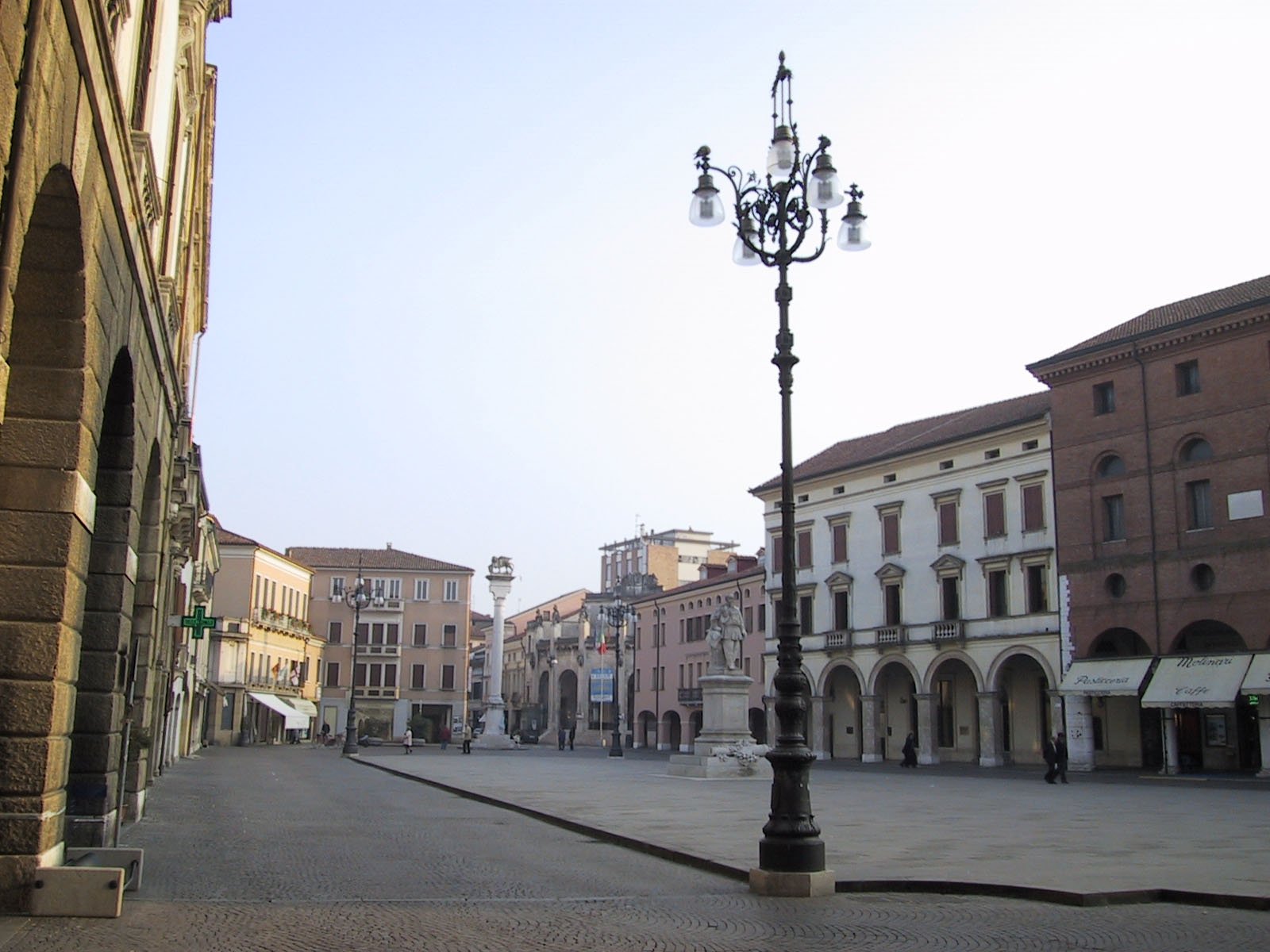
Situated in the Veneto region of Italy, Rovigo is a city distinguished by its historical significance and architectural treasures. As the capital of the province sharing its name, Rovigo features remarkable Venetian-style palaces and towers.
At a glance
About Rovigo
Situated in the Veneto region of Italy, Rovigo is a city distinguished by its historical significance and architectural treasures. As the capital of the province sharing its name, in Rovigo, you’ll find remarkable Venetian-style palaces and towers.
A highlight is the Torre Donà, which ranks among Italy’s tallest surviving medieval towers.
Rovigo hosts a variety of museums, including the Accademia dei Concordi, famed for its fine art collection. The annual “Polesine” film festival showcases local culture and attracts a discerning international audience. Moreover, Rovigo is a crucial agricultural center, with its surrounding countryside significantly contributing to the Italian food industry.
✓ Pros for expats
– Excellent healthcare quality and access to medical facilities.
– High infrastructure rating ensures dependable public services and transportation.
– Low unemployment rate, fostering economic stability and job opportunities.
– Mild climate, perfect for outdoor activities throughout the year.
– Rich cultural and historical heritage promotes community involvement.
– Opportunities for integration and building local relationships are readily available.
– Clean air quality encourages a healthier lifestyle and environment.
– A non-touristic atmosphere contributes to a tranquil living experience.
– Efficient transport options connect to larger cities with ease.
– Good educational institutions support lifelong learning and personal development.
! Things to consider
– Limited nightlife options may feel dull for some residents.
– Fewer international dining options compared to larger cities.
– A smaller community might feel isolating for some newcomers.
– The local dialect can be challenging for those not fluent in Italian.
– Less shopping variety than found in metropolitan areas.
– Occasional flooding risks due to the proximity of waterways.
– Weather can be humid during the summer months.
– Less cultural diversity than larger Italian cities.
– Internet speeds may not suffice for high-demand usage.
– Limited entertainment events in comparison to tourist hotspots.
Where is Rovigo
Getting there
Rovigo is conveniently located near major highways such as the A13 and A31, ensuring easy access to regional hubs. It is also close to Bologna’s Guglielmo Marconi airport and Venice’s Marco Polo airport. Local train stations provide additional connectivity, albeit with varying levels of service.
Getting around
Getting around Rovigo is easy due to its compact and walkable urban design. Public transportation includes buses serving both local and regional routes. For those preferring personal transportation, the city supports cycling with dedicated lanes and offers ample parking for vehicles in various locations.
Housing & cost of living
Estimated cost of an 80 m² home: €82,480
Housing availability: High
Cost of living
Rovigo, located in the charming Veneto region, presents an exceptionally affordable lifestyle for prospective expats and investors. With a cost of living around 3.5% below the national average, residents can comfortably sustain themselves on a moderate income. Housing is accessible, with both rental and property prices remaining reasonable, promoting economic stability. Additionally, with low unemployment rates and a favorable economic outlook, Rovigo provides an encouraging environment for financial growth and sustainability, making it an appealing choice for relocation or investment.
Climate & weather
Below Average (31st-40th percentile)
Somewhat Low (21st-30th percentile)
Somewhat Low (21st-30th percentile)
High (71st-80th percentile)
Air quality & environment
Air quality rating: ★★★★★
Rovigo, located in Italy's fertile Po Valley, enjoys an air quality profile that modern expatriates may find comforting. The air composition here typically shows good levels of nitrogen dioxide and sulphur dioxide, creating a pleasant living environment. Particulate matter ratings, both PM10 and PM2.5, are classified as fair, indicating moderate concentrations typical for a semi-industrialized area. Ozone levels, known to fluctuate with sunlight and regional chemical balances, also remain at fair levels. This environment promotes a comfortable setting for retirees aiming to maintain a healthy lifestyle.
Healthcare & safety
Road accidents: 44.0 per 10k inhabitants.
ULSS 5 Polesana covers the Polesine , Rovigo, Adria, the lower Po delta, Porto Tolle. With a composite score of 49/100, it is around the median. The profile is balanced without any dominant patterns. The Polesine is one of Italy’s most depopulated and ageing regions, and the AULSS faces structural challenges in maintaining a full acute network for a sparsely distributed elderly population. It remains workable for residents, though private cover for elective care is advisable.
Internet & connectivity
Transport & proximity
✈️ Airports
| Airport | Drive | Score |
|---|---|---|
| Guglielmo Marconi (Bologna) | 42 min | 7 |
| Marco Polo (Venice) | 49 min | 8 |
| Antonio Canova (Treviso) | 55 min | 7 |
🚂 Rail stations
| Station | Drive | Score |
|---|---|---|
| Rovigo | 5 min | 9 |
| Fratta Polesine | 19 min | 7 |
| Sant'Elena - Este | 23 min | 7 |
What's nearby
Life in Rovigo
What to see & do
- Torre Donà: One of the tallest medieval towers in Italy, it offers stunning panoramic views of the city.
- Accademia dei Concordi: A museum housing a vast collection of fine art, including Renaissance masterpieces.
- Palazzo Roverella: A Renaissance palace that currently serves as an art gallery and cultural venue.
- Chiesa di San Francesco: A Gothic-style church adorned with beautiful frescoes and religious artworks.
- Tempio della Beata Vergine del Soccorso (La Rotonda): An octagonal church celebrated for its distinctive architecture and art.
- Museo dei Grandi Fiumi: A museum dedicated to the history and culture of the Polesine region.
- Piazza Vittorio Emanuele II: The main square of Rovigo, surrounded by historic buildings and bustling cafes.
- Palazzo Roncale: A historical structure that hosts exhibitions and cultural activities.
- Villa Badoer: A UNESCO World Heritage site designed by Palladio, situated just outside Rovigo.
- Castello di Arquà Polesine: A medieval castle offering insights into the region’s feudal history.
Neighbourhoods
– **Commenda**: Close to the city centre, this area is divided into Commenda Ovest and Commenda Est. It features a well-organized neighbourhood with both residential and commercial sectors.
– **Centro Storico**: The historical heart of Rovigo, characterized by its medieval architecture, serves as the cultural and administrative center, hosting significant landmarks and public services.
– **San Pio X**: A mainly residential area located south of the center, offering essential services and community amenities.
– **Tassina**: Situated to the east, this neighbourhood combines residential areas with green spaces, providing a quieter suburban atmosphere.
– **Borsea**: Located on the southern outskirts, Borsea is known for its agricultural lands and growing residential developments.
– **Grignano Polesine**: Found east of the Adigetto River, this area is both residential and industrial, contributing to local employment opportunities.
– **Boara Polesine**: Positioned along the eastern edge, this district merges residential zones with historical features, reflecting its rural origins.
– **Granzette**: A small residential area on the outskirts, striving to balance urban and rural elements, with recent developments providing modern housing.
Local cuisine
Rovigo’s culinary offerings reflect its rich agricultural and aquatic heritage, heavily influenced by the River Po Delta. Signature dishes include Riso del Delta del Po IGP, a unique rice variety, and Cozza di Scardovari, a delicately flavored mussel. The region is well-known for diverse specialties such as Bondola Polesana, a local cured meat, and Faraona in Tecia, a guinea fowl dish served with polenta. Local restaurants, including trattorias and small eateries, highlight these traditional flavors. While Rovigo does not have any Michelin-starred restaurants, it provides a robust selection of local dining options that embody the region’s culinary identity.
Where to shop
The shopping scene in Rovigo offers a range of options, including shopping malls, antique shops, and specialized boutiques. Shopping centers provide varied retail experiences, while gift shops feature unique items. Markets may also exist, offering local produce and products, contributing to a comprehensive retail environment that caters to diverse consumer needs. Overall, the area combines modern conveniences with traditional shopping experiences.
Green areas & parks
Rovigo offers numerous outdoor activities, including equestrian trails at Asd Ca di Nini and various green spaces for relaxation. Parks of note include Prolife Park, Parco Iras Melvin Jones, and Park Alexander Langer. For history enthusiasts, Castello Di Arquà Polesine offers a cultural excursion. Hiking trails in the province, suggested on platforms like Outdooractive and Komoot, cater to all experience levels, making them suitable for retirees and expats seeking moderate exercise. These outdoor amenities collectively enhance Rovigo’s attractiveness for those contemplating relocation.