
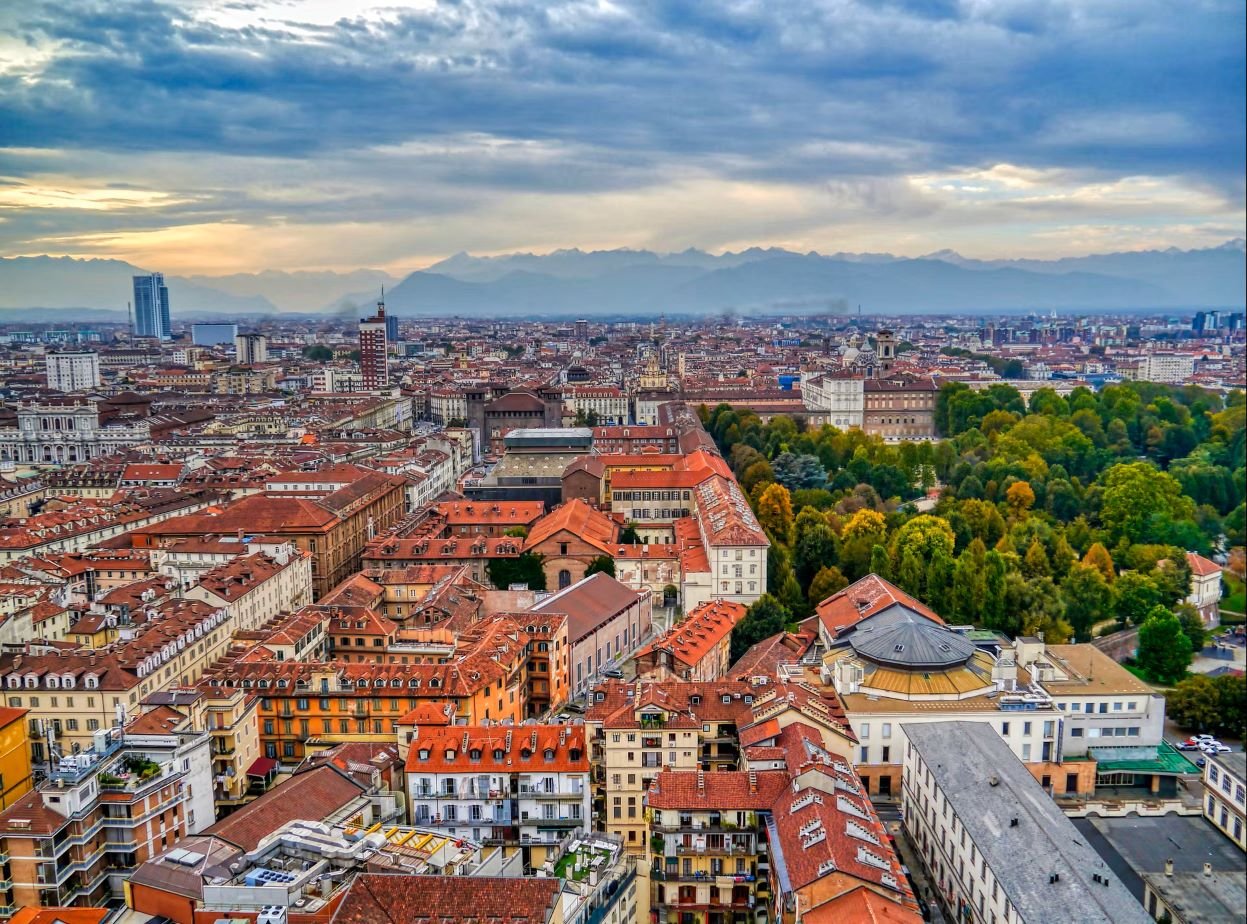
Piemonte · Torino · Italy
Torino
As the capital of Piemonte, the city showcases historic architecture, a lively cultural scene, and a robust economy.
At a glance
About Torino
Torino, the capital of Piemonte, beautifully merges a deep historical backdrop with contemporary energy, making it an attractive spot for expatriates and retirees. Located at the base of the Alps, this sophisticated city features stunning architecture, ranging from its Baroque palaces to the famous Mole Antonelliana. The vibrant cultural landscape includes esteemed museums, art galleries, and a schedule filled with festivals celebrating everything from cinema to chocolate. Key industries, especially in automotive and technology, drive a lively economy.
Nevertheless, future residents should recognize some potential hurdles. While the healthcare rankings of the city are commendable, access to the system can be inconsistent. Moreover, although Torino is pedestrian-friendly and well-connected, certain neighborhoods may not exhibit the same liveliness as the historic core. With the mountains and the Mediterranean coast close by, expats can enjoy a blend of urban living and outdoor pursuits, achieving a balance between cultural experiences and recreation.
✓ Pros for expats
– High-quality healthcare facilities and services available locally.
– Efficient public transportation system connecting the city and beyond.
– Rich cultural and historical heritage to explore and enjoy.
– Opportunities for community integration and social engagement.
– Favorable climate with mild winters and warm summers.
– Good air quality contributes to a healthier lifestyle.
– Relatively low unemployment rate compared to national average.
– Vibrant food scene showcasing local cuisine and markets.
– Access to quality educational facilities for lifelong learning.
– Strong internet connectivity for remote work and leisure activities.
! Things to consider
– Healthcare quality might not meet some expats’ high expectations.
– Public transportation can be overcrowded during peak hours.
– Winters may feel colder than “mild” for some newcomers.
– Limited nightlife options for those seeking vibrant evening activities.
– Cultural activities can be less frequent outside major tourist seasons.
– Language barrier may hinder social integration for non-Italian speakers.
– Air quality dips occasionally, affecting sensitive individuals.
– Tourist crowds can be overwhelming at popular attractions.
– Job market may be competitive despite low unemployment rates.
– Local bureaucracy can be frustratingly slow and complex.
Where is Torino
Getting there
Torino features excellent transportation infrastructure. The city is served by Torino Airport, about 20 minutes away, and Malpensa Airport in Milan, which is considerably farther. It has two nearby train stations, each with a perfect connectivity score, ensuring efficient regional and national travel. Key road connections enhance accessibility.
Housing & cost of living
Estimated cost of an 80 m² home: €191,280
Housing availability: High
Cost of living
Torino presents a favorable mix of affordability and economic potential for prospective expats and investors. With a low unemployment rate and a solid average income, residents experience relative economic stability. Housing costs are reasonable, especially when compared to larger Italian cities, allowing for accessible rental opportunities. While some expenses, particularly dining, may be higher, overall living costs remain manageable, supporting a comfortable lifestyle. This advantageous economic environment, combined with a strong housing market, positions Torino as a financially sound option for newcomers seeking both quality and affordability.
Climate & weather
Somewhat High (61st-70th percentile)
High (71st-80th percentile)
Average (41st-50th percentile)
Somewhat Low (21st-30th percentile)
Torino’s climate presents a refreshing variety throughout the year, catering to diverse preferences from sun lovers to snow aficionados. Winters feature brief, crisp spells where light snow occasionally blankets the landscape, creating a picturesque winter scene that swiftly melts away. Summers provide ample warmth without reaching the extreme highs typical of southern Italy, making it perfect for outdoor activities and leisurely exploration. The region benefits from numerous sunny days, allowing residents and visitors to frequently enjoy the sunlight. Rainfall is evenly spread across the year, fostering lush greenery and contributing to Torino’s delightful atmosphere.
Air quality & environment
Air quality rating: ★★★★★
In Torino, Italy, the air quality demonstrates a balanced profile that generally supports comfort and well-being. Particulate matter levels are manageable, with slightly higher concentrations of finer particles compared to coarser ones, yet both conform to acceptable standards. The city’s nitrogen dioxide and sulfur dioxide levels reflect effective management of industrial and vehicular emissions, likely due to stringent regulations and proactive urban planning. Ozone levels are also moderate, indicating a balanced influence on the ambient air quality throughout the year. Overall, Torino's air supports an active outdoor lifestyle, meeting the expectations of its resident expats and retirees from less pristine environments.
Healthcare & safety
Road accidents: 19.0 per 10k inhabitants.
ASL Città di Torino oversees healthcare in the city. With a composite score of 58/100, it ranks in the top quartile nationally. Hospital care is the strongest aspect (59), reflecting the concentration of major teaching hospitals (Molinette, Mauriziano, San Giovanni Bosco). A robust public-system option is available for urban residents, providing the widest specialist coverage in the region.
Internet & connectivity
Transport & proximity
✈️ Airports
| Airport | Drive | Score |
|---|---|---|
| Torino Airport (Turin) | 20 min | 7 |
| Malpensa (Milan) | 71 min | 10 |
| Cristoforo Colombo (Genoa) | 81 min | 7 |
🚂 Rail stations
| Station | Drive | Score |
|---|---|---|
| Torino Porta Nuova | 6 min | 10 |
| Torino Porta Susa | 5 min | 10 |
| Torino Lingotto | 14 min | 9 |
What's nearby
Life in Torino
Neighbourhoods
– **Centro Storico**: The historic heart of Turin is celebrated for its cultural landmarks, baroque architecture, and significant squares such as Piazza Castello and Piazza San Carlo.
– **Cit Turin**: This area is renowned for its art nouveau style, featuring the Palazzo della Vittoria and the Torre Littoria skyscraper.
– **San Donato**: Featuring residential streets, San Donato is close to public spaces like Piazza Statuto and offers a variety of local shops.
– **Campidoglio**: A residential neighborhood recognized for its street art and the Museum of Urban Art.
– **Aurora**: Located along the Dora river, it includes sites of industrial heritage and is undergoing urban redevelopment.
– **Vanchiglia**: Known for its dynamic cultural scene with art studios, theaters, and the University of Turin’s Palazzo Nuovo.
– **Regio Parco**: Historically a working-class neighborhood, it features new arts initiatives and contemporary housing developments.
– **Crocetta**: Showcases elegant residential buildings, commercial avenues, and is conveniently near Politecnico di Torino.
– **San Paolo**: A diverse area combining residential and industrial sections, known for its local markets.
– **Cenisia**: Features residential buildings and is recognized for its student-friendly atmosphere due to its proximity to universities.
– **Lingotto**: Famous for the Lingotto building, which hosts a convention center and a shopping complex.
– **Mirafiori**: Known for the historic Fiat manufacturing facility, currently transitioning into a residential and commercial zone.
– **Santa Rita**: Largely residential, it provides family-friendly amenities, parks, and educational institutions.
– **Quadrilatero**: A historic area featuring cobbled streets, local eateries, and bars.
– **Porta Palazzo**: Famous for hosting Europe’s largest open-air market and its multicultural vibe.
– **Borgo Dora**: Home to the Balòn market, characterized by narrow streets and local artisan shops.
– **Barriera di Milano**: A multicultural area experiencing urban renewal with numerous new housing projects.
– **Parella**: A tranquil residential neighborhood featuring green spaces like Parco della Pellerina.
– **Borgo Vittoria**: Comprises a blend of residential zones and industrial heritage, with ongoing modernization efforts.
Local cuisine
Torino, situated in the Piemonte region of Italy, has a rich culinary tradition highlighted by classic dishes such as Agnolotti al Plin, Tajarin, Vitello Tonnato, and Brasato al Barolo. The city’s dining scene reflects a fusion of local and international flavors, with numerous trattorias and restaurants offering vegetarian and contemporary options alongside authentic Piedmontese cuisine. Torino is also home to various Michelin-starred venues, including Ristorante Del Cambio and Vintage 1997, which exemplify a commitment to culinary excellence. The lively market scene and artisanal chocolate shops further enrich its diverse food culture, ensuring a fulfilling dining experience.
Where to shop
The shopping environment encompasses a wide range of categories, including supermarkets where local and gourmet food products can be found, as well as designer boutiques and vintage clothing stores. Major shopping malls offer a variety of international brands and outlets. Markets provide fresh produce and handmade crafts, with notable locations offering unique shopping experiences. Outdoor markets and specialized sections cater to antiques and local delicacies, enhancing the city’s retail landscape.
Green areas & parks
Torino, located in Piemonte, offers various outdoor attractions. Noteworthy green spaces include Parco del Valentino, celebrated for its expansive gardens and proximity to the River Po, perfect for leisurely strolls and rowing. Parco della Pellerina is the largest park in the city, featuring ample trails for hiking and jogging. Parco Dora, combining urban and green features, presents unique walking paths. Additionally, the nearby Collina di Torino offers scenic hill trails for hiking enthusiasts. These parks and areas provide a range of outdoor activities, catering to diverse interests and enhancing quality of life.
Education
People & tourism
Annual tourists (2023): 1,410,185