
Friuli-Venezia Giulia · Trieste · Italy
Trieste
Northeastern Italian city with Mediterranean appeal, historical architecture, and close access to beaches.
At a glance
About Trieste
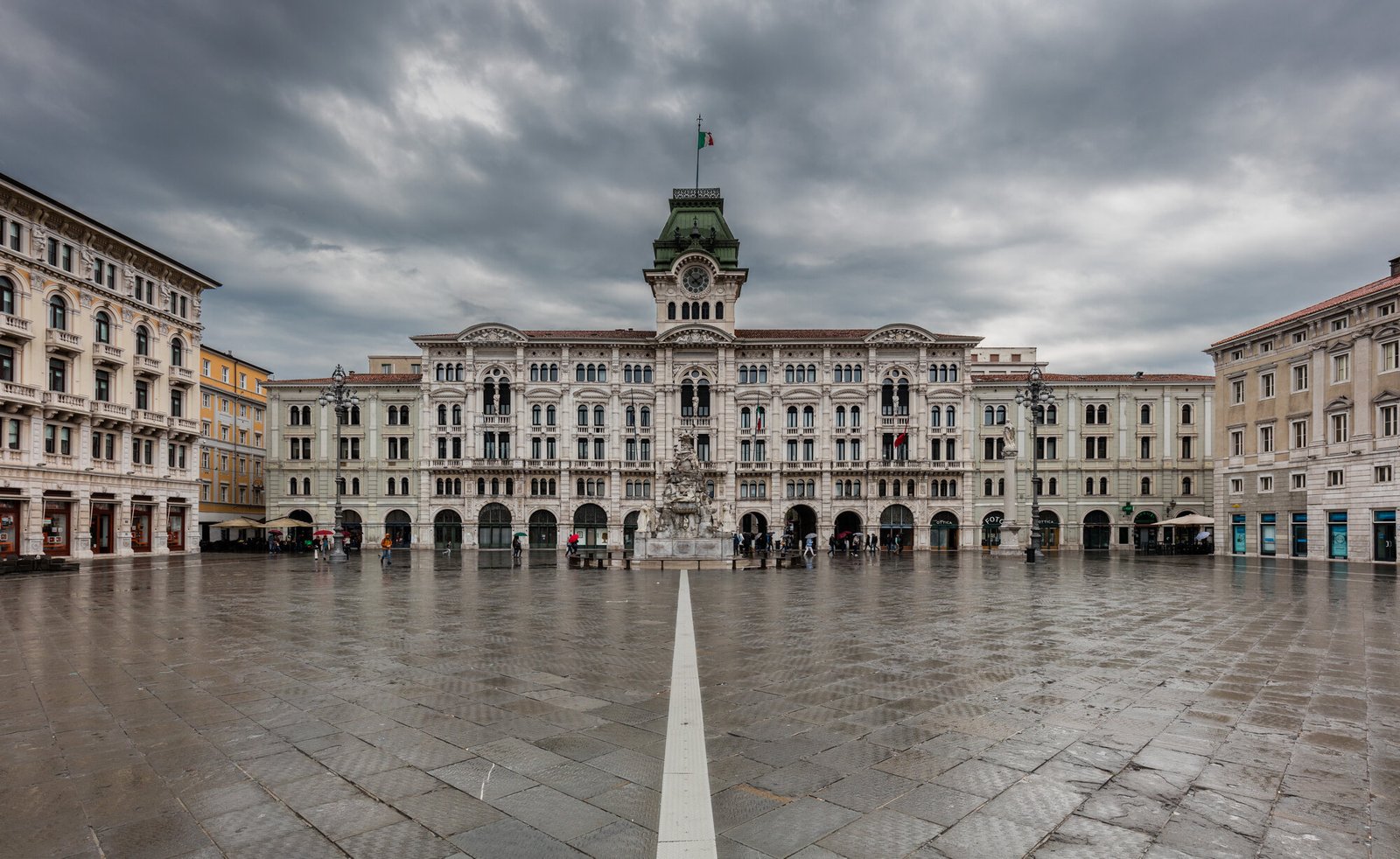
Trieste, situated in the northeastern part of Italy in the Friuli-Venezia Giulia region, presents a captivating blend of Mediterranean allure and Central European heritage, making it an attractive spot for expatriates and retirees. This lively city showcases a diverse cultural landscape, with historic structures that highlight its distinctive background as a significant port and a confluence of various influences. Notable sights include the magnificent Piazza Unità d’Italia, one of the largest squares in Europe facing the sea, and the charming Castello di Miramare, which gazes out over the Adriatic Sea. The city’s close proximity to the shoreline provides easy access to splendid beaches and outdoor recreation.
Despite its many benefits, Trieste encounters challenges common to smaller cities, such as a more leisurely pace of life and a limited selection of international services. However, its high walkability, effective public transport, and quality healthcare amenities make it a great choice for those desiring a laid-back lifestyle amidst rich history and culture.
✓ Pros for expats
– High-quality healthcare with excellent facilities and services.
– Favorable air quality promotes a healthy outdoor lifestyle.
– Low unemployment rates ensure economic stability and job opportunities.
– Rich cultural and historical heritage to explore and enjoy.
– Well-connected transportation system for easy travel around the region.
– Mild climate with pleasant weather year-round.
– Various integration opportunities for expats and retirees.
– Good educational facilities for lifelong learning and cultural exchange.
– Access to beautiful natural landscapes and coastal views.
– Vibrant local community with a welcoming atmosphere.
! Things to consider
– Limited nightlife options for those seeking vibrant entertainment scenes.
– Less international cuisine variety compared to larger cities in Italy.
– Occasional language barrier for non-Italian speakers in daily interactions.
– Some areas may experience higher humidity, especially in summer.
– A slower pace of life might feel too relaxed for some.
– Smaller expat community compared to more popular Italian cities.
– Limited shopping options for high-end or niche products.
– Occasional tourist crowds during peak seasons can be overwhelming.
– Internet connectivity may have occasional reliability issues.
– Public transport might lack frequency during late hours and weekends.
Where is Trieste
Getting there
Trieste is conveniently accessible through Friuli Venezia Giulia Airport, situated 25 minutes away from the town, while Marco Polo Airport in Venice serves as an alternative. The town is served by two nearby train stations, providing robust rail connections. Major roadways include the A4 motorway, which facilitates travel to larger urban areas.
Housing & cost of living
Estimated cost of an 80 m² home: €197,360
Housing availability: High
Cost of living
Trieste presents an attractive balance for prospective expats and investors, highlighted by affordable living in light of its competitive job market and economic potential. Monthly expenses are reasonable, with notably lower housing costs, particularly for rentals in the city. A low unemployment rate relative to national figures indicates economic stability, while the town’s income levels suggest good purchasing power. This combination fosters a favorable environment for relocation, although future residents should consider that lifestyle choices may impact overall costs.
Climate & weather
High (71st-80th percentile)
Average (41st-50th percentile)
High (71st-80th percentile)
High (71st-80th percentile)
Expatriates and retirees who choose to make Trieste their home will find a climate that is pleasantly warm with refreshing breezes. The city benefits significantly from abundant sunshine, providing residents with numerous clear days, making it an excellent destination for those looking to escape dreary weather. Winters occasionally see a light blanket of snow, which temporarily transforms the city without causing major disruptions. Summers are comfortably warm, devoid of the oppressive heat found in southern regions, and the overall mild average temperature throughout the year ensures that outdoor pursuits are seldom affected by extreme weather, making Trieste a welcoming place for expats and retirees.
Air quality & environment
Air quality rating: ★★★★★
In Trieste, Italy, the air quality generally provides a pleasant environment for those thinking about living in this picturesque location. Typically, the levels of particulate matter and gases fall within the 'Good' to 'Fair' categories. This suggests a relatively healthy atmosphere, allowing residents to enjoy the outdoor beauty and coastal scenery without major concerns about air pollution. Levels of nitrogen and sulfur dioxide usually remain low enough to maintain this condition. However, the ozone levels may require occasional monitoring, aligning with a 'Fair' assessment. Overall, Trieste presents an air quality context that contributes to its appeal as a tranquil retirement or expat destination.
Healthcare & safety
Road accidents: 45.0 per 10k inhabitants.
ASUGI encompasses Gorizia and Trieste , Trieste city, Gorizia, Monfalcone, the Carso plateau, and the Slovenian border area. It has a composite score of 58/100, placing it in the top fifth nationally. Emergency response is robust, scoring 73. Trieste’s notably older population makes the system’s performance in acute care and preventive measures particularly significant. The city has a solid healthcare coverage, especially for residents who appreciate compact urban settings with strong hospital access.
Internet & connectivity
Transport & proximity
✈️ Airports
| Airport | Drive | Score |
|---|---|---|
| Friuli Venezia Giulia (Trieste) | 25 min | 7 |
| Marco Polo (Venice) | 78 min | 8 |
| Antonio Canova (Treviso) | 81 min | 7 |
🚂 Rail stations
| Station | Drive | Score |
|---|---|---|
| Trieste Centrale | 8 min | 9 |
| Aurisina / Nabrežina | 20 min | 7 |
| Monfalcone | 27 min | 9 |
What's nearby
Life in Trieste
Neighbourhoods
– Borgo Teresiano: A 19th-century area featuring neoclassical architecture, a theater, churches, upscale shops, and historic cafés.
– Città Vecchia: The original heart of the city, characterized by narrow streets, stairways, a cathedral, a castle, and a medieval ambiance.
– Cavana: Once a maritime district, now a vibrant area with nightlife, eateries, and local artisan shops.
– San Vito: A refined residential area with Liberty-style villas, green spaces, and panoramic views.
– Barcola: Recognized for its swimming facilities, coastal promenade, and marine park.
– Roiano: A tranquil residential neighborhood near the sea, noted for its historic staircase.
– Opicina: Positioned on the Karst plateau, offering breathtaking views and known for its historic tramway.
– Servola: Once a fishing community, now an industrial area with a commercial port.
– Chiarbola: A mixed residential and industrial district hosting key manufacturing facilities.
– Valmaura: An emerging residential and commercial zone featuring a shopping center.
– Muggia: A coastal town with a medieval historic center and a small marina.
– Duino-Aurisina: Famous for Duino Castle and its caves.
Local cuisine
The culinary landscape in Trieste is marked by a rich fusion of traditional Friulian tastes and global influences. The regional fare includes dishes like I Girini, a delicate pasta made with seasonal ingredients, Blecs, traditional buckwheat pasta, and seafood specialties like Capesante gratinate, showcasing the local bounty from the Adriatic. Signature dishes also encompass Goulash Triestino and Jota, a hearty stew. The dining scene is diverse, featuring options from local trattorias to upscale international cuisine. Trieste is home to one Michelin-starred restaurant, Harry’s Piccolo, celebrated for its modern Italian offerings, a significant acknowledgment in the region’s culinary scene.
Where to shop
The city boasts a varied shopping environment that includes upscale boutiques, traditional markets, and contemporary shopping centers. Key shopping districts consist of pedestrian-friendly streets lined with artisanal shops and international brands. Choices range from covered markets and antique stores to larger retail complexes. Regular events, such as seasonal sales and local markets, enhance the shopping experience. Supermarkets are also readily available for everyday needs. This mix of retail formats caters to diverse tastes, making it ideal for both routine shopping and leisurely exploration.
Green areas & parks
Trieste provides numerous opportunities for outdoor pursuits. The Val Rosandra Nature Reserve is a prominent destination for hiking, recognized for its variety of trails and scenic landscapes just outside the city. The “Strada Napoleonica” trail between Contovello and Opicina is favored by walkers for its stunning views. Parco Farneto, conveniently located within city limits, is a popular area for leisurely strolls and features various pathways through wooded regions. Additionally, the Barcola – Bivio di Miramare and the Parenzana trail cater to both casual and serious hikers, offering a range of terrains and distances suitable for all skill levels.
Education
People & tourism
Annual tourists (2023): 482,879