Living on Lake Garda: The Expat Guide to Italy’s Largest Lake
Table of Contents
- Lake Garda’s Three-Region Character
- Cost Comparison to Lake Como
- Sirmione: The Most Famous, and Priciest, Garda Town
- Desenzano del Garda: A Practical, Well-Connected Base
- Riva del Garda: Alpine Character at the Northern Tip
- Transport and Connectivity
- Seasonal Character: Busy Summers, Genuine Off-Season Quiet
- Frequently Asked Questions
- Is Lake Garda cheaper than Lake Como?
- Which Lake Garda town offers the best transport connectivity?
- Is Lake Garda too touristy to live there year-round?
- Which part of Lake Garda has the most different character from the rest?
- Outdoor Recreation Around the Lake
- Choosing Your Specific Shore
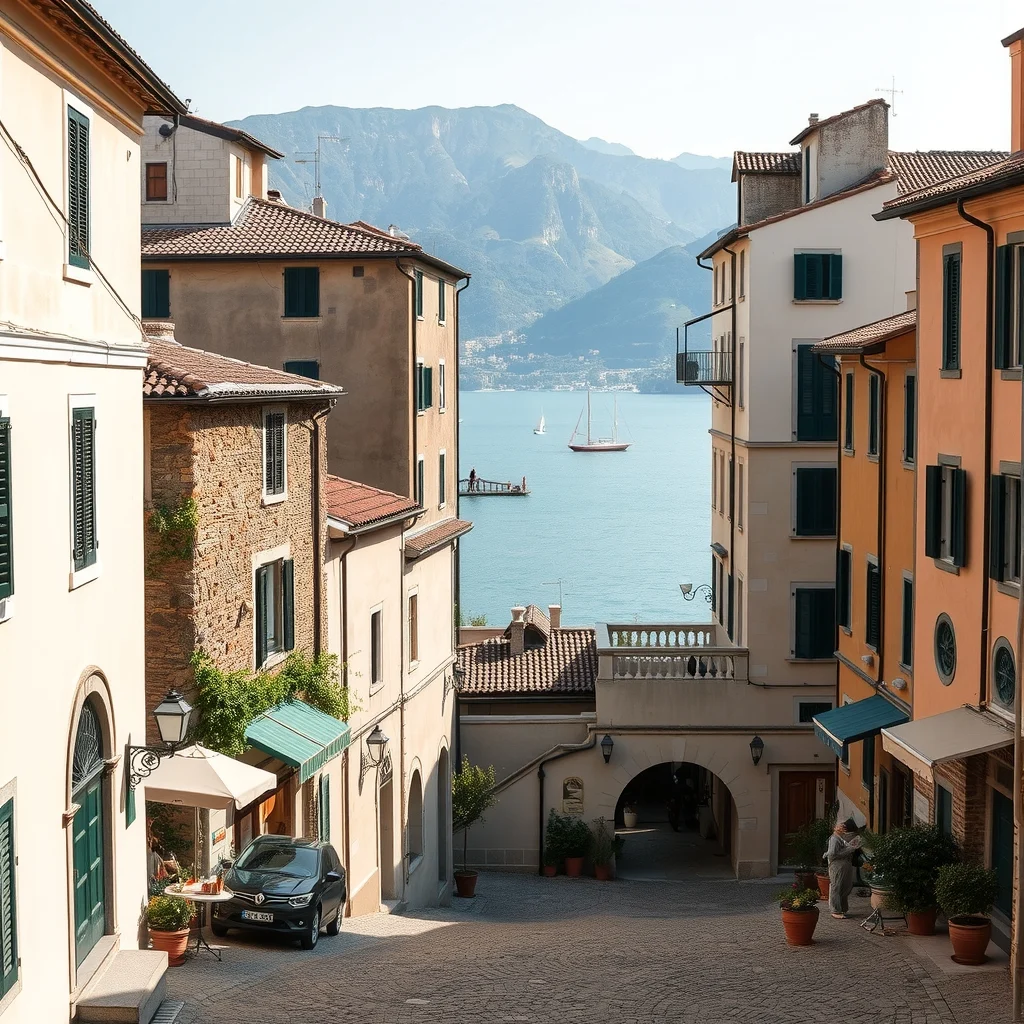
Lake Garda, Italy’s largest lake, spans three regions, Lombardy, Veneto and Trentino, giving it a genuinely varied character depending on which shore you settle on. It draws less of the celebrity mystique that surrounds Lake Como, which, for residents rather than tourists chasing that specific image, often translates into better value and a more grounded, year-round community.
Lake Garda’s Three-Region Character
Unlike Lake Como, which sits entirely within Lombardy, Garda’s shores span three distinct regions, each with its own administrative and cultural flavor. The western shore (Lombardy) includes towns like Desenzano and Sirmione; the eastern shore (Veneto) includes Bardolino and Lazise; the northern tip reaches into Trentino, with Riva del Garda offering a more mountainous, Alpine-influenced character than the softer landscape further south. This three-region span is genuinely unusual among Italy’s major lakes and gives Garda a variety of local character within a single lake that Como and Maggiore, each confined to a single region, simply can’t match.
Cost Comparison to Lake Como
Lake Garda generally offers meaningfully better value than Lake Como’s most sought-after towns, without the extreme premium that Cernobbio or parts of Bellagio command specifically due to celebrity association. Property and rental costs vary considerably by specific town and proximity to the water, but the overall market carries less of the international ultra-luxury premium that defines Como’s reputation, making Garda a genuinely more accessible option for buyers and renters seeking lake living without Como-level pricing. Current regional property price data is tracked by Immobiliare.it, one of Italy’s principal real estate portals.
Sirmione: The Most Famous, and Priciest, Garda Town
Sirmione, with its dramatic peninsula setting and Roman ruins, is Garda’s most internationally recognized town and commands a genuine premium accordingly, comparable in spirit, though not in scale, to how Bellagio functions on Lake Como. Buyers and renters specifically seeking value should generally look beyond Sirmione to the many other genuinely appealing towns around the lake’s wider shoreline. The town’s thermal spa tradition, drawing on naturally occurring hot springs, adds a further layer of tourism draw beyond its scenic setting alone, part of why its property and rental premium has proven so durable compared to more purely scenic Garda towns without a comparable additional attraction.
Desenzano del Garda: A Practical, Well-Connected Base
Desenzano offers a more practical, less purely tourist-driven character than Sirmione, combined with strong transport connectivity, a train station on the Milan-Venice line puts both major cities within reasonable reach, making it a genuinely appealing base for residents who want lake living without full isolation from Italy’s major urban centers. Desenzano also maintains a more substantial year-round population and commercial base than many smaller lake towns, meaning shops, services and daily amenities remain genuinely active even outside peak tourist season, a practical advantage worth weighing against the more purely scenic but seasonally quieter smaller towns around the lake.
Riva del Garda: Alpine Character at the Northern Tip
At Garda’s northern end, Riva del Garda offers a genuinely different character from the softer, more Mediterranean-feeling southern shore, dramatic mountain backdrops, a more Alpine climate and culture reflecting its Trentino location, and strong appeal for residents specifically drawn to outdoor recreation, hiking, cycling, watersports, alongside lake living. Trentino’s semi-autonomous regional status also brings some distinct local administrative and cultural characteristics compared to the Lombardy and Veneto shores further south, worth being aware of for anyone weighing Riva specifically against the lake’s other towns.
Transport and Connectivity
Garda benefits from strong road and rail connections given its position between Milan, Verona and Venice, and Verona’s airport provides reasonable international access without requiring residents to rely entirely on Milan’s larger, more distant airports. This central positioning, between three major cities, gives Garda residents genuinely practical connectivity that some more remote lake or coastal locations lack. Regional transport information for the Lombardy shore is available through Regione Lombardia, the regional government covering that part of the lake. Verona itself, with its own rich history and opera tradition, also offers Garda residents a genuine cultural anchor point within easy day-trip reach.
Seasonal Character: Busy Summers, Genuine Off-Season Quiet
Like most of Italy’s major lakes, Garda’s tourist economy is genuinely seasonal, with summer months bringing significant crowds, particularly around Sirmione and the most popular shoreline towns. Year-round residents generally describe the shoulder and winter seasons as offering a considerably calmer, more authentically local rhythm, worth understanding realistically before choosing a lake town based purely on a summer visit’s impression.
Read Also: Best Regions in Italy for Digital Nomads: Community, Cost and Connectivity
Frequently Asked Questions
Is Lake Garda cheaper than Lake Como?
Generally yes, particularly compared to Como’s most celebrity-associated towns. Garda’s broader market carries less of the ultra-luxury international premium that defines specific parts of Como.
Which Lake Garda town offers the best transport connectivity?
Desenzano del Garda, sitting on the Milan-Venice rail line, offers particularly strong connectivity to both major cities without requiring residents to give up lake living.
Is Lake Garda too touristy to live there year-round?
Tourist crowds concentrate heavily in summer months and around the most photographed towns like Sirmione. Year-round residents generally find the off-season and less-touristed shoreline towns offer a much quieter daily rhythm.
Which part of Lake Garda has the most different character from the rest?
Riva del Garda, at the northern tip in Trentino, offers a distinctly more Alpine, mountainous character compared to the softer, more Mediterranean-feeling southern and eastern shores.
Outdoor Recreation Around the Lake
Beyond swimming and boating, Garda has become a genuine hub for windsurfing and sailing, particularly around the northern end where consistent thermal winds create favorable conditions, alongside extensive cycling routes circling much of the shoreline and hiking access into the surrounding hills and mountains. This makes the lake a particularly strong fit for residents specifically prioritizing an active, outdoor-oriented lifestyle over purely scenic, passive lake living.
Choosing Your Specific Shore
Garda’s genuine regional variety, three different administrative regions, meaningfully different landscapes from the Alpine north to the softer south, means the “right” town depends heavily on which specific character appeals to you, mountain-adjacent outdoor recreation, practical urban connectivity, or classic lakeside charm, rather than any single answer applying to the whole lake uniformly.
%%SSILMASK16%%