Living in Verona: Cost, Community and Daily Life for Expats in 2026
Table of Contents
- What Verona Actually Costs
- Verona’s Genuine Cultural Depth
- A Manageable City Scale
- Transport: One of Northern Italy’s Best-Connected Cities
- Proximity to Lake Garda
- The Wine Country Connection
- Housing and Neighborhoods
- Business and Economic Character
- Daily Life and Community
- Frequently Asked Questions
- Is Verona cheaper than Venice and Milan?
- Is Verona well-connected to the rest of Italy and Europe?
- Does Verona have more to offer than its Romeo and Juliet association?
- Considering Verona as a Genuine Alternative
Verona lives partly in Romeo and Juliet’s shadow, and partly in Venice’s, sitting close enough to Italy’s most famous canal city to be treated as a day-trip footnote by some visitors. For residents rather than tourists, Verona deserves to be evaluated entirely on its own considerable merits: genuine elegance, strong connectivity, and meaningfully lower costs than either Venice or Milan.
What Verona Actually Costs
Verona prices meaningfully below Milan and below Venice’s tourist-inflated core specifically, while still offering a genuinely major northern Italian city’s range of culture, services and connectivity, according to regional cost comparisons tracked by Idealista, one of Italy’s principal property portals. A single professional can expect a comfortable monthly budget in the range of EUR 1,600-2,400, depending on lifestyle and specific neighborhood, a genuine value proposition relative to what the same budget would secure in either of its two more famous neighbors.
Verona’s Genuine Cultural Depth
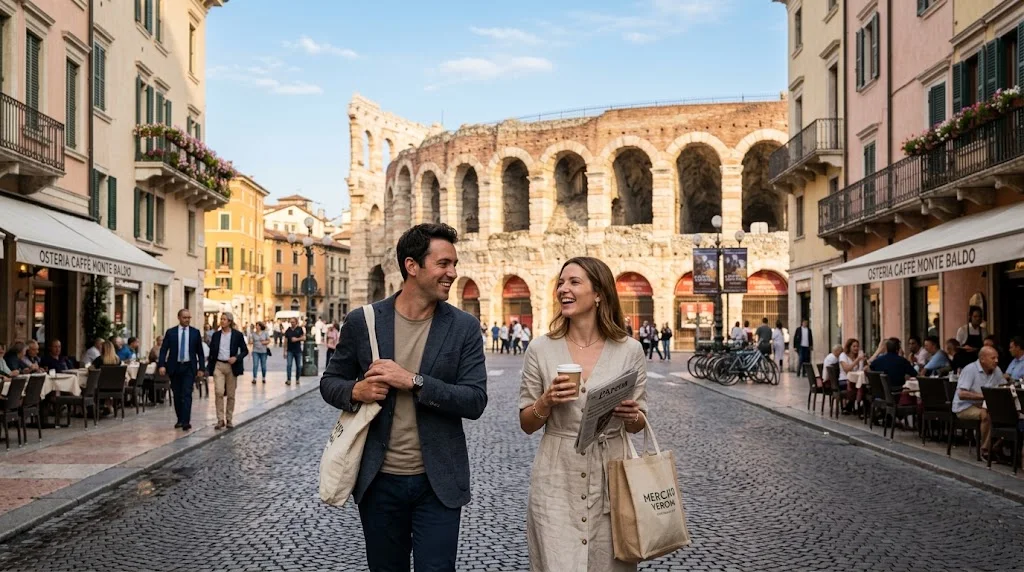
Beyond its Shakespearean association, Verona holds a genuinely well-preserved Roman arena still used for opera performances today, one of the best-preserved structures of its kind anywhere in the world, alongside a substantial historic center with real architectural depth spanning Roman, medieval and Renaissance periods. This gives residents a genuinely rich cultural backdrop to daily life, not simply a single famous balcony most visitors associate with the city. The arena’s summer opera season draws a genuinely international audience each year, giving residents regular access to world-class performances within easy walking distance of the historic center, a cultural amenity that few cities of Verona’s size can match anywhere in Europe.
A Manageable City Scale
Verona’s population sits comfortably in the range that allows genuine walkability and a real sense of neighborhood community, considerably smaller and more navigable than Milan while still offering meaningfully more infrastructure and services than a small town. This middle scale is precisely what draws many newcomers specifically weighing a full range of Italian city options, large enough for genuine urban amenities, small enough to avoid the daily friction that comes with a truly major metropolitan center.
Transport: One of Northern Italy’s Best-Connected Cities
Verona sits on major rail lines connecting Milan, Venice, and destinations further north into Austria and Germany, alongside its own international airport offering direct connections beyond Italy. This central positioning, roughly equidistant from Milan and Venice while avoiding both cities’ cost premiums, gives Verona residents genuinely practical access to both major hubs without needing to actually live in either.
Proximity to Lake Garda
Verona sits a short drive from Lake Garda, Italy’s largest lake, giving residents genuine, easy access to lake recreation, dining and scenery without needing to live directly on the lakeshore itself, where property carries a real premium. This proximity is a genuine lifestyle advantage that neither Milan nor Venice offers in quite the same accessible way.
The Wine Country Connection
Verona sits at the heart of Veneto’s wine country, including Valpolicella and Soave, both renowned wine-producing areas within easy reach of the city. For residents with any interest in wine culture specifically, this proximity offers genuine, regular access to producers and wine tourism that few other Italian cities can match as conveniently.
Housing and Neighborhoods
Verona’s historic center offers genuine old-world charm at a real premium, while neighborhoods just outside the center provide considerably more space and value while remaining walkable or a short transit ride from the city’s core amenities. This gives newcomers a genuine range of options depending on whether historic-center living or practical space and value matter more to their specific priorities. Families in particular often gravitate toward the residential districts just beyond the historic core, where larger apartments and easier parking come without sacrificing meaningful proximity to schools, parks and the city’s main amenities.
Business and Economic Character
Verona maintains a genuinely diverse local economy beyond tourism, including logistics (given its strategic transport position), agriculture and food production, and a meaningful trade fair and exhibition industry, giving the city a more substantive local job market than a purely tourism-dependent economy would provide. Veronafiere, the city’s major exhibition center, hosts internationally recognized trade fairs throughout the year covering everything from wine to agriculture, drawing a steady stream of business travelers and giving the local economy a genuine professional dimension that purely tourist-driven Italian cities often lack.
Daily Life and Community
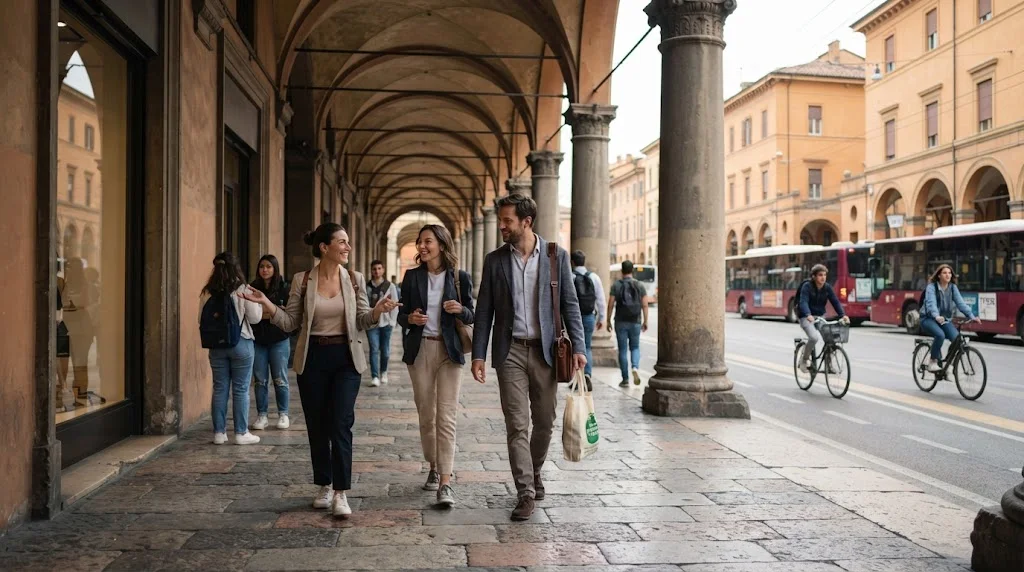
Verona’s daily rhythm balances genuine Italian tradition, morning markets, evening aperitivo culture along the piazzas, with a practical, business-minded undercurrent that reflects the broader Veneto region’s reputation for productivity. Newcomers generally find the local community welcoming without being overwhelming, a city genuinely large enough to offer real anonymity when wanted, small enough to build a real sense of neighborhood familiarity over time. Expat groups and language exchange meetups have grown steadily in recent years as more foreign professionals and remote workers discover the city, giving newcomers a genuine, practical starting point for building a local social circle beyond the workplace.
Read Also: Basilicata’s 7% Flat Tax Towns: Matera’s Neighbors Now Eligible in 2026
Frequently Asked Questions
Is Verona cheaper than Venice and Milan?
Yes, meaningfully so, particularly compared to Venice’s tourist-inflated historic core and Milan’s overall premium cost of living, while still offering genuine major-city infrastructure and culture.
Is Verona well-connected to the rest of Italy and Europe?
Yes, genuinely one of northern Italy’s best-connected mid-sized cities, sitting on major rail lines toward Milan, Venice, Austria and Germany, with its own international airport.
Does Verona have more to offer than its Romeo and Juliet association?
Considerably more, including a genuinely well-preserved Roman arena still hosting opera, a substantial historic center, and proximity to both Lake Garda and Veneto’s renowned wine country.
Considering Verona as a Genuine Alternative
For anyone drawn to northern Italian city living, culture, connectivity, elegance, but hesitant about Milan’s cost or Venice’s tourist intensity and logistical quirks, Verona deserves serious consideration as a well-rounded, genuinely livable alternative rather than a secondary stop on someone else’s itinerary. Current regional cost comparisons and property data are tracked through Istat, Italy’s national statistics agency, useful for confirming how Verona’s actual numbers compare against its more famous neighbors before making a final decision.
%%SSILMASK16%%