Grocery Shopping in Italy: Markets, Supermarkets and Seasonal Produce
Table of Contents
- Weekly Markets: A Genuine Local Institution
- Supermarkets: The Modern Daily Option
- Small Specialty Shops: Still Genuinely Relevant
- Seasonal Produce: A Real Cultural Norm, Not Just a Preference
- Shopping Frequency: Smaller, More Frequent Trips
- Practical Shopping Etiquette
- Cost Considerations
- Frequently Asked Questions
- Are weekly markets actually cheaper than supermarkets?
- Do I need to bring my own shopping bags?
- Is it true that produce in Italy is more seasonal than in the US or UK?
- Settling Into Italian Grocery Shopping Habits
Grocery shopping in Italy involves genuinely different daily habits than many newcomers are used to, smaller, more frequent shopping trips, strong seasonal produce norms, and a real mix between traditional markets and modern supermarkets that varies meaningfully by town and region, a combination worth understanding before assuming your shopping habits from home will transfer directly without any real adjustment period.
Weekly Markets: A Genuine Local Institution
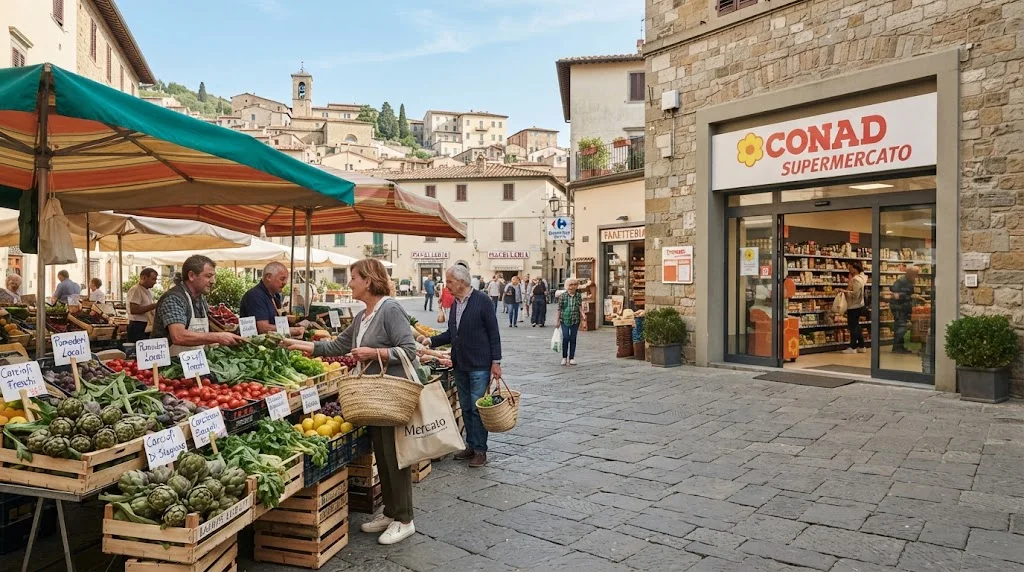
Most Italian towns, even relatively small ones, host a weekly outdoor market, mercato, typically running one or two mornings a week, offering fresh produce, meat, cheese, and often household goods directly from local producers and vendors. These markets remain a genuine, actively used part of daily life for many residents, not simply a tourist attraction, and often offer meaningfully fresher produce and better prices than supermarket equivalents. Regional statistics on market and small-retail activity are tracked through Istat, Italy’s national statistics agency, confirming these markets remain a genuinely significant part of national retail activity rather than a fading tradition slowly being replaced.
Supermarkets: The Modern Daily Option
Standard supermarket chains, Coop, Conad, Esselunga and Carrefour among the most widespread, provide the convenient, familiar grocery shopping experience most newcomers expect, though selection and store size vary considerably by town, with smaller towns often having only a modest local supermarket rather than a full large-format store. Some chains also carry meaningfully different product ranges by region, reflecting genuine local sourcing relationships and regional taste preferences rather than a single uniform national inventory available identically everywhere.
Small Specialty Shops: Still Genuinely Relevant
Despite supermarket growth, small specialty shops, the macelleria (butcher), panetteria (bakery), and alimentari (general grocer), remain genuinely active in most Italian towns, often offering higher quality and more personalized service for specific categories than a supermarket equivalent, and many residents maintain a genuine mixed shopping pattern across all these options rather than relying on any single source. Building a relationship with a local butcher or baker over time often yields genuinely better cuts, fresher bread, and useful recommendations that a supermarket simply can’t replicate, and this kind of ongoing rapport is itself part of settling genuinely into a new town.
Seasonal Produce: A Real Cultural Norm, Not Just a Preference
Italian grocery shopping culture places genuine, active emphasis on seasonal produce, buying what’s actually in season locally rather than expecting year-round availability of every fruit and vegetable regardless of season. This isn’t simply a stated preference, it’s reflected in what’s actually available and reasonably priced at markets and even supermarkets throughout the year, and newcomers adjust their expectations and cooking accordingly fairly quickly, often finding this shift genuinely improves both the quality and the enjoyment of everyday meals over time.
Shopping Frequency: Smaller, More Frequent Trips
Many Italian households shop more frequently in smaller quantities than the large weekly or biweekly shopping trips common in the US or UK, partly reflecting smaller typical refrigerator and storage space, and partly reflecting the cultural emphasis on genuinely fresh ingredients purchased close to when they’ll actually be used. Newcomers accustomed to a large weekly stock-up often find this shift takes a few months to feel natural, but many eventually come to genuinely prefer it once fresh, local shopping becomes routine and second nature.
Practical Shopping Etiquette
- Bring your own bags, plastic bags are often charged separately or unavailable at many stores and markets.
- Weigh your own produce at many supermarkets using in-aisle scales before reaching checkout, a system that surprises newcomers unfamiliar with it.
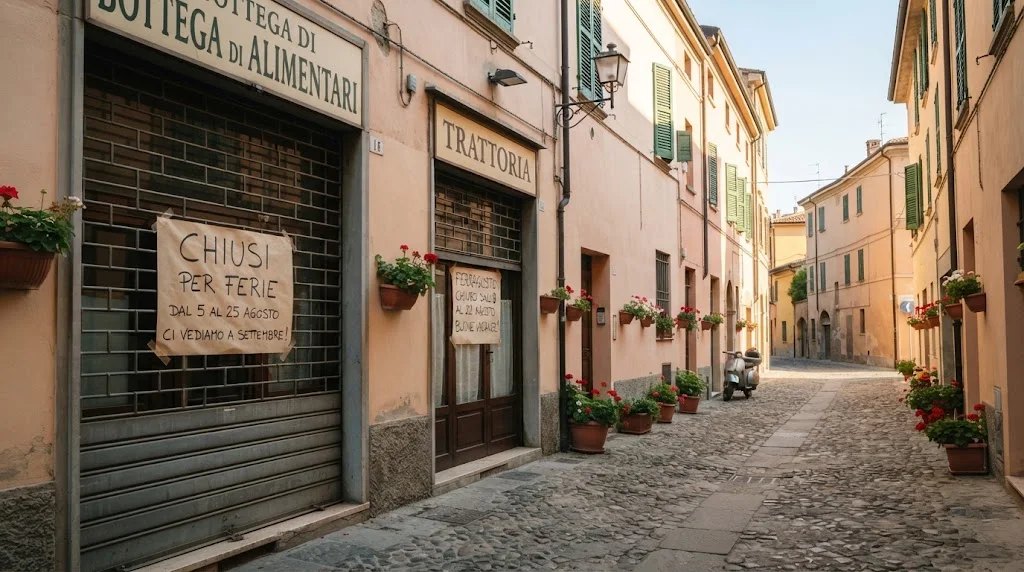
- Respect closing hours and lunch breaks, particularly for smaller specialty shops, which often close for a midday break in smaller towns.
- Learn basic Italian food vocabulary, since smaller shops and market vendors, especially in less touristic towns, may not speak much English.
None of these adjustments is difficult in isolation, but together they represent a genuinely different daily rhythm worth learning deliberately rather than through repeated small frustrations at the checkout counter.
Cost Considerations
Grocery costs vary meaningfully by region and shopping venue, generally lower in southern regions and at local markets compared to supermarket chains, particularly for seasonal produce bought directly from producers rather than through a longer supply chain. Households specifically prioritizing budget efficiency often find a genuine mix of market shopping for produce and supermarket shopping for packaged goods strikes the best overall balance between cost, convenience and quality across a typical week.
Read Also: Public Transport in Italy: Trains, Buses and Getting Around Without a Car
Frequently Asked Questions
Are weekly markets actually cheaper than supermarkets?
Often yes, particularly for seasonal produce bought directly from local producers, though quality and pricing can vary by specific market and vendor, worth comparing directly in your own town over a few weeks of shopping before settling into a routine. Many residents find that a mix of both, market for fresh produce and meat, supermarket for pantry staples, ends up being the most practical and cost-effective overall approach once the initial adjustment period passes.
Do I need to bring my own shopping bags?
Generally yes, plastic bags are frequently charged separately or simply unavailable at many Italian grocery stores and markets, so bringing reusable cloth bags is standard practice worth adopting quickly after arrival.
Is it true that produce in Italy is more seasonal than in the US or UK?
Yes, genuinely, Italian grocery culture places real emphasis on seasonal availability rather than year-round access to every item regardless of season, and this shows up clearly and consistently in both pricing and what’s actually stocked at any given time of year.
Settling Into Italian Grocery Shopping Habits
Give yourself time to adjust to smaller, more frequent shopping trips and genuinely seasonal produce availability, and don’t hesitate to mix markets, supermarkets and specialty shops the way most Italian households actually do rather than picking just one option out of habit from home. General consumer guidance on food labeling and seasonal sourcing standards is available through Ministero della Salute, Italy’s health ministry, useful background for anyone wanting to understand the regulatory side of what’s on Italian shelves and how freshness and origin labeling actually works.